






Carrying your baby may feel like the biggest part of becoming a mum, but don't forget that the time after birth deserves attention too. After giving birth, many mothers experience what are known as "postpartum conditions". Each mother may have different symptoms, or similar ones. Giving birth is extremely exhausting, both physically and emotionally, so it takes time to recover. In this article, ABC the Baby walks mums-to-be and new mums through the conditions that can occur after birth, so you can cope with them and recover as quickly as possible. Let's take a look.
Recommended: A big worry! Can mums with inverted nipples breastfeed, or does the baby need to stop?
- What are postpartum conditions?
- Physical conditions
- Emotional conditions
- Caring for mothers after giving birth
What are postpartum conditions?
"Postpartum conditions" are symptoms that occur after a mother gives birth, involving changes to both the body and the mind as the hormones "oestrogen" and "progesterone" drop. So new mums going through this should understand the conditions that can follow childbirth and prepare to deal with them.
Recommended: What can mums eat after a C-section, what should they avoid, and which rules should they know?
What are the common postpartum conditions?
1. Urinary incontinence
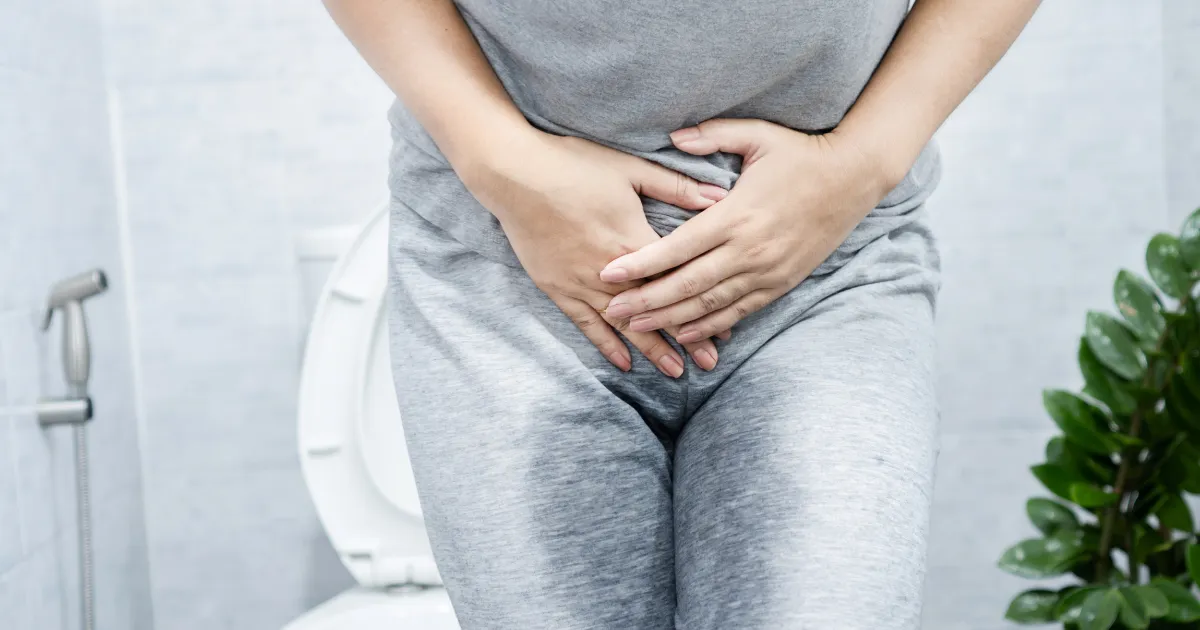
Giving birth can stretch the "pelvic floor muscles", so when you cough, sneeze or laugh, more urine than usual may leak out. This is common after birth (Source: NHS). Difficulty holding in urine usually improves gradually over several weeks to several months. While waiting for your body to return to normal, you can wear sanitary pads during recovery, and you should do pelvic floor (Kegel) exercises every day. See how in postpartum exercises. If it does not improve, tell your doctor at your postnatal check-up.
2. Postpartum hair loss
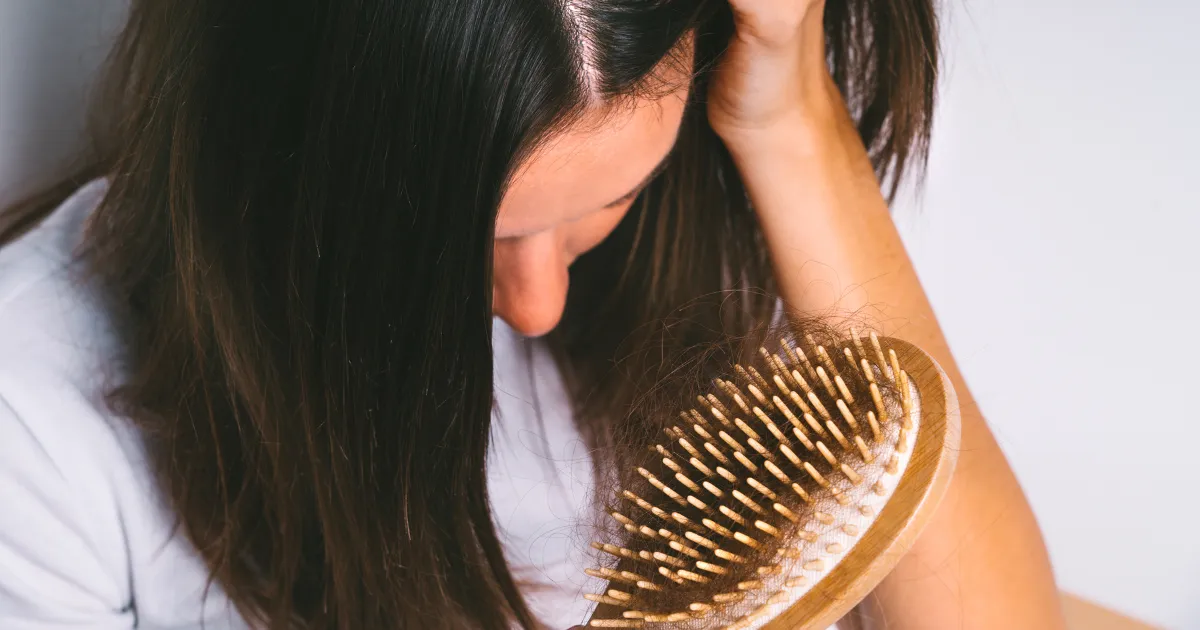
During pregnancy, hormone levels rise, which increases the rate at which "hair" grows, so mums often seem to have thicker hair while pregnant. After giving birth, hormone levels change, causing more hair loss than usual. But don't panic! Postpartum hair loss is not dangerous or abnormal in any way. It generally goes away within about 6–12 months. Avoid brushing your hair too often, and eat enough iron-rich foods, green leafy vegetables and seafood containing zinc to help new hair grow.
3. Stretch marks
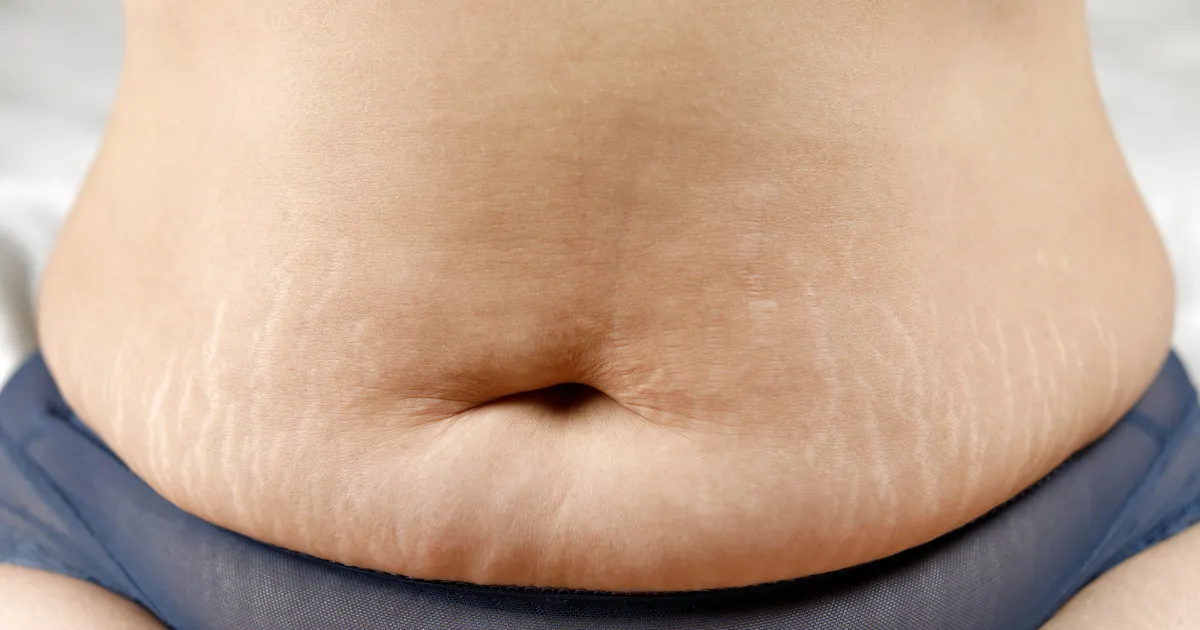
Most mothers have streaky marks on their skin after giving birth, red or pink depending on their skin. These marks may not disappear completely, but they gradually fade to white or silver over time. Using a body cream keeps the skin moisturised and may help the marks look a little lighter. Choose products registered with the Thai FDA (with a notification number), and if you are breastfeeding, consult a doctor before using creams that contain medication. Read more in how to treat stretch marks after giving birth
4. Lochia (postpartum discharge)
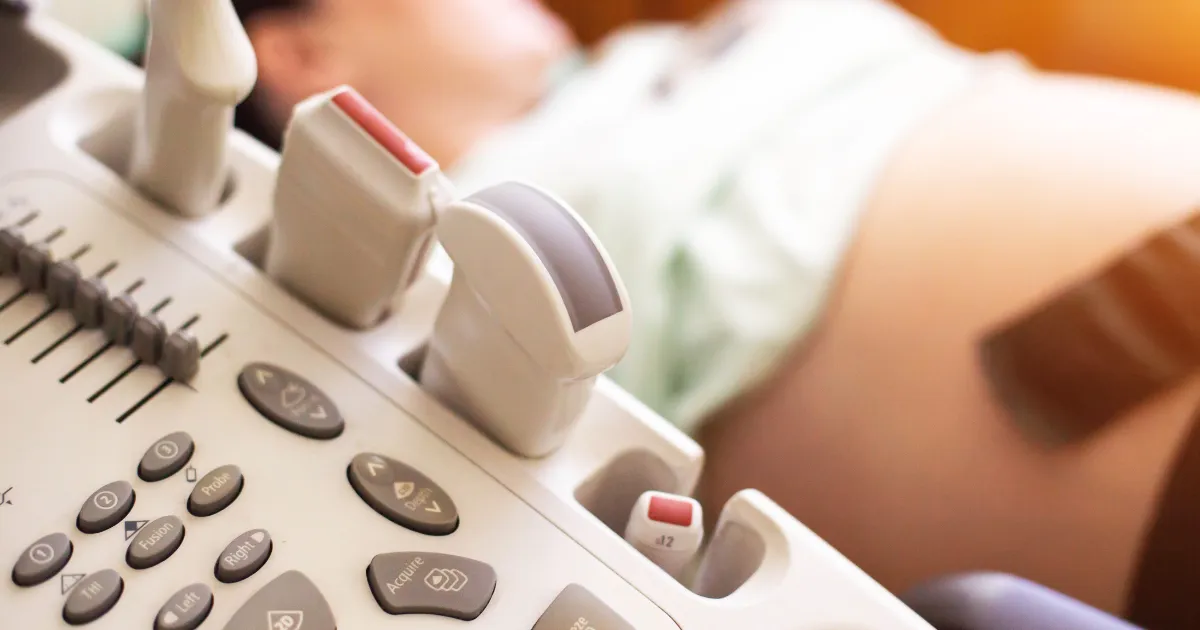
"Lochia" is the tissue and blood that flows out of the uterus after birth, caused by the placenta separating, which is why lochia is expelled. Normally there is more in the first 3–4 days after birth. Lochia starts out red and then gradually fades to pink, brown and pale yellow, usually continuing for several weeks. New mums should be prepared by wearing sanitary pads (not tampons).
Warning: See a doctor promptly if bleeding soaks through a pad within one hour, you pass large blood clots, the lochia has an unusually bad smell, or you have a fever or severe lower abdominal pain, as these may be signs of postpartum haemorrhage or infection. In an emergency, call 1669 (Thailand's emergency medical number).
5. A loose tummy and a uterus that has not yet returned to normal
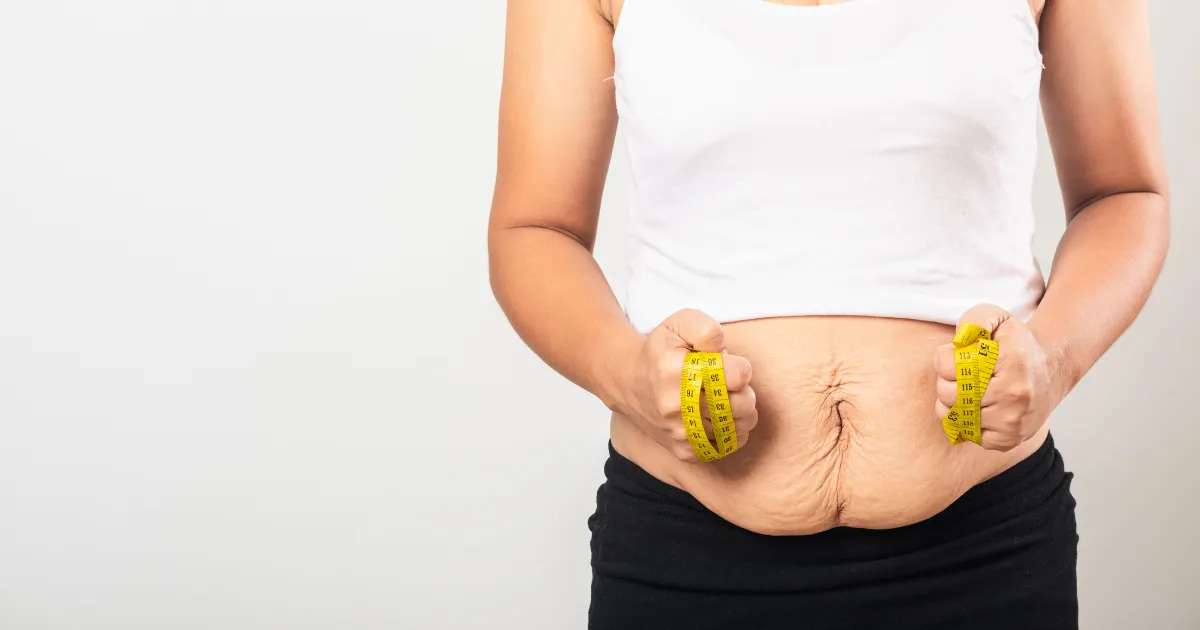
During pregnancy, the abdominal muscles and skin stretch along with the uterus, so your tummy still looks rounded after birth. The uterus gradually shrinks back to its original size (involution of the uterus), which takes about 6 weeks. Breastfeeding helps the uterus contract better. As for the abdominal muscles, if you gradually exercise regularly, they may regain strength close to what they were before.
This is different from the medical condition "uterine prolapse", in which the uterus moves down into the vagina. If you feel heaviness or dragging in the vagina, feel a lump protruding, or have difficulty urinating, see a doctor.
6. Postpartum depression

Postpartum depression occurs in the first year after giving birth. Mothers often feel anxious, become irritable more easily than usual and have trouble sleeping. In severe cases, they may cry or even think about harming themselves. It needs treatment from a doctor, which may include talking therapy with a psychiatrist or psychologist, and some mothers may need medication prescribed by a doctor, together with caring support from the family, which is very important.
Warning: If you have thoughts of harming yourself or your baby, see a doctor immediately or call the Thai mental health hotline 1323, available 24 hours. In an emergency, call 1669.
7. Baby blues
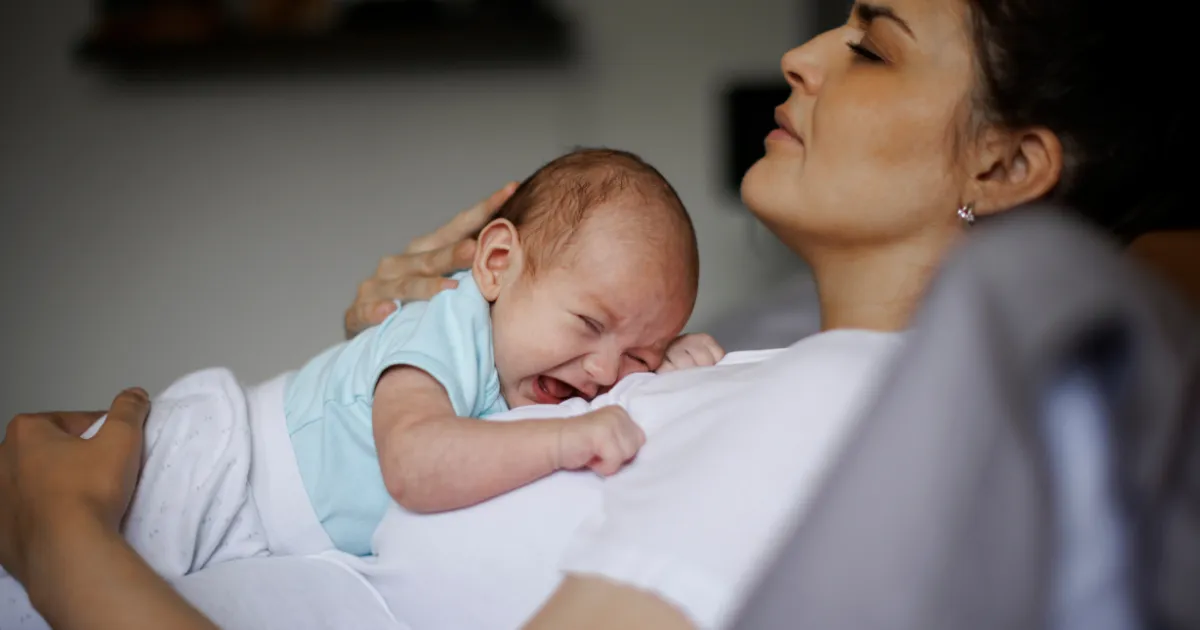
The baby blues, or postpartum blues, are caused by hormonal changes in the body and usually come after a mother gives birth. Symptoms include sadness, feeling upset and mood swings. They usually start in the first few days after birth and often go away on their own within 2 weeks (Source: NHS). If symptoms last more than 2 weeks or get worse, it may be postpartum depression and you should consult a doctor. Encouragement from the people around you can help the baby blues get better.
Recommended: How mums can cope with postpartum depression
Caring for mothers after giving birth
Physical care
- Because of the "lochia" discharge, mums should wear sanitary pads and keep everything very clean.
- Mothers should avoid sex for about 4–6 weeks after giving birth.
- Eat a balanced diet covering all 5 food groups and avoid alcoholic drinks.
- Go to your postnatal check-up as scheduled (around 6 weeks) so the doctor can assess your physical and emotional recovery.
Emotional care
- When it comes to a new mother's emotional wellbeing, what helps most is care and attention from the people around her, along with their words of encouragement.
Summary
Postpartum conditions are something many mums-to-be worry about. Having read this far, you now know there are both physical and emotional conditions. New mums, don't worry: simply knowing about the conditions that can follow childbirth and preparing for them will help you get through this period well. You can read more parenting tips here.