






Recommended: What Foods Should You Avoid in Early Pregnancy?
Foods to Eat During Pregnancy for Healthy Weight Management
Pregnancy is an important time to care for your health and your baby's health. First, understand that "weight management" during pregnancy means gaining an appropriate amount of weight based on your doctor's assessment of your pre-pregnancy weight. NHS clearly states that pregnancy is not a time to fast or try to lose weight, as this may harm your unborn baby.
Here are some principles for choosing foods to support appropriate weight gain.
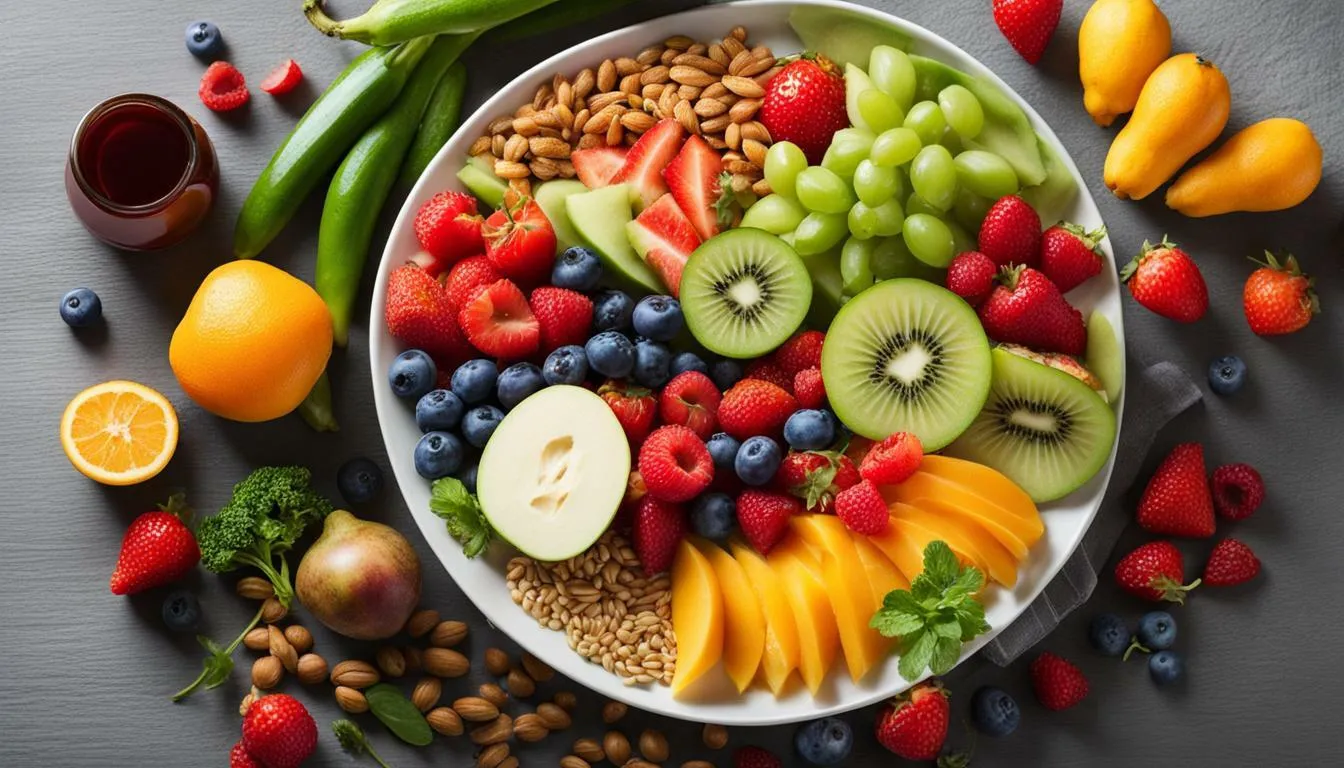
- Colorful vegetables, such as Chinese cabbage, lettuce, Chinese kale, broccoli and carrots, should fill about half your plate at each meal.
- Eat fresh fruit, such as oranges, guava, papaya, apples and bananas, instead of sweets.
- Choose thoroughly cooked lean protein, such as skinless chicken breast, fish, eggs, tofu and beans.
- Choose whole grains and starchy foods, such as brown rice, Riceberry rice and whole-wheat bread, which are high in fiber and help you stay full longer.
- Choose low-fat milk or yogurt for calcium.
Limit fried foods, sweets, sugary drinks and high-sodium processed or pickled foods. Choose boiling, steaming, baking or grilling.
Consult a doctor or dietitian to plan meals suited to your weight and health, especially if you have gestational diabetes or high blood pressure.
Recommended: What Can You Eat During Pregnancy for a Fair-Skinned Baby? 5 Skin-Nourishing Foods That Won't Disappoint
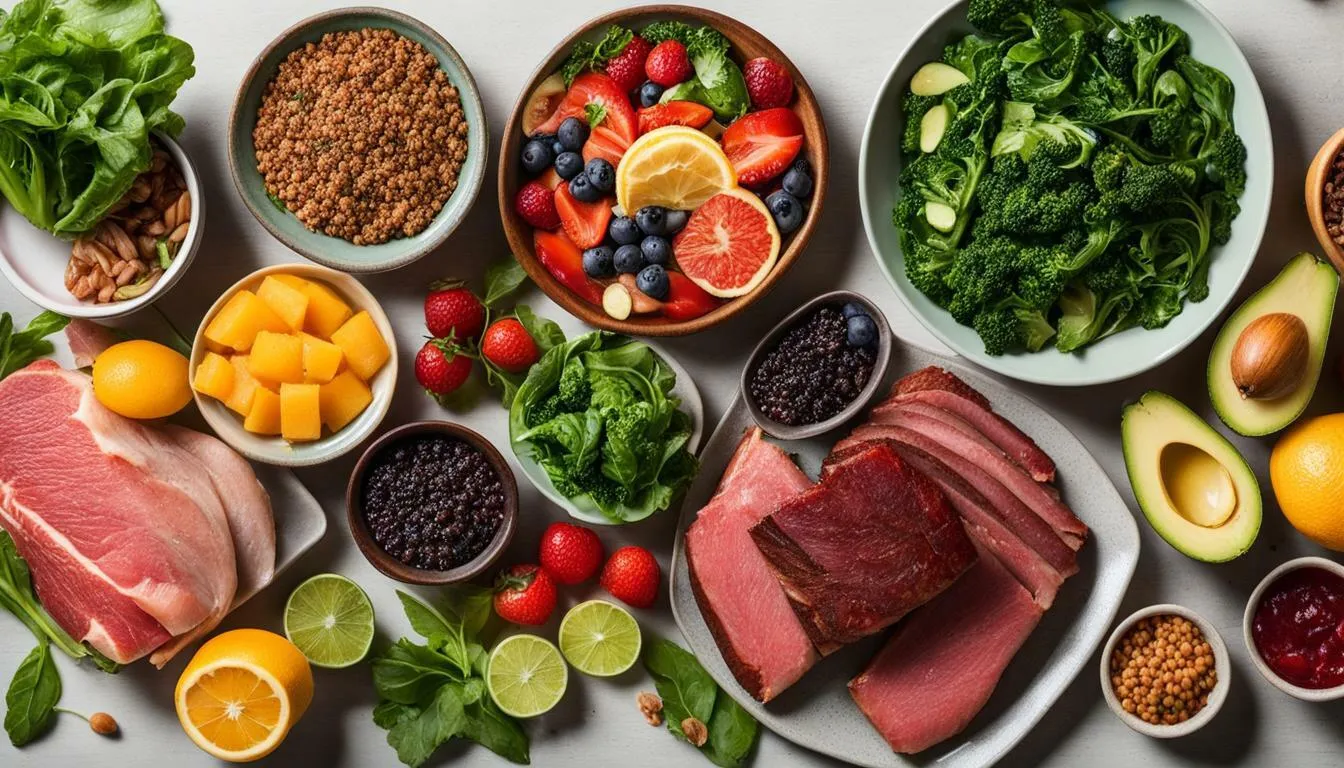
Weight management during pregnancy differs from person to person, but simple everyday principles include eating all five food groups at every meal, having smaller, more frequent meals if you feel nauseated or full quickly, and avoiding eating twice as much to "eat for two." The right amount depends on your stage of pregnancy, weight and activity level, so ask a doctor or dietitian to help determine your needs.
| Food Group | Eating Guidelines |
|---|---|
| Rice and Starchy Foods | Eat moderate portions at every meal and choose whole-grain options. |
| Meat, Eggs and Beans | Include protein at every meal, choosing lean options and cooking them thoroughly. |
| Vegetables | Fill about half your plate at each meal with a variety of colors. |
| Fresh Fruit | Eat daily instead of sweets. |
| Low-Fat Milk | Helps provide calcium, as recommended by your doctor. |
Main Meal Ideas with Appropriate Energy
Your body needs energy and nutrients to support your baby's growth. The following meals provide protein, fiber and vitamins without using much oil.
Meal 1: Clear Soup with Egg Tofu, Minced Pork and Chinese Cabbage
Tofu and minced pork provide protein, while Chinese cabbage provides fiber. Clear soup also contributes fluid and helps you feel full. Season lightly and avoid making it too salty.
Meal 2: Cabbage Stir-Fried with Chicken Breast Using Little Oil
Cabbage contains vitamin C and fiber that support bowel movements and help relieve constipation, which is common during pregnancy. Skinless chicken breast is high in protein and low in fat.
Meal 3: Brown Rice with Lime-Steamed Fish and Blanched Vegetables
Brown rice provides fiber and helps you stay full longer. Steamed fish provides high-quality protein. Steam it until thoroughly cooked, and keep the sauce mild and less salty.
Remember to eat a variety of foods and drink enough clean water, alongside gentle exercise approved by your doctor, to support your health and your baby's health.
Low-Calorie Pregnancy Snacks That Keep You Full
It is common to feel hungry between meals during pregnancy. Having healthy snacks ready can help you eat fewer sweets.
| Snack | Benefits |
|---|---|
| Low-fat yogurt with fruit | Protein and calcium |
| Carrot or cucumber sticks | Fiber, vitamins and minerals |
| Hard-boiled eggs | High-quality protein that helps you stay full longer |
| 1 small handful of unsalted roasted nuts | Healthy fats and fiber (avoid eating too many, as they are high in calories) |
Here are examples of ingredients and meals suitable for pregnant women aiming for appropriate weight gain. Read more about fruits for a healthy pregnancy and fruits to avoid during pregnancy.
1. Banana Meal Ideas
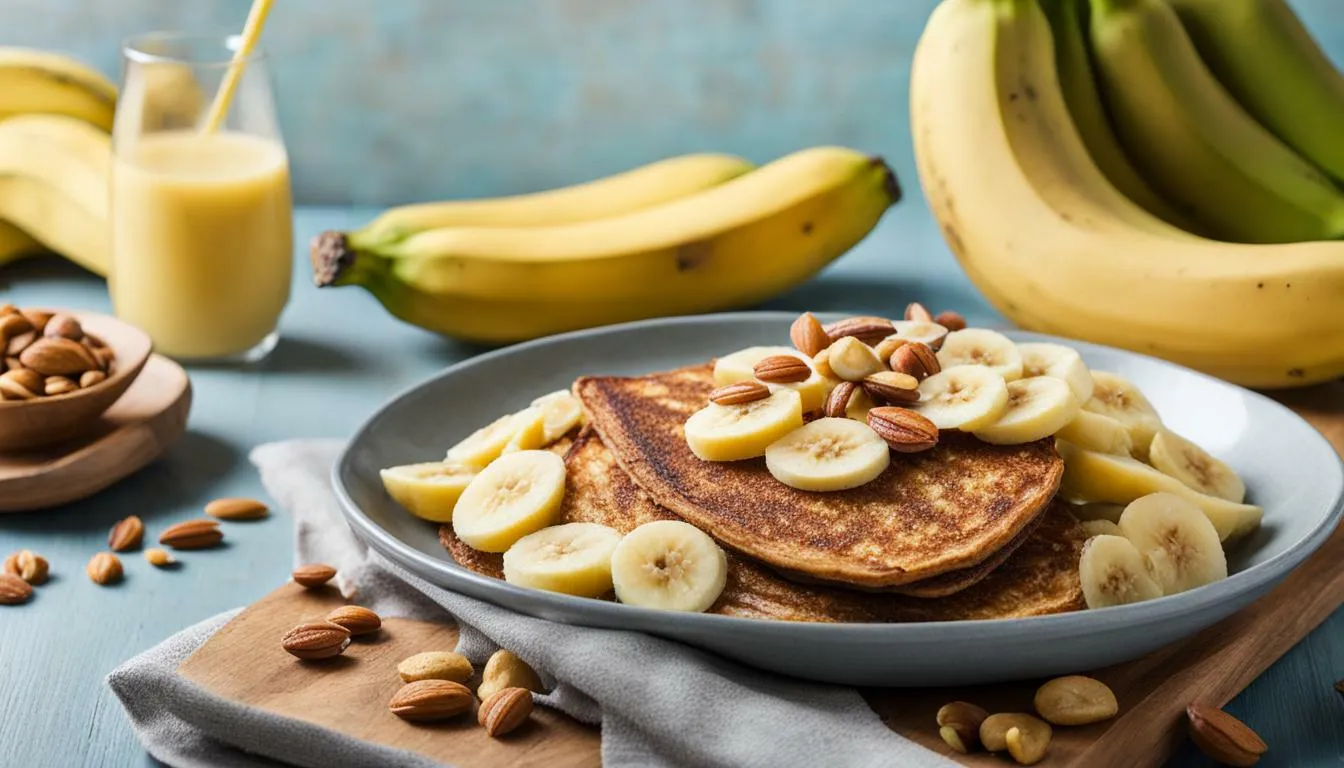
Bananas are easy to find and eat, providing carbohydrates, fiber and potassium. They make a good snack in place of sweets. However, very ripe bananas are relatively high in sugar, so have 1 medium banana or 1–2 small bananas at a time. If you have gestational diabetes, consult your doctor about portion sizes.
| Dish | Ingredients |
|---|---|
| Banana and mixed green salad | Sliced banana, salad greens, a light dressing or lime juice, and a small sprinkling of nuts |
| Banana with low-fat yogurt | Sliced banana and plain low-fat yogurt |
| Banana and milk smoothie with no added sugar | Banana, plain low-fat milk and ice |
You can eat bananas on their own or use them in simple dishes, but vary the fruits you eat from day to day.
2. Avocado Meal Ideas
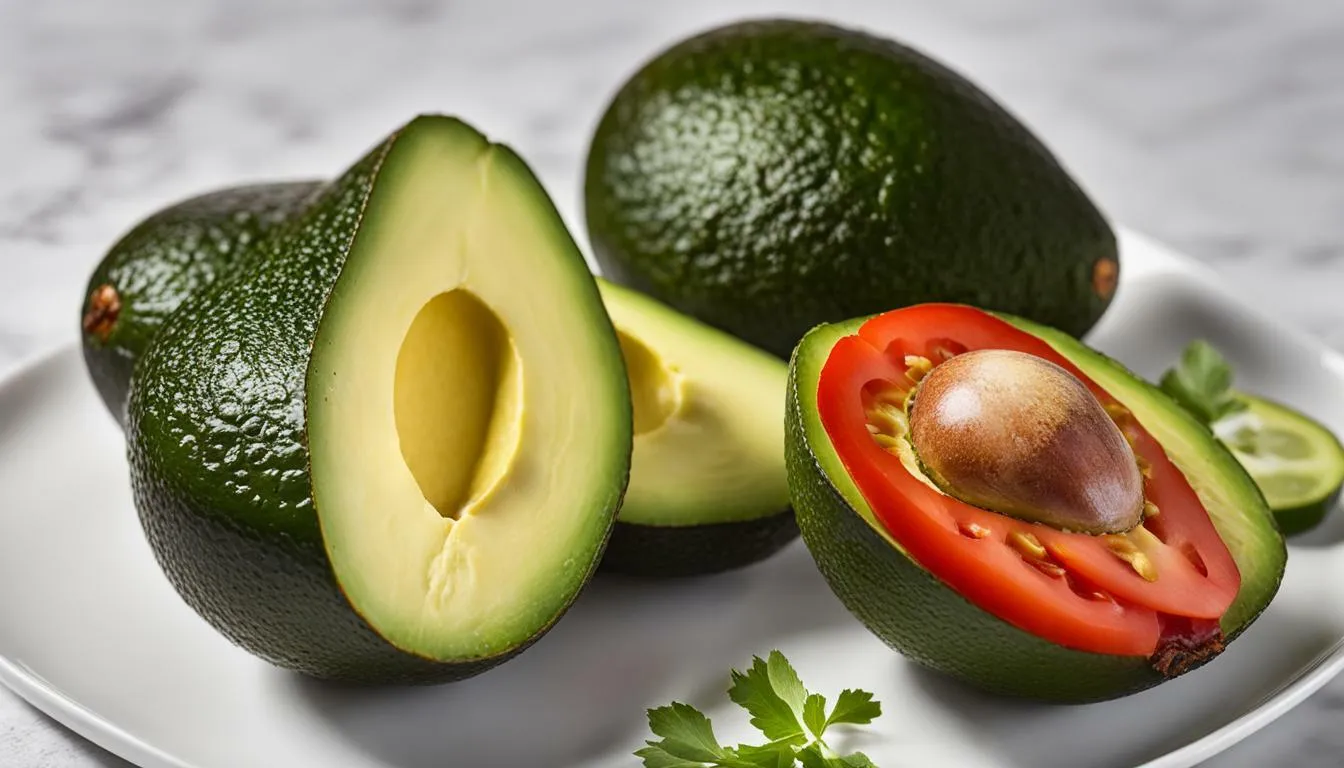
Avocado contains unsaturated fats, which are healthy fats, as well as fiber, folate and potassium. It helps you stay full longer but is relatively high in calories. Pregnant women managing their weight should therefore eat moderate portions, such as about half a small avocado at a time.
Try adding sliced avocado to a vegetable salad, spreading it on whole-wheat bread instead of butter or mayonnaise, or eating it with a hard-boiled egg to get both healthy fats and protein.
For omega-3 fatty acids, which are important for your baby's brain, better sources include fish such as short mackerel and cooked salmon, as in the following meal ideas.
3. Cooked Fish and Seafood Meals
Fish provides lean protein and omega-3 fatty acids, which are important for your baby's brain and vision development. ACOG recommends eating low-mercury fish or seafood 2–3 times a week during pregnancy.
- Fish steamed with lime or soy sauce: Use white fish such as sea bass or tilapia and steam until thoroughly cooked.
- Clear tom yum fish soup: Provides protein and herbs; keep the seasoning mild.
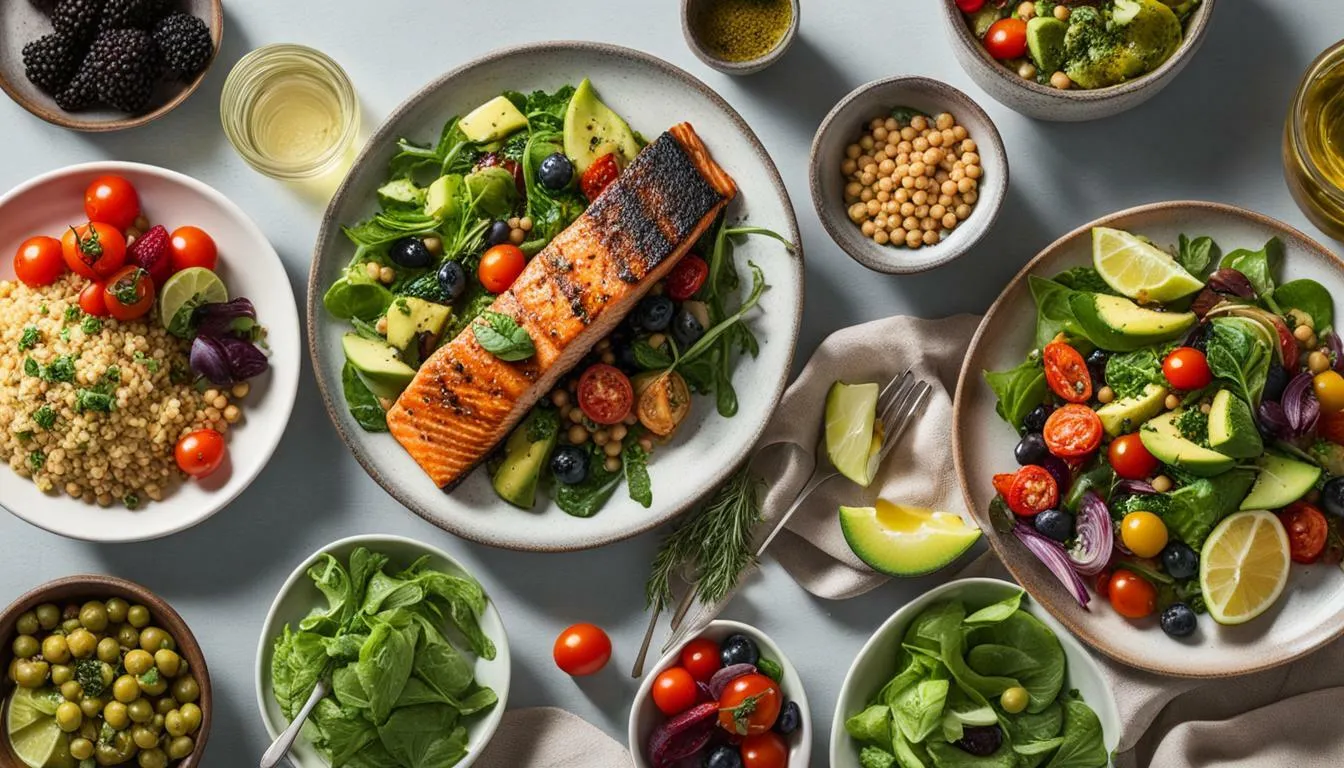
- Baked salmon with roasted vegetables: Use little oil and bake until the fish is thoroughly cooked.
Precautions: Pregnant women should avoid raw or partially cooked fish and seafood, such as sashimi, raw shrimp in fish sauce and raw shellfish, as well as high-mercury fish such as shark, swordfish and large king mackerel. (Read more: Foods to Avoid During Pregnancy)
4. Boiled, Baked or Grilled Chicken Meals (Instead of Fried Chicken)
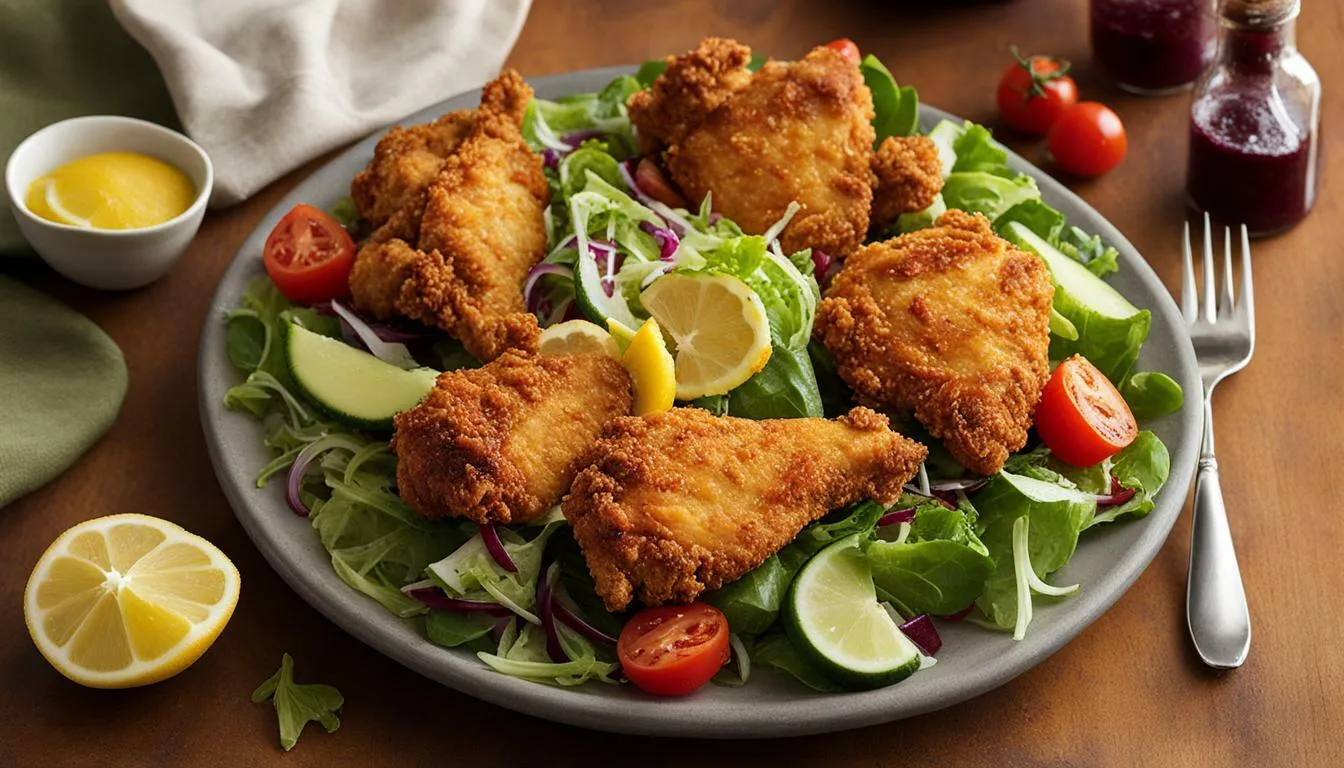
Chicken provides protein that helps build your baby's tissues and organs. However, "fried chicken" is not suitable for pregnant women managing their weight because it absorbs oil, making it high in fat and calories, while the batter adds more calories. Choose cooking methods that use less oil instead.
| Alternative Meal | Benefits for Weight Management During Pregnancy |
|---|---|
| Shredded boiled chicken breast with vegetable salad | High in protein and low in fat |
| Herb-baked chicken (skin removed) | Adds flavor without using much oil |
| Grilled chicken with brown rice and blanched vegetables | Provides protein, fiber and vitamins |
Whatever cooking method you use, cook chicken thoroughly with no pink remaining to help prevent foodborne illness.
5. Fresh and Blanched Vegetable Dishes (Instead of Pickled Vegetables)
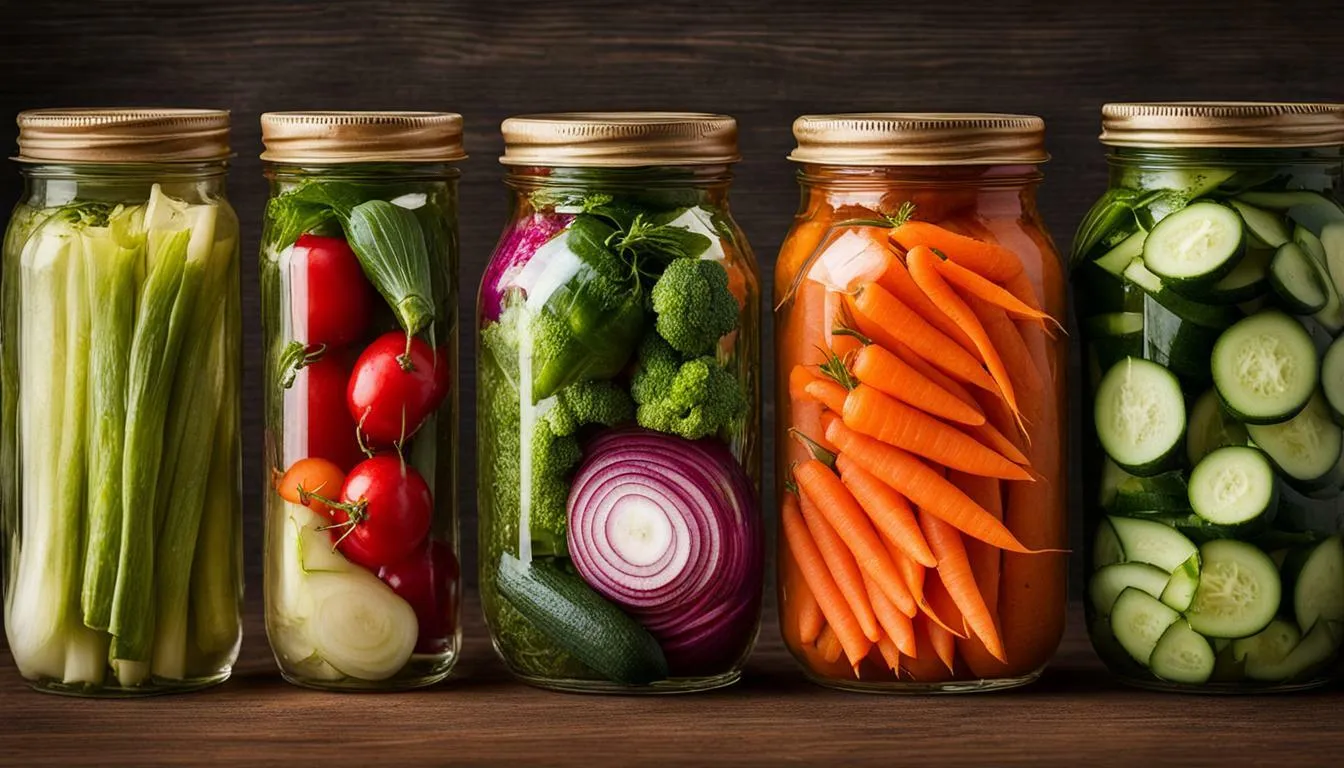
Although pickled vegetables are low in calories, they are very high in sodium. Eating them frequently may cause fluid retention and affect blood pressure, making them unsuitable for pregnant women managing their weight. Homemade pickled vegetables prepared unhygienically also carry a risk of harmful germs. Choose thoroughly washed fresh vegetables or blanched vegetables instead.
- Blanched vegetables, such as water spinach, cabbage and yardlong beans, with a mild chili dip
- Mixed vegetable salad with a hard-boiled egg and mild seasoning
- Mixed vegetable soup with ingredients such as pumpkin, carrots and corn
Dark green vegetables, such as spinach, Chinese kale and broccoli, contain folate, iron and fiber, which are important during pregnancy.
Conclusion
Pregnant women managing their weight do not need to fast. Instead, eat all five food groups, focusing on vegetables, fruit, lean protein and whole grains, while limiting fried foods, sweets and pickled foods, in line with advice from NHS, alongside gentle exercise approved by your doctor.
The appropriate amount of weight gain differs for each person. Monitor your weight at every antenatal appointment and consult your doctor if you gain weight too quickly or too slowly, as this may be associated with pregnancy complications such as diabetes or preeclampsia.