



Visit our stores089-894-9491
My cartDelivery
  • ไทย
  • English
  • 中文
  • Bahasa Indonesia
  • 日本語
  • العربية
ABC the Baby
StokkeTripp TrappJoieTommee TippeeHapeGB Pockit
  • ไทย
  • English
  • 中文
  • Bahasa Indonesia
  • 日本語
  • العربية
  • Home
  • Shop
  • Articles
  • Stores
  • About us
  • Contact us

Get deals and codes first

Add ABC the Baby on LINE for promotions, new arrivals and helpful articles for parents.

Add us on LINE
ABC the Baby

ABC the Baby is a premium baby store in Thailand selling newborn essentials, maternity and hospital-bag items, newborn gifts, strollers, car seats, baby carriers and breast pumps — with stores where you can try the products in person.

About ABC the Baby

  • About us
  • Articles
  • Stores
  • Product warranty registration

Shopping

  • All products
  • On sale
  • Cart
  • Delivery

Help

  • Contact us
  • Returns
  • Privacy policy

Payment

PromptPayVisaMastercardJCBUnionPayAmerican ExpressK PLUSSCB EASYBangkok BankKrungsriTrueMoneyShopeePayLINE Pay

Chat with us

LINE OAMessenger

Our stores · 3 branches

  • Mega Bangna
  • Vibhavadi Rangsit
  • Rama 2
  • Find a store near me
© 2026 ABC the BabyPrivacy policyReturns
HomeProductsDealsGiftsStores

Hi there, welcome!

  • Chat on LINE
  • Chat on Messenger
  • Call us
  1. Home
  2. Articles
  3. Parenting
  4. Baby Hiccups: What Causes Them, Are They Dangerous, and How Can You Help?
  • Parenting

Baby Hiccups: What Causes Them, Are They Dangerous, and How Can You Help?

30 Aug 2023Updated 18 Oct 20269 min read
ทารกสะอึก คุณแม่อุ้มเรอ

Jump to section

  1. Quick summary
  2. What Causes Baby Hiccups?
  3. Are Baby Hiccups Dangerous?
  4. How to Help Baby Hiccups
  5. Conclusion
  6. Frequently asked questions
  7. References

Try before you buy

Visit our 3 stores to try strollers and car seats in person.

See our storesShop online

Baby hiccups are rhythmic spasms of the diaphragm, commonly triggered by feeding too quickly, feeding too much, or swallowing air; they are very common in babies, usually harmless, and generally stop on their own within a few minutes. Taking a break to burp your baby, adjusting their feeding position, and holding them upright after feeds may help; do not give water to babies under 6 months, and see a doctor if frequent hiccups occur with vomiting, marked fussiness, or difficulty breathing.

Contents (7 sections)
  1. Quick summary
  2. What Causes Baby Hiccups?
  3. Are Baby Hiccups Dangerous?
  4. How to Help Baby Hiccups
  5. Conclusion
  6. Frequently asked questions
  7. References

Quick summary

  1. 01

    Hiccups are very common in babies, usually harmless, and generally stop on their own within a few minutes.

  2. 02

    Common causes include feeding too quickly, feeding too much, or swallowing air during feeds.

  3. 03

    Taking breaks to burp during feeds, adjusting the feeding position, and holding your baby upright afterward can help reduce hiccups.

  4. 04

    Do not give water to babies under 6 months, and never startle your baby or use essential oils to treat hiccups.

  5. 05

    See a doctor if frequent hiccups occur with vomiting, marked fussiness, difficulty breathing, or reduced feeding.

Hiccups happen when the diaphragm, the large sheet of muscle beneath the lungs, contracts involuntarily in rhythmic spasms. This causes the vocal cords to close suddenly, producing a "hic" sound. Hiccups are very common in babies and young children. Some babies hiccup while still in the womb, and after birth they may hiccup several times a day, especially during or after feeds.

The good news is that most baby hiccups are harmless, do not hurt your baby, and usually stop on their own within a few minutes. This article explains common causes, safe ways to ease hiccups, what to avoid, and when to take your baby to a doctor.
Baby hiccups

What Causes Baby Hiccups?

In babies, hiccups are often linked to feeding and air in the stomach, which stimulate the nearby diaphragm (Source: Cleveland Clinic). Common causes include:

  • Feeding too quickly or too much: A rapidly expanding stomach presses against the diaphragm, causing hiccups during or after feeds.
  • Swallowing air during feeds: This can happen with a shallow breastfeeding latch, a bottle teat that flows too quickly or too slowly, or a bottle held at an angle that leaves air in the teat.
  • Prolonged crying: Crying causes babies to swallow more air.
  • Acid reflux: Some babies who hiccup frequently and spit up a lot may have acid reflux. Read more about acid reflux symptoms in babies.
  • No clear cause: Babies often hiccup without an identifiable cause. This is a normal part of having a nervous system and muscles that are still developing.

Baby hiccups

Are Baby Hiccups Dangerous?

Baby hiccups are generally harmless, do not interfere with breathing, and do not distress most babies. Many can continue feeding or sleeping as usual. Hiccups gradually become less frequent as your baby grows.

Take your baby to a doctor if hiccups occur with any of the following:

  • Frequent hiccups with excessive spitting up or vomiting, fussiness, or back arching after feeds.
  • Hiccups that interfere with feeding or sleep, or poor weight gain.
  • Difficulty breathing, noisy breathing, or bluish lips.
  • Continuous hiccups lasting several hours without stopping.

How to Help Baby Hiccups

Most hiccups stop on their own without any intervention. However, if your baby hiccups frequently or you want to help them feel more comfortable, try these safe methods.

1. Take a Break and Burp Your Baby

If your baby hiccups during a feed, pause and hold them over your shoulder or sit them on your lap, supporting their chin and chest. Gently rub or pat their back to help them burp. Burping during a feed, such as when switching breasts or halfway through a feed, can help release air from the stomach.

2. Adjust How You Feed Your Baby

Feed your baby before they become so hungry that they cry, as very hungry babies suck quickly and swallow more air. Position their head higher than their tummy and help them latch deeply onto the breast, taking in the areola (see how to breastfeed correctly). If bottle-feeding, choose a teat with an age-appropriate flow rate and tilt the bottle so the teat stays filled with milk.

3. Hold Your Baby Upright After Feeds

After feeding, hold your baby upright for a while to help air escape more easily and reduce spitting up. If your baby spits up often, read more about what causes frequent spitting up in babies.

4. Offer a Pacifier

For babies who already use a pacifier, sucking may help relax the diaphragm and stop hiccups in some cases, although there is no clear evidence yet (read about the pros and cons of pacifiers).

5. Wait for Them to Stop on Their Own

If your baby is not fussy or uncomfortable, you can simply let the hiccups stop on their own. Most stop within a few minutes. There is no need to wake or disturb a sleeping baby.

Precautions: Do not give plain water or fruit juice to babies under 6 months to treat hiccups. Do not give honey or sugar to children under 1 year. Never startle your baby, pull their tongue, press on their soft spot, or shake them. Avoid massaging your baby with essential oils or lighting candles nearby, as these can irritate the skin and airways and pose a fire risk. There is no evidence that sticking paper or thread on the forehead helps, and it could come loose, enter the mouth, and cause choking. If your baby hiccups while asleep, continue placing them on their back on a firm mattress, following safe sleep guidelines.
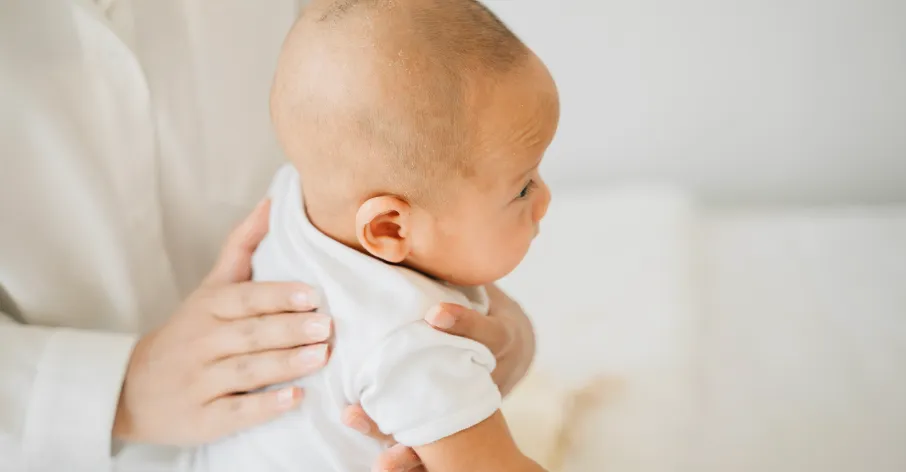
Baby hiccups

Conclusion

Hiccups are a normal and common occurrence in babies. They are usually caused by feeding too quickly, feeding too much, or swallowing air, and generally stop on their own within a few minutes without causing harm. Safe ways to help include taking breaks to burp your baby, adjusting feeding position and pace, holding them upright after feeds, and waiting for the hiccups to stop naturally. Avoid potentially unsafe traditional remedies, such as giving water to young babies, startling them, or using essential oils. Consult a pediatrician if frequent hiccups occur with vomiting, marked fussiness, difficulty breathing, or reduced feeding (see information about reflux in babies from the NHS).

If you are a new mom looking for help caring for your little one, ABC the Baby has put together tips and guides for you. Click here!

Frequently asked questions

Are frequent baby hiccups dangerous?

+

They are usually harmless. Babies can hiccup frequently, and the hiccups generally stop on their own. However, consult a doctor if frequent hiccups occur with excessive spitting up or vomiting, fussiness after feeds, or difficulty breathing.

What causes baby hiccups?

+

Common causes include feeding too quickly or too much, swallowing air during feeds, or prolonged crying. These can expand the stomach and stimulate the diaphragm. Sometimes there is no clear cause.

How can I help my baby's hiccups?

+

Take a break to burp your baby, hold them upright after feeds, feed them before they become very hungry, or wait for the hiccups to stop on their own. Most stop within a few minutes.

Can I give my baby water for hiccups?

+

Babies under 6 months should not drink plain water or fruit juice. If your baby has hiccups while hungry, offer breast milk or formula as usual instead.

When should I take my baby to a doctor for hiccups?

+

See a pediatrician if hiccups last for several hours, interfere with feeding or sleep, or occur with poor weight gain, frequent vomiting, or difficulty breathing.

References

  1. Cleveland ClinicHeres what to do when your baby has the hiccups
  2. NHSReflux in babies
  3. Cleveland ClinicHiccups

Related articles

หมุนเวียนของเล่น : 8 วิธี ช่วยส่งเสริมให้เด็กเล่นอย่างมีสติ
  • Parenting
  • Developmental Toys

Toy Rotation: 8 Ways to Encourage Mindful Play

Holidays often bring new toys, whether as gifts or purchases from parents. This is a valuable opportunity to teach children gratitude and appreciation for what they have.

17 Apr 20245 min read
คุณแม่หลังคลอดห่มผ้าอุ่น ๆ ดื่มน้ำอุ่น
  • Parenting

Why Do Postpartum Chills Happen, and How Can Mothers Manage Them?

Brief shivering can happen soon after birth. Learn how to stay comfortable and which warning signs, including fever or heavy bleeding, need immediate medical attention.

17 Feb 20246 min read
เบาะนอนทารกแน่นพร้อมผ้าปูตึง
  • Parenting

5 Tips for Choosing a Baby Mattress for Comfortable Sleep

Your baby's sleep deserves careful attention. When choosing a mattress, consider your baby's weight, easy cleaning and good-quality materials, and avoid one that is too old. Bringing your baby along can also help you choose.

10 Feb 20245 min read