







Breastfeeding and formula feeding are important considerations for every mother. Each method has different advantages and disadvantages. Here, we discuss the differences between the benefits of these two types of milk, whether one can replace the other, and how each feeding method benefits your baby.
Recommended: Baby Not Pooping for Several Days: Symptoms Parents Should Not Ignore

Benefits of Breast Milk
Breast milk is a complete food that is ideally suited to your baby. It contains all the types of nutrients needed for growth and helps protect against illness.
It contains protein, fats, carbohydrates, and vitamins that benefit your baby, as well as minerals, antibodies, and white blood cells that help strengthen the immune system. The World Health Organization recommends exclusive breastfeeding for the first 6 months, followed by continued breastfeeding alongside age-appropriate foods until age 2 or beyond (WHO).
It also helps clear waste from your baby's intestines and build immunity early in life.
Benefits for Your Baby
| Type | Benefits |
|---|---|
| Protein | - Supports the growth of body tissues - Helps build your baby's immunity - Supports your baby's brain and nervous system |
| Fats | - Support the development of your baby's brain and nervous system - Support your baby's vision development - Help reduce the risk of diseases involving changes in the brain |
| Carbohydrates | - Provide energy for your baby - Support the growth of body tissues - Help strengthen your baby's immune system |
| Vitamins and Minerals | - Help strengthen your baby's immune system - Support the growth of body tissues - Support your baby's vision development |
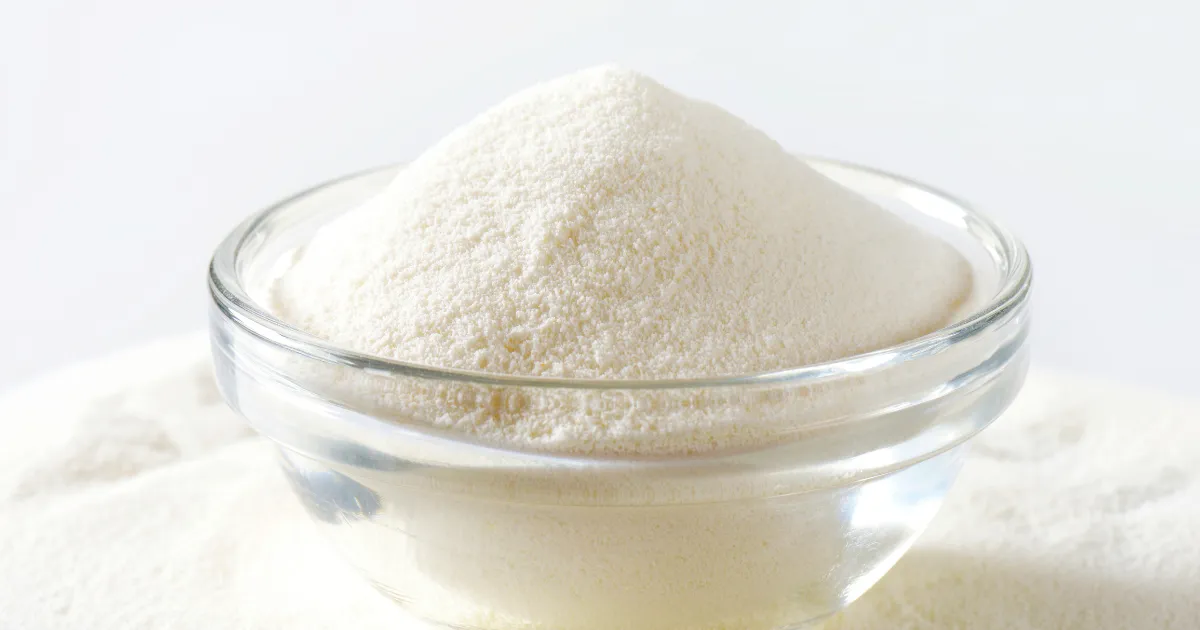
Benefits of Formula
An option for mothers who cannot breastfeed
| Benefit | Explanation |
|---|---|
| Contains Important Nutrients | Contains nutrients important for your baby's growth, such as protein, lecithin, and essential fats (unsaturated fats). |
| Convenient and Practical | Other people can help feed your baby. It is suitable when a mother cannot breastfeed or cannot provide enough breast milk. (Formula does not increase breast milk supply. To increase supply, breastfeed or pump frequently.) |
| Long Storage Life | Unopened formula powder can be stored until the expiry date on the label. Once prepared, however, it should be used within 2 hours. |
Although formula offers benefits for mothers and babies, it cannot match breast milk.
How Do They Differ?
There are substantial nutritional differences in how they benefit your baby's growth and development. Breast milk is a complete food containing the nutrients essential for your baby's growth and development. Its proteins are readily utilized by the body, and it contains important vitamins and minerals. It also contains antioxidants and antimicrobial substances and helps build your baby's immunity.
By comparison, formula also contains protein and other nutrients essential for your baby's growth, but it does not contain the antioxidants and other substances found in breast milk.
If a mother cannot breastfeed, formula is therefore a good alternative for meeting her baby's nutritional needs.
https://www.youtube.com/watch?v=cYKSeeHP0rcHow Should You Choose?
Now that we have explored the benefits of breast milk and formula, let's look at how to choose the right nutrition for your baby's needs.
Choosing Breast Milk
If a mother can breastfeed, it offers many benefits for her baby's growth and development. Breastfeeding also helps stimulate the baby's brain and body, supporting further development.
It also helps protect children against infections, allergies, and weakened immunity, while providing suitable nutrients in sufficient amounts for growth. There is no need to worry that your baby is receiving too few or too many nutrients.
Choosing Formula
If a mother cannot breastfeed or has problems producing milk, formula is a good alternative. It provides suitable nutrients in sufficient amounts for your baby's growth. For more on choosing an age-appropriate formula, read How to Choose Infant Formula.

Choosing Milk in Special Circumstances
In some circumstances, such as when a baby is born prematurely, has a low weight, or has a cow's milk protein allergy, a doctor may recommend a specialized formula or additional nutrient supplementation. Use these only as advised by a doctor. (Read more: Signs of Cow's Milk Allergy in Children)
| Factors to Consider | Breast Milk | Formula |
|---|---|---|
| Nutritional Quality | Contains nutrients suited to babies, is easy to digest, and changes as your baby grows, while also providing immune-protective substances. | Contains protein and other nutrients in proportions adjusted to suit babies at different ages, but lacks the immune-protective substances found in breast milk. |
| Care and Hygiene | Can be fed directly from the breast at the right temperature, with no preparation needed. | Must be prepared for each feed, and bottles and equipment need regular cleaning and sterilizing. |
| Cost | No cost for the milk itself. | Formula and feeding equipment must be purchased. |
Whichever you choose, consider the quality and appropriate amounts of nutrients for your baby. Feeding equipment must also be cleaned regularly to help prevent infections.

Preparing Your Baby's Feeds
Whether you choose breast milk or formula for your baby's feeds, preparing it correctly requires knowledge and experience. Unsuitable feeds may make your baby ill, so it is important to follow these recommendations.
Preparing Breast Milk Feeds
When preparing your baby's feeds, consider the cleanliness of the mother's breasts. Breast milk feeds can be prepared as follows:
- Wash your hands thoroughly before expressing or pumping milk, and use clean containers for storing it.
- Freshly expressed breast milk can be kept at room temperature (no higher than 25°C) for up to 4 hours, in the refrigerator compartment for up to 4 days, and in the freezer for up to approximately 9 months.
- Warm the milk by placing the bottle in warm water or holding it under running warm water. Never boil it, heat it in an oven, or microwave it. High heat destroys nutrients and immune-protective substances in breast milk and may heat it unevenly, potentially burning your baby's mouth.
- Do not add sugar or anything else to breast milk. Any milk left after your baby has fed should be used within 2 hours.
For details on storing breast milk, see HealthyChildren.org (AAP). For pumping guidance, read How to Pump Breast Milk for New Mothers.
Preparing Formula Feeds
There are several ways to prepare formula, but the key step is mixing the powder with water. Always follow the manufacturer's instructions to prepare feeds properly:
- Wash your hands, and use bottles and equipment that have been cleaned and sterilized.
- Always read the preparation instructions on the packaging, and use boiled water.
- Mix the formula powder with water in the proportions specified, making it neither too concentrated nor too diluted.
- Shake or stir until the powder has fully dissolved, and test the temperature on your wrist before feeding your baby.
- Do not add sugar or anything else to the milk.
- Prepared formula should be fed to your baby within 2 hours. If prepared in advance, refrigerate it for no longer than 24 hours. Discard any milk left after your baby has fed (NHS).
Learn how to clean bottles thoroughly in How to Clean Your Baby's Bottles, and choose baby bottles suited to your baby's age.
Prepare enough to meet your baby's needs and help ensure adequate nutrition.
Conclusion
Choosing breast milk or formula is important for your baby's growth and development. Breast milk offers substantial benefits for your baby's health and growth, but care is needed to make an appropriate feeding choice based on your baby's needs. Formula can replace breast milk nutritionally when necessary, but it cannot fully replace its immune-protective substances and other benefits. Breast milk therefore remains the better choice.
In circumstances where a mother cannot breastfeed or has other problems that prevent breastfeeding, formula is a good and safe alternative. However, care is needed to avoid incorrect preparation, which may leave your baby with inadequate nutrition.
Disadvantages of Breastfeeding
There may be some limitations. Mothers need to breastfeed frequently, particularly during the newborn stage, and may experience sore nipples or a low milk supply. When returning to work, they need to pump and store milk correctly. Mothers with certain medical conditions or who take certain medications may also need to consult a doctor before breastfeeding. Most problems can be addressed by consulting a doctor or breastfeeding clinic.
Disadvantages of Formula Feeding
Formula cannot provide the same protection against infections as breast milk. There is also a risk of contamination with germs or chemicals, which may harm your baby's health.