







Bowel movements remove waste from the body, and how often babies pass stool varies widely depending on their age and the type of milk they drink. However, going several days without passing stool may signal a problem. Parents should not ignore these symptoms and should see a doctor for an accurate diagnosis and appropriate treatment.
Reasons babies may struggle to pass stool
-
Dietary changes: When a baby's diet changes, such as switching to a new milk or food, their digestive system may need time to adjust before bowel movements resume.
-
Constipation: A common cause is constipation, which can result from foods that are difficult to digest, a lack of fiber, or dehydration, making stools harder to pass and reducing bowel movements.
-
Food allergies: Sometimes a baby may be allergic to certain foods, which can disrupt normal digestion and reduce bowel movements.
-
Infections: Infections in the digestive tract or urinary tract may prevent a baby from passing stool. For example, an infection may interfere with normal digestion and bowel movements.
-
Physical conditions: These include abnormalities in the digestive tract or digestive tract muscles that do not function properly.
If you have concerns about your baby's health, consult a doctor or healthcare professional for appropriate advice and an accurate diagnosis. A lack of bowel movements may signal a health problem, so consult a doctor promptly for an assessment and suitable guidance.
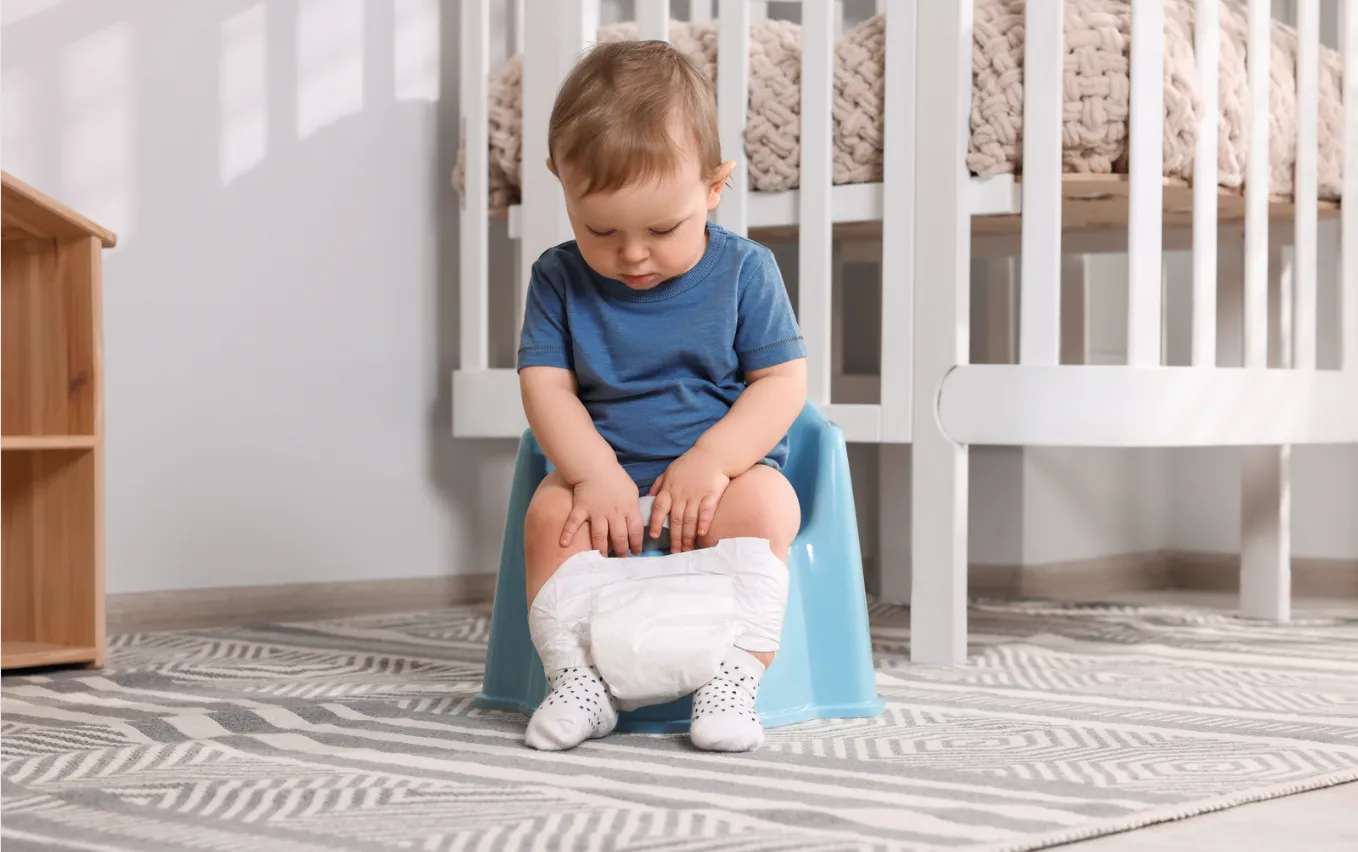
Symptoms parents should watch for
Parents should monitor a baby's lack of bowel movements from birth, as it can be a sign of a digestive tract problem. Watch for the following symptoms:
- Going much longer than usual without passing stool, along with unusual fussiness, a tight or bloated tummy, or more spit-up than usual. Some breastfed babies can normally go several days without passing stool if they feed well, are not fussy, and have no bloating.
- Hard, lumpy or pellet-like stools, blood caused by hard stools, or straining for more than 10 minutes without passing stool.
- A major change in bowel movement frequency, such as passing stool much less often along with hard stools, or having watery stools much more frequently.
- If your baby has a swollen tummy but is not passing stool, there may be a digestive tract problem. Take your baby to a doctor.
- Unusual drowsiness, refusing milk, vomiting, green vomit, or fever are signs that require prompt medical attention.
If you notice these symptoms, take your baby to a doctor as soon as possible so the problem can be addressed effectively.
Managing symptoms
Managing symptoms works best when you understand the factors contributing to the problem. Here are steps parents can take:
- If your baby is not passing stool as usual and has symptoms such as abdominal pain, fever, or other unusual signs, check how long it has been since their last bowel movement and whether their diet or condition has changed.
- Check that your baby receives an appropriate, balanced diet. Make sure their food is sufficient for their age and needs, with suitable characteristics to help support digestion.
- Adequate movement can help stimulate your baby's digestive system and bowel movements. Encourage movement by gently moving their legs in a cycling motion and massaging their tummy gently in a clockwise direction.
- Babies who have started complementary foods, at around 6 months or older, can have sips of clean water between meals. Babies under 6 months already get enough water from milk and should not be given plain water or fruit juice without consulting a doctor. (Source: NHS)
- For formula-fed babies, always prepare formula using the proportions on the label. Do not make it overly concentrated or frequently switch formulas on your own.
- If your baby goes a long time without passing stool or has unusual symptoms, consult a doctor for an accurate diagnosis and appropriate treatment.
- Monitor your baby's condition and watch for changes. If symptoms do not improve or additional symptoms develop, consult a doctor again.

How many days without pooping is normal or abnormal?
Normal bowel movement frequency varies widely among babies. According to the American Academy of Pediatrics, formula-fed babies usually pass stool at least once a day on most days, although they may skip 1–2 days. Breastfed newborns often pass stool several times a day. As they grow, some can normally go several days to around 1 week without passing stool because their bodies use almost all of the milk.
The number of days alone does not determine whether something is wrong. Look for accompanying symptoms such as hard, lumpy stools, blood in the stool, prolonged straining without passing stool, excessive fussiness, bloating, vomiting, or refusing milk. In addition, newborns in their first week who pass less stool or urine than usual may not be getting enough milk and should be assessed by a doctor promptly.
Caring for your baby
If your baby has not passed stool for a long time, they may need a medical checkup. In some cases, however, the following home care measures may help.
| Method | Explanation |
|---|---|
| Tummy massage and leg movements | Gently massage your baby's tummy clockwise and move their legs in a cycling motion to help stimulate bowel movements. |
| Provide enough milk | Offer breast milk or formula according to your baby's needs. If using formula, follow the proportions on the label. Babies under 6 months should not be given plain water or fruit juice without consulting a doctor. |
| Adjust foods for your baby's age | For babies who have started complementary foods, at around 6 months, add pureed vegetables and fruits such as prunes, pears, or pumpkin, and offer sips of clean water between meals. (Learn more: Meal ideas for 6-month-old babies) |
| See a doctor | If initial home care does not help, or your baby has other unusual symptoms, see a doctor to identify the cause and receive treatment. |
Caution: Do not give laxatives, enemas, or herbs, or insert soap, a thermometer, or a cotton swab into your baby's bottom to stimulate a bowel movement without medical guidance. These methods can injure your baby's intestines and anus.
Persistent straining without passing stool: What to do
Straining without passing stool is common in babies and children. It may be related to diet or other health factors affecting the baby's digestive tract.
| Persistent symptoms | What to do |
|---|---|
| Your baby strains without passing stool for a prolonged period, lasting several days or weeks. |
|
| Your baby strains without passing stool and has other symptoms, such as bloating, diarrhea, and weakness. | If your baby has other symptoms unrelated to straining, see a doctor for a health assessment and treatment. |
If your baby strains without passing stool for a prolonged period, see a doctor to assess their health, identify the cause, and receive treatment appropriate to their situation. Continue monitoring and caring for your baby closely to help them return to normal bowel movements.
Why babies may pass stool too frequently
Frequent bowel movements in babies can have several causes, including their diet or an illness, as follows:
- Problems with milk feeding - Foods with unsuitable flavors or ingredients may cause indigestion and lead to overly frequent bowel movements.
- Dietary changes - Changes in the foods your baby receives may cause overly frequent bowel movements, as these changes can also affect digestion.
- Infection or allergy - A digestive tract infection (gastroenteritis) or cow's milk protein allergy (Read more: Signs your child may be allergic to cow's milk) can cause frequent or loose stools. If your baby has fever, vomiting, frequent watery stools, or signs of dehydration such as reduced urination, a dry mouth, or unusual drowsiness, seek medical attention promptly.
- Breastfed newborns - During the first few weeks, breastfed babies may pass stool after almost every feed. This is normal if your baby feeds well, is alert and happy, and gains weight as expected.
Appropriate feeding
An appropriate diet can help reduce overly frequent bowel movements. Milk should be your baby's main food in the early months, with foods introduced progressively according to their age. When starting complementary foods at around 6 months, remember to include vegetables and fruits (Learn more: Feeding from birth to 1 year) to help reduce digestive problems.
Checking digestive health
Assessing your baby's digestive health is important for identifying the cause of overly frequent bowel movements. Watch for common symptoms such as a swollen tummy, irregular bowel movements, or blood in the stool, so any problems can be identified and treated by a doctor.

Prevention
The most important part of prevention is managing your baby's diet and other factors that may make it difficult to pass stool. If you are caring for a baby, the following steps may help prevent this problem:
- Choose foods appropriate for your baby.
- Watch for and address factors that may make it difficult for your baby to pass stool, such as getting enough milk and, for babies who have started complementary foods, clean water, as well as supporting digestive health and movement.
- Support your baby's digestive system by providing breast milk or formula to help remove waste from the body.
- Watch your baby's symptoms and arrange regular medical checkups.
Treatment advice
Caring for your baby is extremely important. Aim to keep your baby happy and safe at all times to support their health. For example:
- Have your baby's digestive health checked regularly. If you notice a problem, take your baby to a doctor promptly.
- Make sure your baby receives appropriate, natural foods, such as breast milk or complementary foods confirmed to be suitable for babies.
- Do not use digestive medicines or medical methods that are unsuitable for babies. If you are unsure, consult a doctor first.
- Monitor your baby's symptoms closely so you can notice changes and address their condition promptly.
If you have any questions about treatment, consult a doctor for further advice.
Conclusion
A baby not passing stool is something parents should pay attention to, as it may signal a health problem. If your baby has not passed stool for several days and also has unusual symptoms such as bloating, fussiness, vomiting, or hard stools, consult a doctor promptly for an accurate diagnosis and appropriate treatment to support your baby's health.
Appropriate care for a baby who is not passing stool, such as providing enough milk, tummy massage, and other methods that encourage bowel movements, can help manage symptoms effectively and reduce the risk of future health problems.
New article you may enjoy: Preparing to Be a First-Time Mom: What Should You Know and How Can You Cope?
FAQs
How often should a baby poop?Bowel movement frequency varies among babies. Breastfed newborns often pass stool several times a day. As they grow, some can normally go several days without passing stool, while formula-fed babies usually pass stool almost every day.
What should I do if my baby has not pooped for more than 48 hours?If your baby feeds well, is not fussy, has no bloating, and still passes soft stools, this may be normal, particularly for breastfed babies. However, if your baby is a newborn in their first week or has other unusual symptoms such as vomiting, bloating, or refusing milk, consult a doctor.
Which baby stool colors are normal and which are abnormal?Stool color varies depending on the nutrients your baby receives. Yellow, green, and brown are considered normal. However, if stools are pale white, gray, black after the first few days of meconium, or contain blood, take your baby to a doctor promptly.
Does breastfeeding affect a baby's bowel movements?Breastfeeding can help support your baby's digestion and bowel movements.