






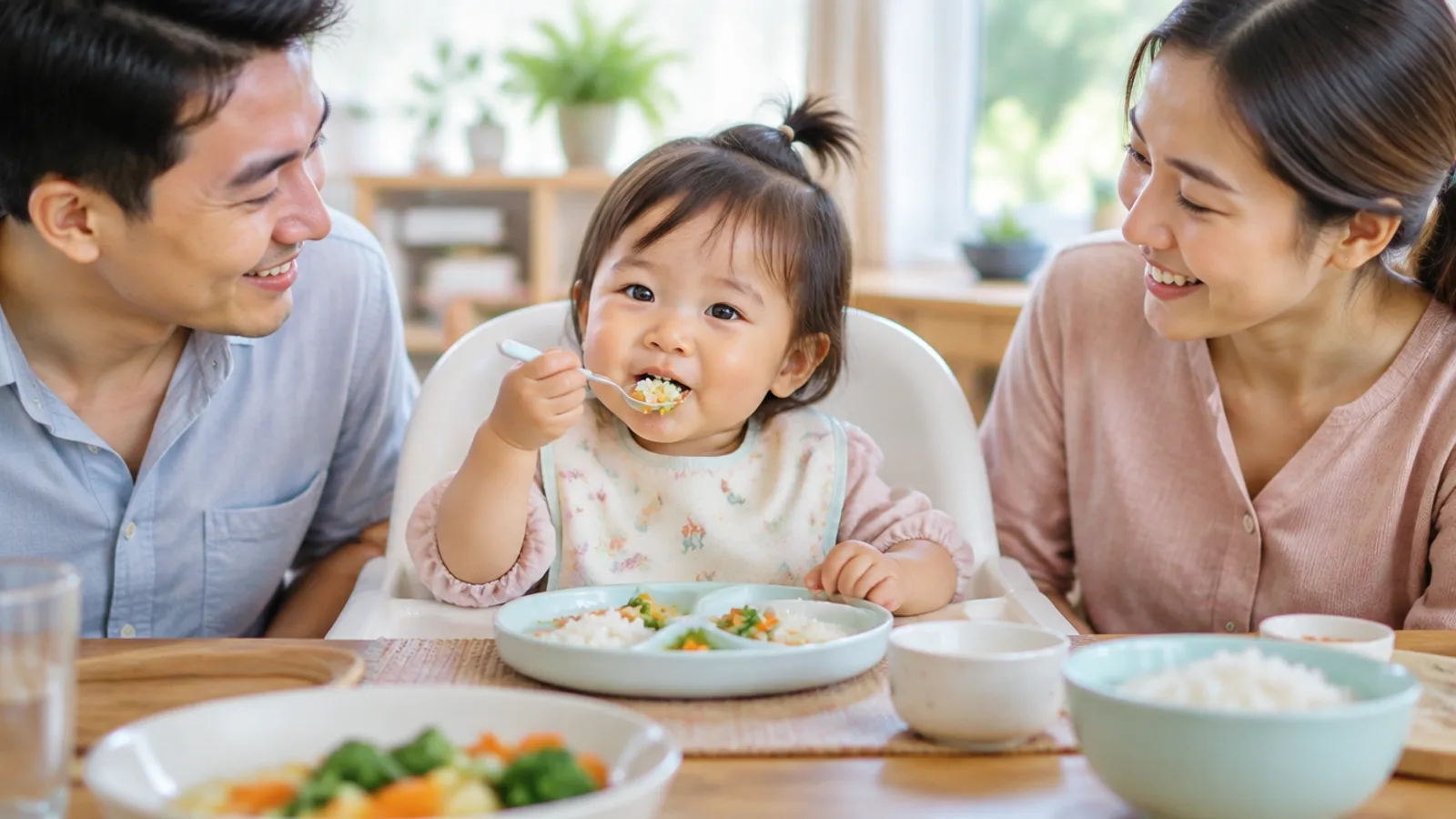
Preparing food for young children is part of every parent's life. Offering tasty, healthy meals is important for helping your child grow and develop to their full potential.
In this article, we introduce easy homemade meals for children aged 1 and up. You'll find guidance on tasty, safe food that supports your child's growth, with clearly presented information to help you choose suitable meals. If your child is under 1, read more in What Should Babies Eat from Birth to 1 Year?
Recommended: Preparing for Motherhood: What Should New Moms Know, and How Can They Get Ready?
Essential Nutrients for a 1-Year-Old
Age 1 is an important stage in a child's physical and brain development. Choosing suitable meals that provide enough of a variety of nutrients is essential for your child's health and development.
Particularly important nutrients at this age include:
| Nutrient | Why It Matters | Food Sources |
|---|---|---|
| Protein | Builds muscles and body tissues | Breast milk, milk, eggs, fish, meat, dried beans, tofu |
| Carbohydrates | Provide energy for play and growth | Rice, bread, noodles, potatoes, corn, grains |
| Fat | Provides energy and supports brain development | Milk, egg yolks, meat, fish, vegetable oil, avocado |
| Fiber | Supports bowel movements | Vegetables, fruit, brown rice, grains |
| Calcium | Builds strong bones and teeth | Milk, yogurt, cheese, small fish ground with their bones, tofu, leafy green vegetables |
| Iron | Helps prevent anemia and supports brain development | Red meat, liver, egg yolks, fish, dried beans, dark leafy green vegetables |
Each child's needs vary depending on their body weight and growth. If you are concerned that your child is not getting enough nutrients, consult a pediatrician or dietitian.
When preparing food for children, especially 1-year-olds, meals need to provide adequate nutrients suited to their development.
Easy Homemade Meals for Children Aged 1 and Up
Offering suitable, nutritious food is important for your child's physical and brain development. During the first 6 months, babies should have only breast milk, with age-appropriate complementary foods introduced at around 6 months. From age 1, children can begin eating meals more similar to those of adults and sit in a high chair at the family table.
Precautions: Food for children aged 1–3 should be very lightly seasoned. There is no need to add salt, sugar, stock cubes, or ready-made sauces high in sodium, as children's kidneys are not yet fully developed and sugar increases the risk of tooth decay. Use the natural sweetness of vegetables and fruit, and the aroma of onions and garlic instead. Avoid processed meats such as ham and sausages (Source: NHS). Make food soft and cut it into small, bite-sized pieces. Do not offer whole nuts, whole grapes, or large pieces of hard, crunchy food, as these pose a choking risk. Seasonings in all the recipes below have therefore been kept to a minimum.
1. Salmon and Vegetable Rice Soup
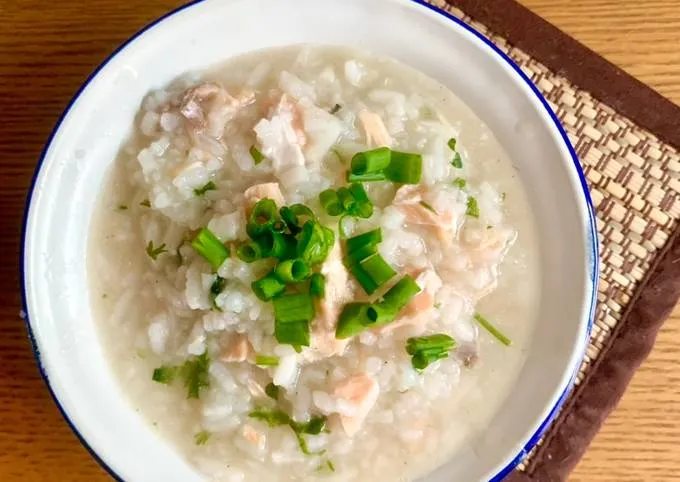
Ingredients:
- 1 cup cooked white rice (or brown rice)
- 50-100 grams fresh salmon
- 1 cup fresh vegetables, such as Chinese kale, Chinese cabbage, or other leafy greens
- 1 cup clean water
Method:
Put the cooked rice and clean water in a pot. Bring to a boil, then reduce to low heat. Stir occasionally until the rice grains expand and become very soft.
While the rice is simmering, wash the salmon thoroughly, remove all skin and bones, and cut it into small pieces.
Wash the fresh vegetables thoroughly and chop into small pieces.
Once the rice soup is cooked, add the salmon and simmer until cooked all the way through.
Once the salmon is cooked, add the chopped vegetables and cook until done, stirring to combine with the salmon.
There is no need to add salt or sugar, as the fish and vegetables are naturally sweet. For extra healthy fats, you can add a little rice bran oil or soybean oil.
Once the salmon and vegetable rice soup is ready, remove from the heat and spoon into a bowl to serve.
*Note: Salmon and vegetable rice soup is suitable for children aged 1 and up. However, check that your child is ready to eat it and contact a doctor if they are unwell or have food allergies, such as an allergy to fish or certain vegetables.
2. Vegetable and Boiled Egg Salad
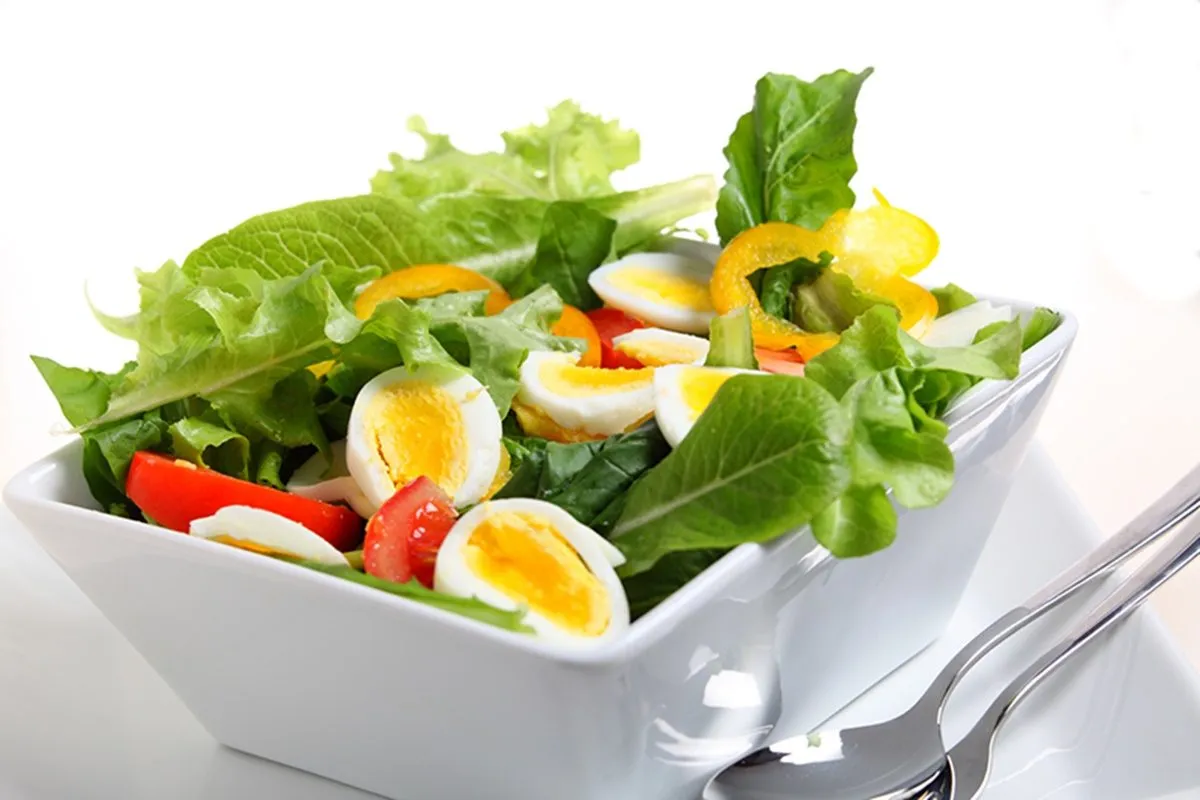
Ingredients:
- 1 cup vegetables of your choice, such as lettuce, carrots (steamed until soft or finely shredded), and other leafy greens
- 1 chicken egg
- 1–2 tablespoons plain yogurt or creamy salad dressing
Method:
Wash the fresh vegetables thoroughly and chop finely.
Wash the egg thoroughly and boil in clean water until both the white and yolk are fully cooked, about 10–12 minutes. Peel, then finely chop or mash.
Cut the finely chopped vegetables into small pieces.
Place the finely chopped vegetables and boiled egg in a mixing bowl.
Stir the dressing into the vegetables and boiled egg until well combined.
- Transfer to a plate and serve.
Vegetable and boiled egg salad is a tasty meal that provides energy for children. Serve it at lunch or dinner as part of a varied diet.
3. Sliced Pork Rice with Teriyaki Sauce
Ingredients:
- 1/2 cup cooked rice
- 50 grams sliced pork
- 1/2 teaspoon reduced-sodium Japanese soy sauce mixed with 2 tablespoons clean water (instead of ready-made teriyaki sauce, which is high in sugar and sodium)
- 1 tablespoon grated apple (for natural sweetness)
- 1/2 tablespoon vegetable oil
- 1 tablespoon thinly sliced onion
- 1 clove garlic, minced
- Salad greens or other lettuce (for garnish)
- Thai basil leaves (for garnish)
Method:
Cut the sliced pork into small, bite-sized pieces. Marinate with the diluted soy sauce, grated apple, sliced onion, and minced garlic for about 10–15 minutes.
Add the vegetable oil to a pan, then add the pork marinated in step 1. Stir-fry until cooked and beginning to turn light brown.
Add a little water and continue stir-frying until the pork is cooked and tender.
Add the cooked rice and stir-fry to combine with the pork and sauce.
Stir well without adding further seasoning. Turn off the heat and let cool until warm.
Transfer the sliced pork rice with teriyaki sauce to a plate and garnish with salad greens or lettuce and Thai basil leaves.
4. Macaroni Egg Soup
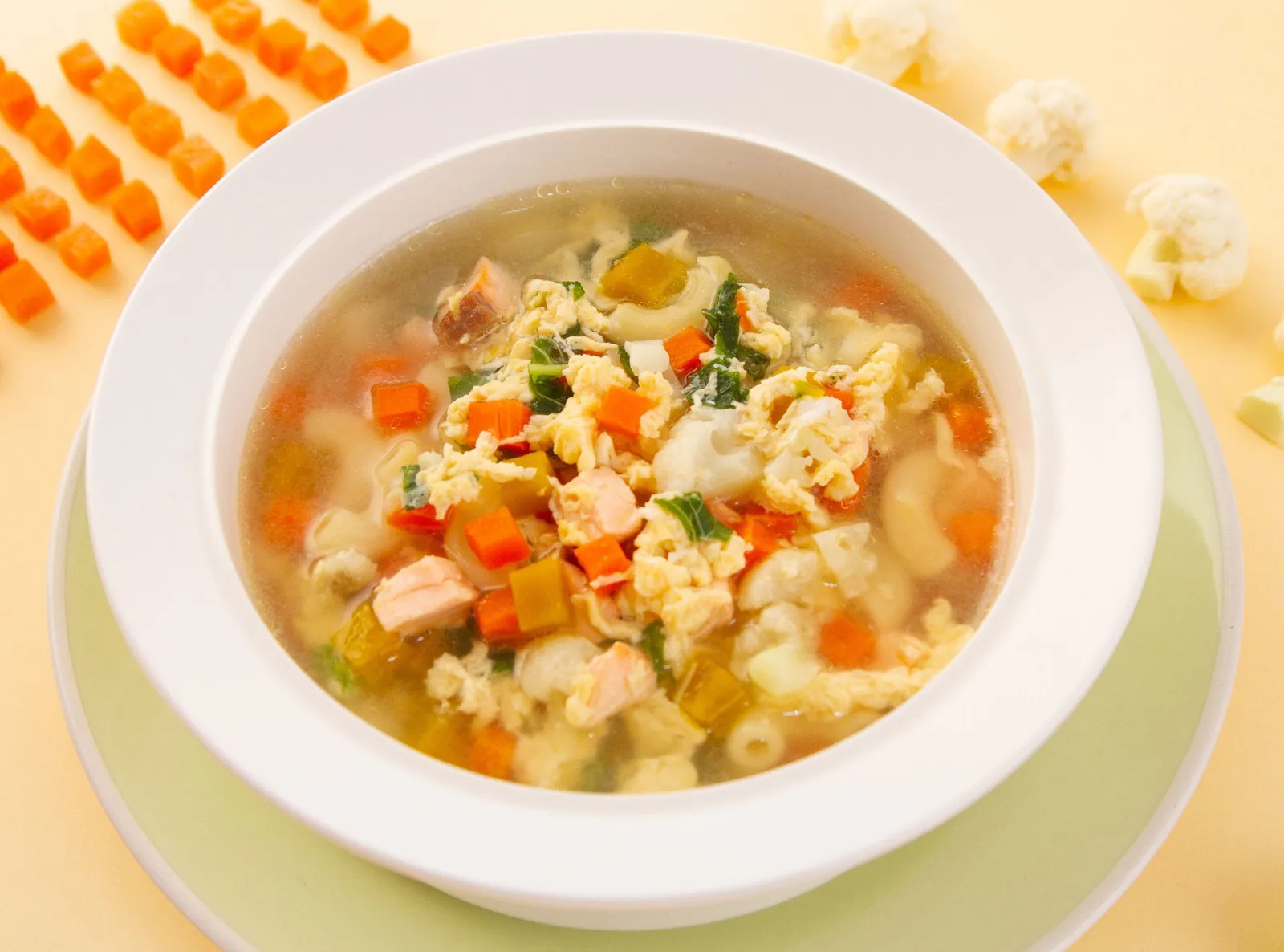
Ingredients:
- 300 grams cooked macaroni
- Homemade chicken bone broth (instead of stock cubes)
- 2 chicken eggs
- 10 fresh shrimp (chopped into small pieces)
- 2 carrots, diced
- 1 liter water
- Cilantro, for garnish
Method:
Place a pot on the gas stove and add the chicken bone broth or water. Heat over medium heat until it begins to boil. Do not add salt or pepper.
Add the diced carrots and simmer until soft.
Once the carrots are cooked, add the fresh shrimp. Pour the eggs into a strainer and move the strainer in circles so the eggs fall into the pot in strands. Stir the soup with a ladle to keep the egg strands from sticking together.
Add the cooked macaroni to the pot. Once the soup returns to a boil, remove it from the heat. Some children are allergic to shrimp. If your child has never eaten shrimp before, offer a small amount and watch for symptoms such as a rash, swollen lips, or vomiting.
Ladle the macaroni egg soup into a bowl, garnish with cilantro, and serve.
5. Pork-Stuffed Vegetable Rolls
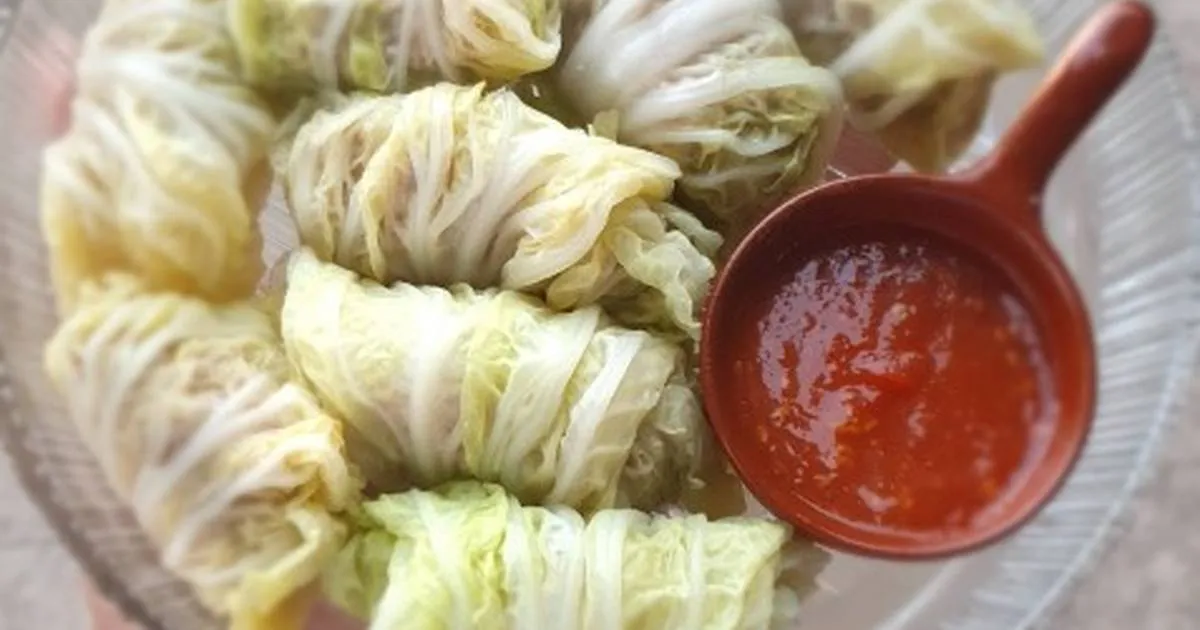
Ingredients:
- 100 grams minced pork
- Fresh vegetables, such as cabbage or lettuce (for wrapping)
- Diced carrot
- Chopped onion
- 1/4 teaspoon reduced-sodium light soy sauce (optional)
Method:
Place the minced pork, diced carrot, chopped onion, and light soy sauce in a mixing bowl. Mix well with a spoon and set aside for wrapping. Blanch the vegetable leaves in boiling water until soft first.
Shape the prepared pork mixture into bite-sized portions and wrap each one in a prepared vegetable leaf. Steam until cooked before serving.
- Cut into small, bite-sized pieces before serving. No dipping sauce is needed, as Thai suki dipping sauce is high in both sugar and sodium.
6. Whole Wheat Nam Wa Banana Rolls
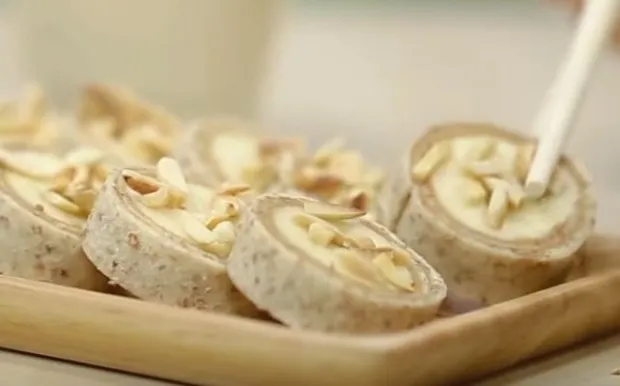
Ingredients:
- Whole wheat bread, crusts removed
- Ripe Nam Wa bananas or dessert bananas
- Smooth peanut butter with no added sugar or salt
Method:
- Lay out the whole wheat bread and roll it flat.
- Spread a thin layer of peanut butter over the bread (a thick layer can stick to the roof of the mouth and be difficult to swallow).
- Place a banana on the bread and roll up tightly.
- Cut into bite-sized pieces and serve.
Precautions: Peanuts are a common food allergen. If your child has never eaten peanuts, has severe eczema, or already has another food allergy, consult a pediatrician first. When offering peanuts for the first time, watch for symptoms such as hives, swollen lips, vomiting, or difficulty breathing. If your child has difficulty breathing, call 1669 immediately.
7. Stir-Fried Cucumber with Eggs
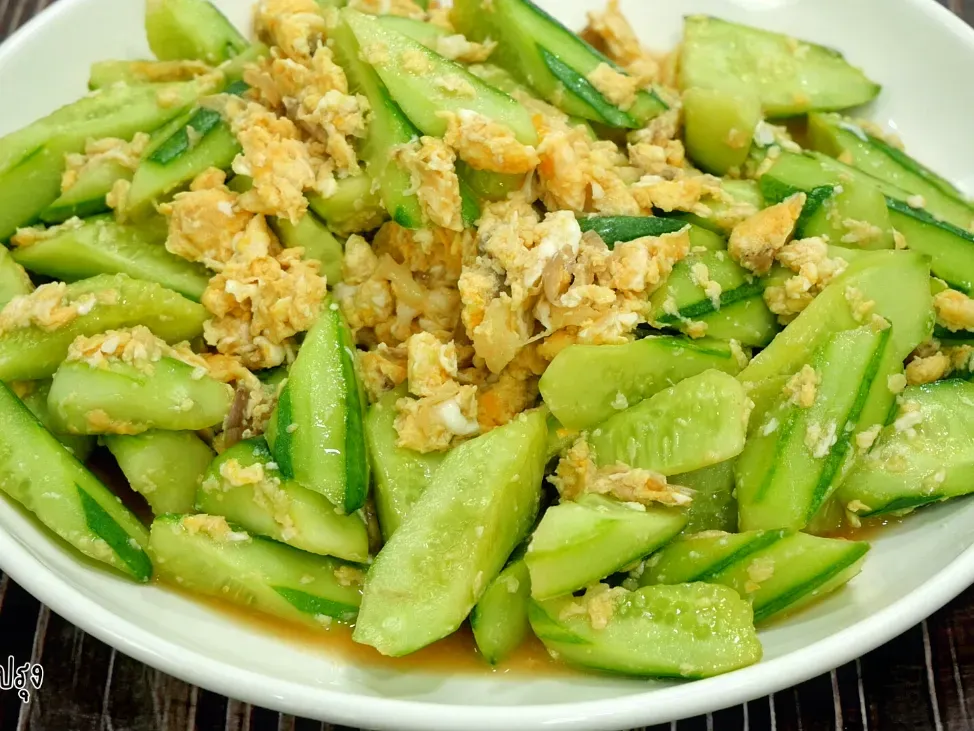
Ingredients:
- Cucumber (thinly sliced)
- 2 chicken eggs
- A little vegetable oil
- 1/4 teaspoon reduced-sodium light soy sauce (optional)
Method:
- Heat a pan and add the oil. Beat the eggs together, then slowly pour them into the pan, gently stirring to scramble.
- When the eggs begin to set, add the cucumber and stir-fry to combine.
- Add just a little light soy sauce (or leave it out) and continue stir-frying until the cucumber is cooked and soft.
- Turn off the heat, transfer to a plate, and serve.
8. Crispy Wontons with Gravy
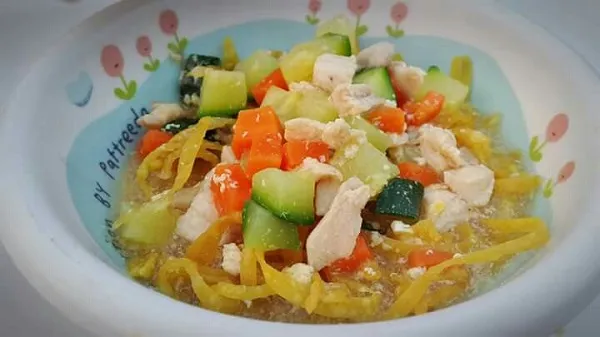
Ingredients:
- Wonton wrappers
- Oil for frying
- 80 grams minced pork
- Diced carrot
- Broccoli
- Tapioca starch
- 2 chicken eggs
- Broth or water (according to preference)
Method:
- Cut the wonton wrappers into bite-sized pieces and fry them. (For young children, pour the gravy over them and let them sit briefly to soften before serving, as hard, crispy pieces may cut the mouth or cause choking.)
- Prepare the broth, then add the minced pork, breaking it up so it does not form lumps.
- Add the vegetables and cook until soft, then add the beaten eggs. Add just a little reduced-sodium light soy sauce, without adding sugar.
- Mix the tapioca starch with water, then pour it in slowly while stirring the broth until slightly thickened.
- Spoon into a bowl and serve.
9. Fish Nuggets (Unseasoned Recipe)
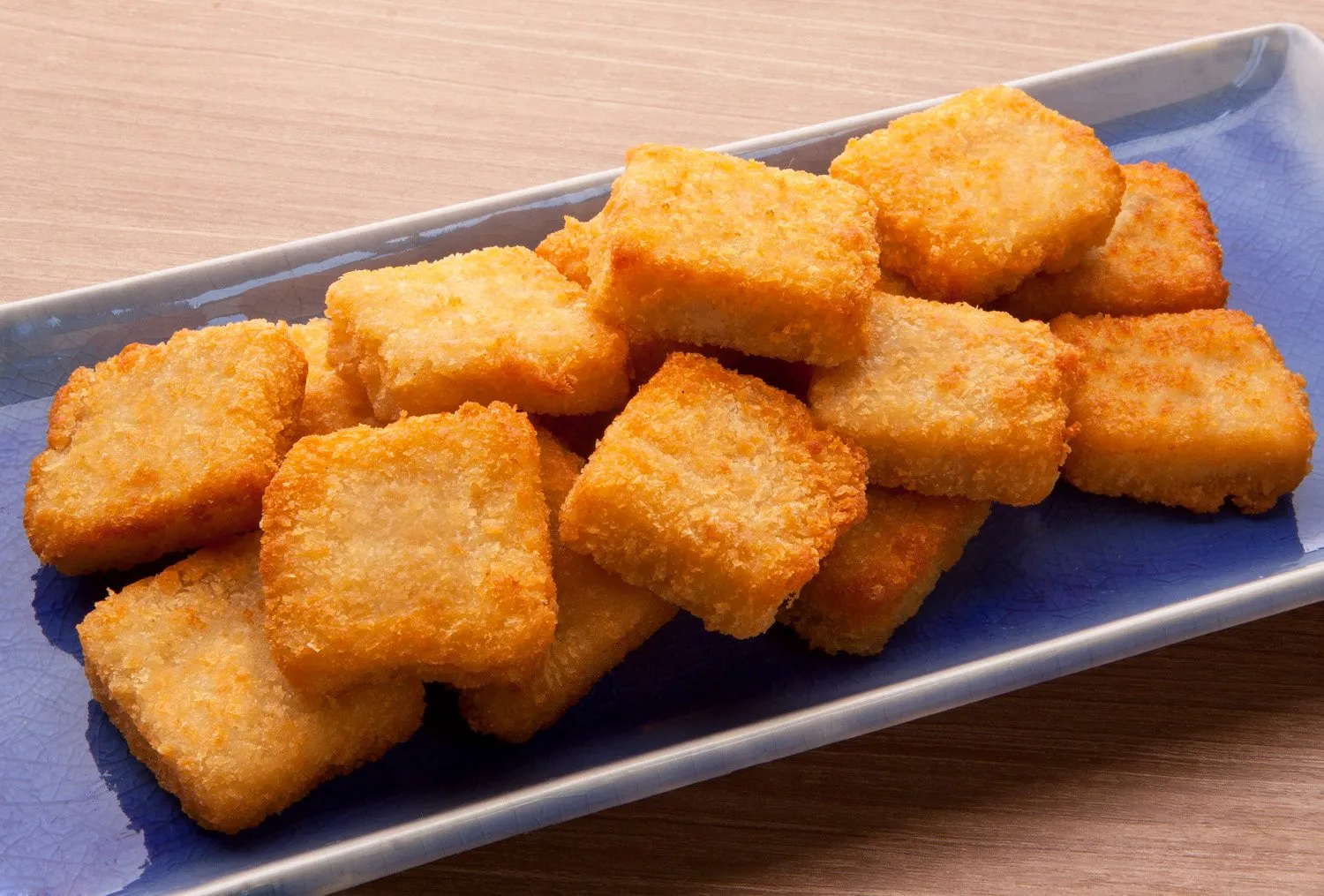
Ingredients:
- 3-5 bite-sized pieces of sea bass
- 1/2 cup wheat flour or breadcrumbs
- 1 chicken egg
- Oil for frying
Method:
- Wash the prepared sea bass thoroughly and check carefully that no bones remain.
- Beat the egg. Dip the sea bass in the egg to coat all over, then lightly coat with flour or breadcrumbs.
- Heat the frying oil over medium heat. Once hot, add the fish and fry until cooked and golden. Do not fry until hard and crunchy.
- Let the oil drain off, then cut into small pieces or divide into strips your child can pick up. Arrange on a plate and serve.
10. Spaghetti with Tomato Sauce
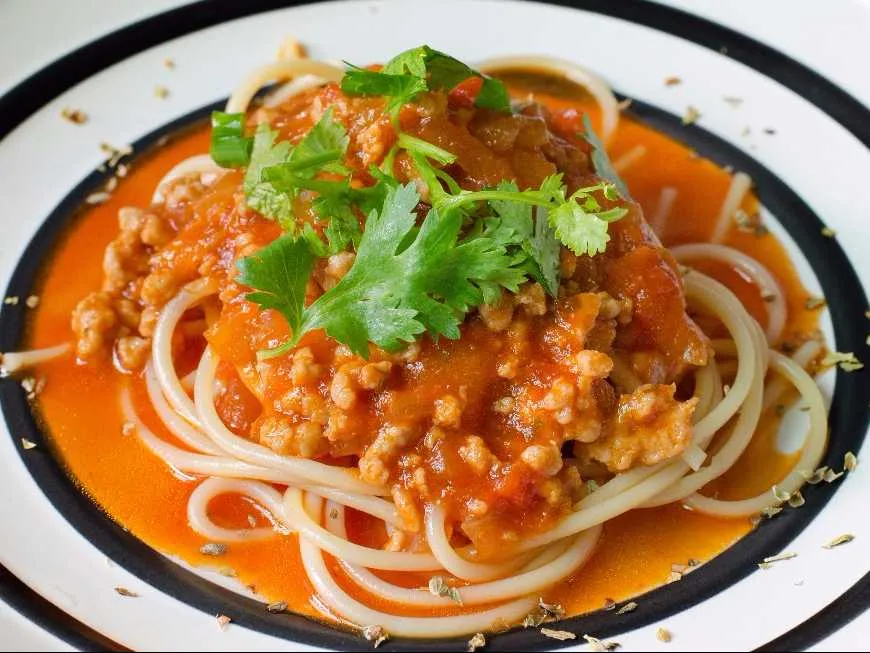
Ingredients:
- Spaghetti
- 1 onion, thinly sliced
- 1 fresh tomato
- Unsalted butter
- 1 cup minced pork
- An additional 1/2 cup chopped ripe tomatoes (instead of ready-made tomato sauce, which is high in sugar and salt)
- Vegetable oil
Method:
- Break the spaghetti into shorter lengths and cook in boiling water without salt for about 10–12 minutes. Stir occasionally to prevent sticking. (Check the pasta as it cooks to see whether it is soft enough. Once ready, turn off the gas stove and set aside to cool.)
- Heat a pan over medium heat. Once hot, add a little vegetable oil, followed by the unsalted butter and sliced onion, and stir-fry.
- Once fragrant, add the minced pork and stir-fry until just cooked. Add all the chopped tomatoes and stir to combine.
- Simmer over low heat until the tomatoes break down into a sauce. No extra seasoning is needed, as the tomatoes and onion provide natural sweetness.
- Spoon the pork sauce over the prepared spaghetti and serve.
FAQs
What should a 1-year-old eat?Suitable food for a 1-year-old should be rich in protein, with options such as milk, eggs, and fish. Other nutrients essential for growth at this age include healthy fats, fiber, and calcium.
Can a 1-year-old eat sweets?Children should not be given foods containing added sugar or other sweet foods, as these may cause tooth decay and interfere with healthy growth.
Which nutrients should I look for when buying food?Choose fresh, protein-rich foods such as eggs, fish, chicken, pork, and dried beans. Avoid processed meats such as ham, sausages, and meatballs because they are high in sodium. When buying ready-made food, read the label and choose options with no added sugar and low sodium. Find more guidance from the NHS, and learn first aid for a choking child in advance in case your child chokes.