






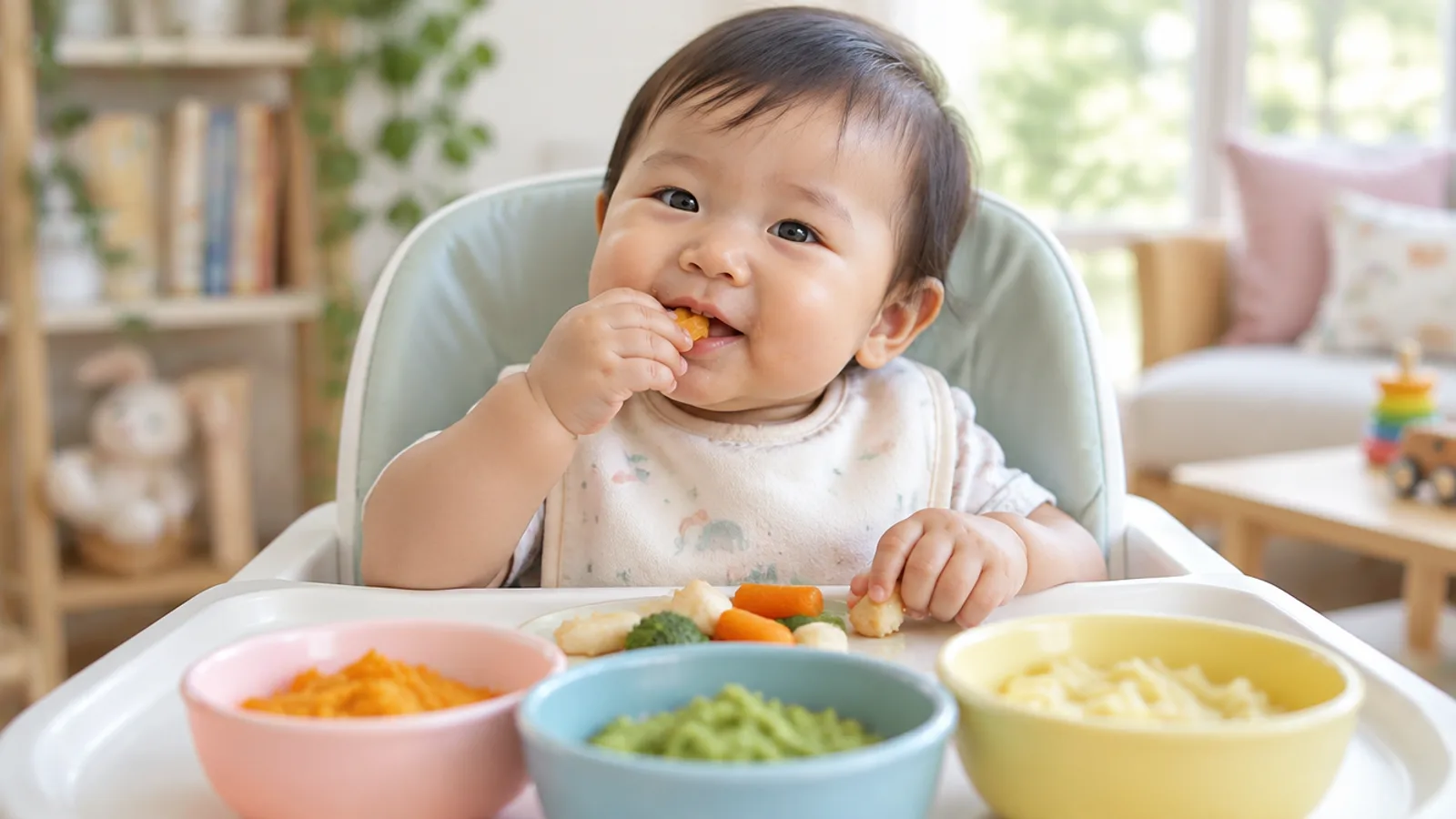
The period from birth to 1 year is important for a baby's physical development, especially the development of the brain and internal systems. Choosing suitable, nutritious foods is therefore extremely important. For parents of babies under 1 year, selecting appropriate meals helps ensure their baby receives enough of all the nutrients their body needs.
Choosing suitable meals for babies, especially those under 1 year, can be complex and challenging because their needs and ability to digest food vary. You therefore need to consider the food's texture and characteristics, whether it provides sufficient and balanced nutrients, and whether the ingredients are safe and clean.
You also need to pay attention to preparation time and correct cooking methods to prevent the loss of nutrients and food quality.
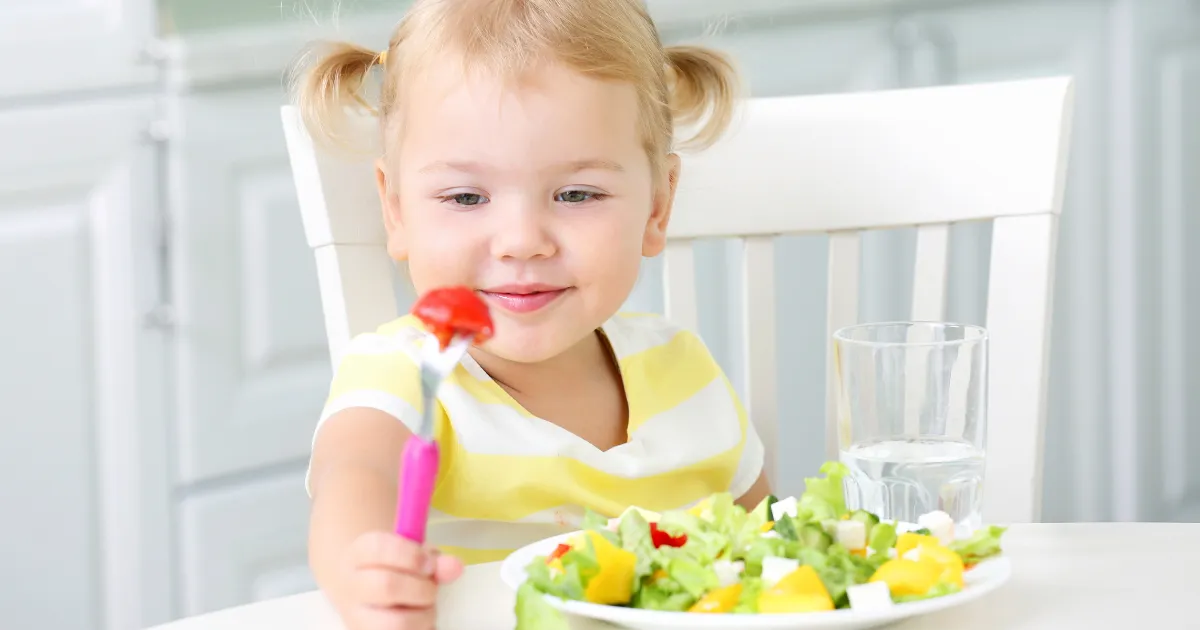
The Importance of Food from Birth to 1 Year
Food plays an important role in supporting growth and development from birth to 1 year. The World Health Organization (WHO) and Thailand's Department of Health recommend exclusive breastfeeding for the first 6 months, followed by complementary foods from 6 months alongside continued breastfeeding. This helps children receive the full range of nutrients needed for healthy growth and development.
An appropriate diet from birth to 1 year should provide protein, carbohydrates, fats, vitamins, and minerals. These can come from a range of foods, including vegetables, fruit, and animal-based foods. Suitable choices depend on the quantity and quality of the nutrients each food contains.
Choosing suitable foods helps children receive the nutrients they need and supports healthy growth and development. It also helps reduce the risk of various health conditions.

Food for Babies from Birth to 3 Months
From birth to 3 months, babies still need breast milk or infant formula to receive the energy and nutrients appropriate for growth and development at this stage. Breastfeeding is particularly important for their growth and good health during this period. There is no need to introduce complementary foods at this age because breast milk already provides sufficient, balanced nutrients.
Milk and feeding schedule for babies from birth to 3 months (see more details in the feeding schedule for babies from birth to 12 months):
| Time | Food |
|---|---|
| Every 2-3 hours | Breast milk or infant formula suitable for babies aged 0-6 months |
Note:
- At 3 months, babies should have breast milk or infant formula suitable for ages 0-6 months every 2-3 hours, with enough milk to meet their individual needs.
- Breastfeeding is important at this stage to provide nutrients suited to your baby's growth and the development of their immune system and brain.
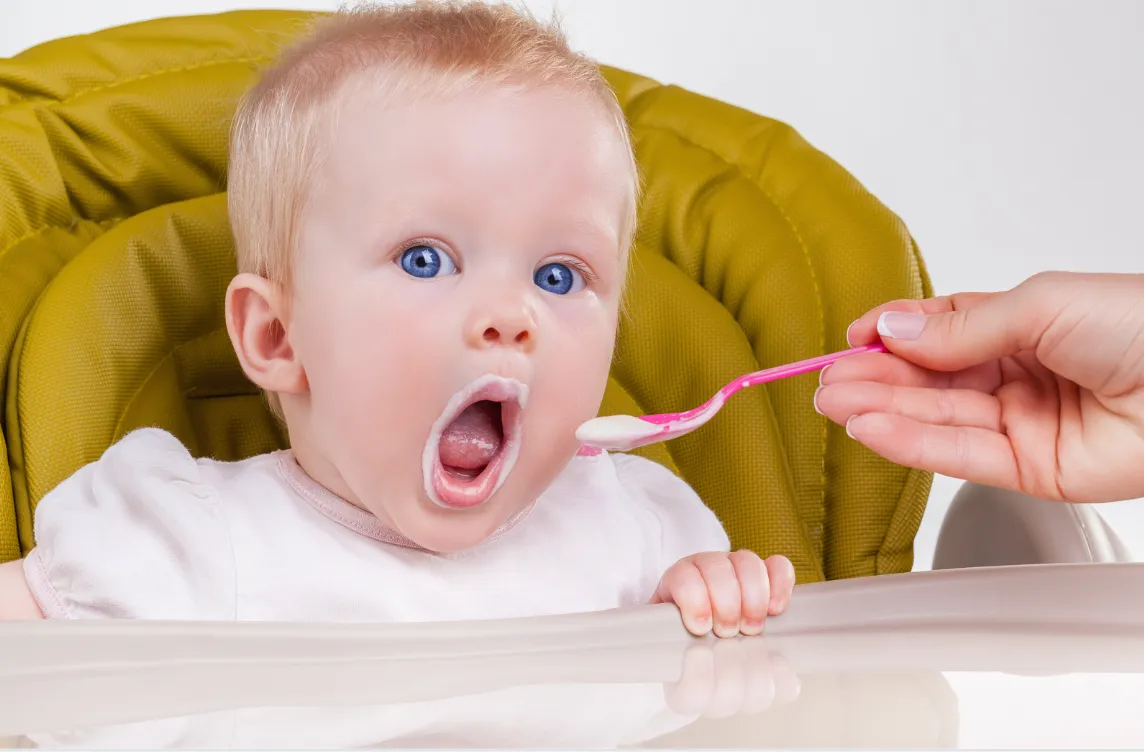
Food for Babies Aged 4-6 Months and Introducing First Foods
At 4–6 months, breast milk or infant formula still provides sufficient nutrients, so other foods and plain water are not yet necessary. WHO and Thailand's Department of Health recommend introducing complementary foods at 6 months. If a doctor recommends starting earlier for a specific reason, do not start before 4 months and follow the doctor's guidance. Signs of readiness include sitting steadily with support, good head control, an interest in food, and no longer pushing food out with the tongue (NHS).
Examples of first foods at around 6 months: start with one meal a day, offering 1–2 teaspoons at a time, then gradually increase:
- Finely mashed rice:
- Use softly cooked rice, finely mashed and mixed with breast milk or boiled water to reach a suitable, slightly thick consistency.
- Hard-boiled egg yolk, mashed liver, or mashed fish:
- Boil eggs until both the yolk and white are fully cooked. Mash the yolk into rice. Cook liver or fish until thoroughly done and soft, remove all fish bones, and mash finely.
- Mashed cooked vegetables, such as pumpkin, ivy gourd leaves, and carrot:
- Wash vegetables thoroughly, boil or steam until soft, then mash finely.
- Vegetable cooking water or stock for mixing with rice:
- Use vegetable cooking water or homemade stock without salt, fish sauce, soy sauce, stock cubes, or seasoning powder.
- Ripe fruit, such as Nam Wa bananas, papaya, and mango:
- Mash finely and offer as a snack or mix into mashed rice.
Caution: Do not add salt, sugar, or honey to baby food (never give honey before 1 year), and do not give fruit juice to babies under 6 months. Introduce one new food at a time, 3–5 days apart, to watch for allergic reactions such as a rash, vomiting, or diarrhea. If symptoms occur, stop offering the food and consult a doctor. For more meal ideas, see food ideas for 6-month-old babies.
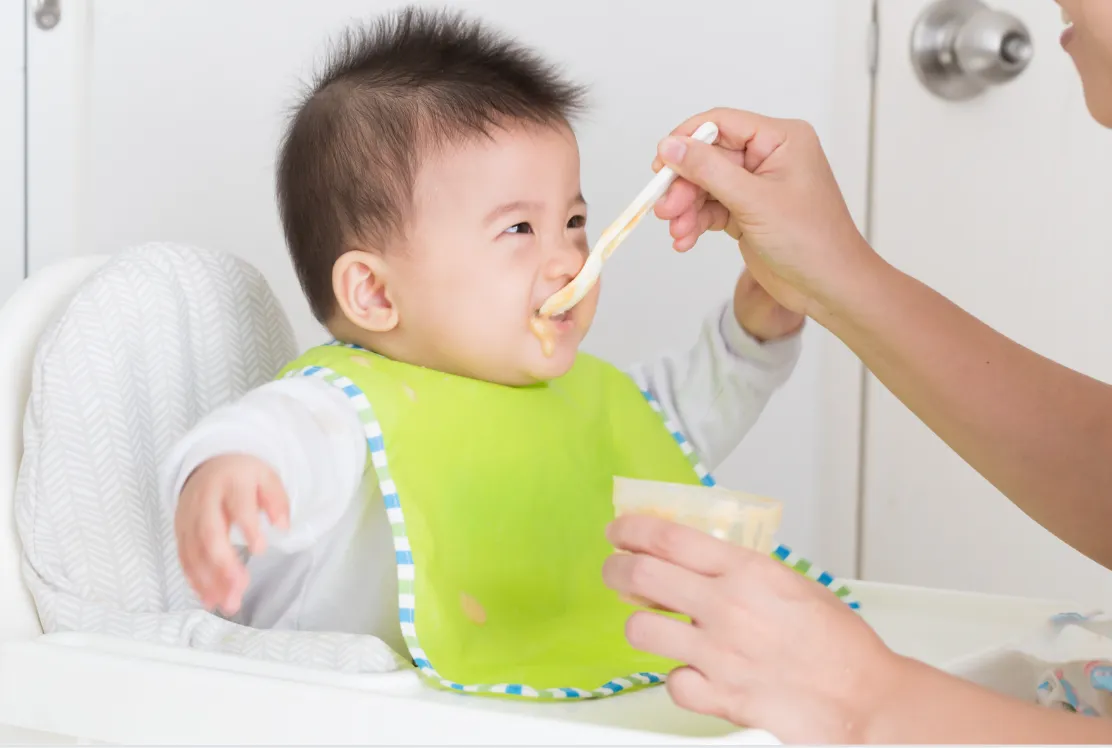
Food for Babies Aged 6-8 Months
At 6-8 months, babies begin eating complementary foods to meet their increasing nutritional needs, especially for iron, alongside breast milk or infant formula. You can offer the following foods, gradually increasing their texture:
- Rice cooked until soft:
- Cook rice until soft and mash finely, then gradually mash less finely once your baby can swallow comfortably.
- Vegetables cooked until soft and finely mashed:
- Examples include carrots, broccoli, potatoes, pumpkin, and ivy gourd leaves.
- Choose vegetables that become soft when cooked, are easy to digest, and can be finely mashed.
- Finely mashed ripe fruit:
- Examples include bananas, ripe papaya, or apples and pears steamed until soft before mashing.
- Ripe fruit provides babies with vitamins and fiber.
- Mashed cooked meat and eggs:
- Examples include hard-boiled egg yolk, liver, chicken, or fish with all bones removed, which are good sources of protein and iron.
- Breast milk or infant formula:
- This remains the main source of nutrition alongside complementary foods. At this stage, offer complementary foods 1–2 times a day, following your doctor's advice.
Note:
- Offer these foods alongside breast milk or infant formula, which remains the main source of nutrition.
- When preparing food, consider your baby's digestive readiness and food safety at this age.
- Consult a doctor or nutrition specialist for further guidance and suitable ways to prepare complementary foods for babies aged 6-8 months.
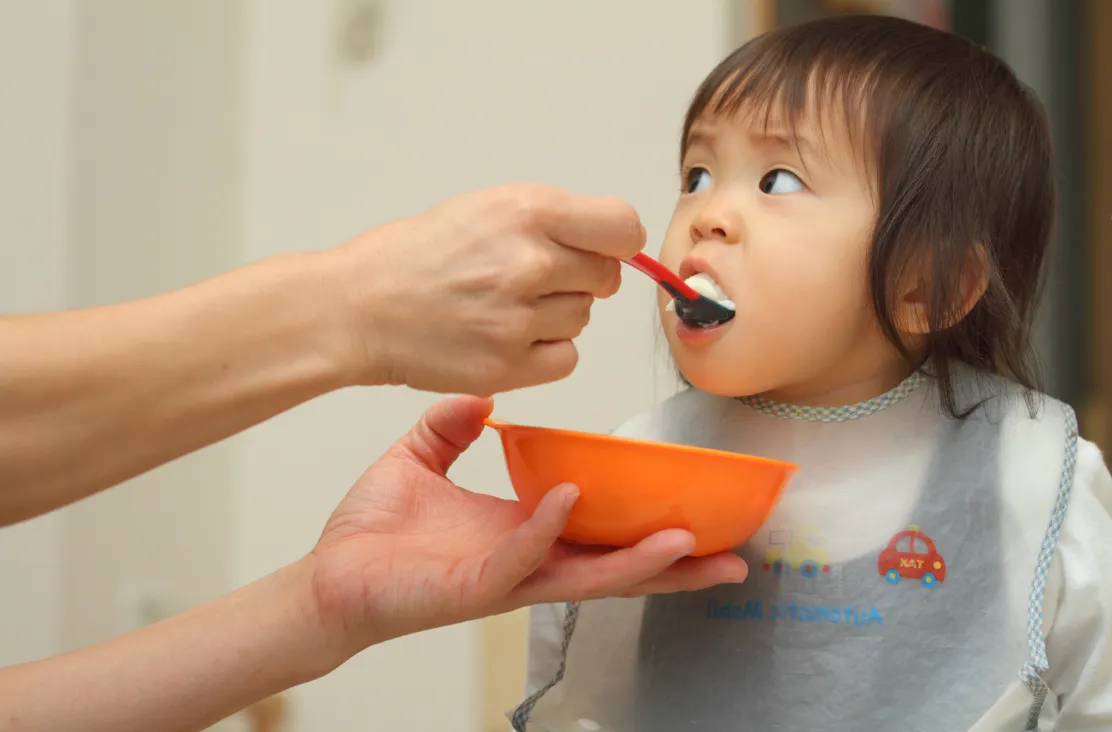
Food for Babies Aged 8-12 Months
At 8-12 months, babies begin eating a wider variety of foods and can try foods similar to family meals. At this stage, offer a varied diet while considering their digestive readiness and food safety.
10 Homemade Meal Ideas for Children Aged 1 Year and Up
Here are some example meals you can prepare for babies aged 8-12 months:
- Mashed rice with egg yolk and ivy gourd leaves:
- Cook 4 tablespoons of cooked rice with approximately half a measuring cup of stock or clear soup.
- Stir together, add the egg yolk, and mash it into the rice.
- Add ivy gourd leaves that have been cooked until tender.
- Mix together and spoon into a bowl. Finish with a drizzle of vegetable oil to help with the absorption of fat-soluble vitamins.
- Mashed rice with chicken liver, tofu, and sweet leaf greens:
- Boil 4 tablespoons of cooked rice and mash until fairly fine.
- Make a clear soup with ¼ tablespoon of chicken liver, 2 tablespoons of egg tofu from a tube, and 1½ tablespoons of sweet leaf greens.
- Mix everything together, and it is ready to feed your baby.
- Mashed rice with short mackerel and pumpkin:
- Bring the stock to a boil, add the rice, and cook until well combined.
- Add steamed short mackerel with all bones removed and the flesh finely flaked, then cook.
- Stir together and add mashed steamed pumpkin, mixing it with the other ingredients in the pot.
- Stir until well combined, then spoon into a bowl.
- Slow-cooked rice with carrot, chicken, and sweet potato:
- Cook moderately thick, slow-cooked rice with stock. Adjust the amount of stock as needed.
- Add cooked chicken breast shredded into small strands, mashed cooked carrot, and mashed cooked sweet potato.
- Simmer gently until combined.
The stock used in all these meals should be unseasoned. At this stage, your baby can start sitting at the table for meals. Using a high chair with a harness helps your baby sit upright and swallow more safely. For more meal ideas, see food for 7-month-old babies.
Tips for Choosing and Preparing Baby Food
Choosing and preparing baby food is very important because babies' digestive systems are still developing. Choose foods that are suitable and safe for your baby, following these recommendations:
1. Suitable Foods
From birth to 6 months, babies mainly have breast milk or infant formula. Once complementary foods are introduced, offer a variety of rice, meat, eggs, liver, vegetables, and fruit to support good health and appropriate growth.
2. Preparing Food
Before preparing baby food, wash your hands thoroughly and get your utensils and equipment ready, such as spoons, forks, plates, and pans. Choose good-quality equipment that is safe for babies.
Use cooking methods that are suitable and safe for babies. Avoid methods that may pose a risk, such as frying or heavily seasoning food. Instead, boil, steam, or simmer food until thoroughly cooked.
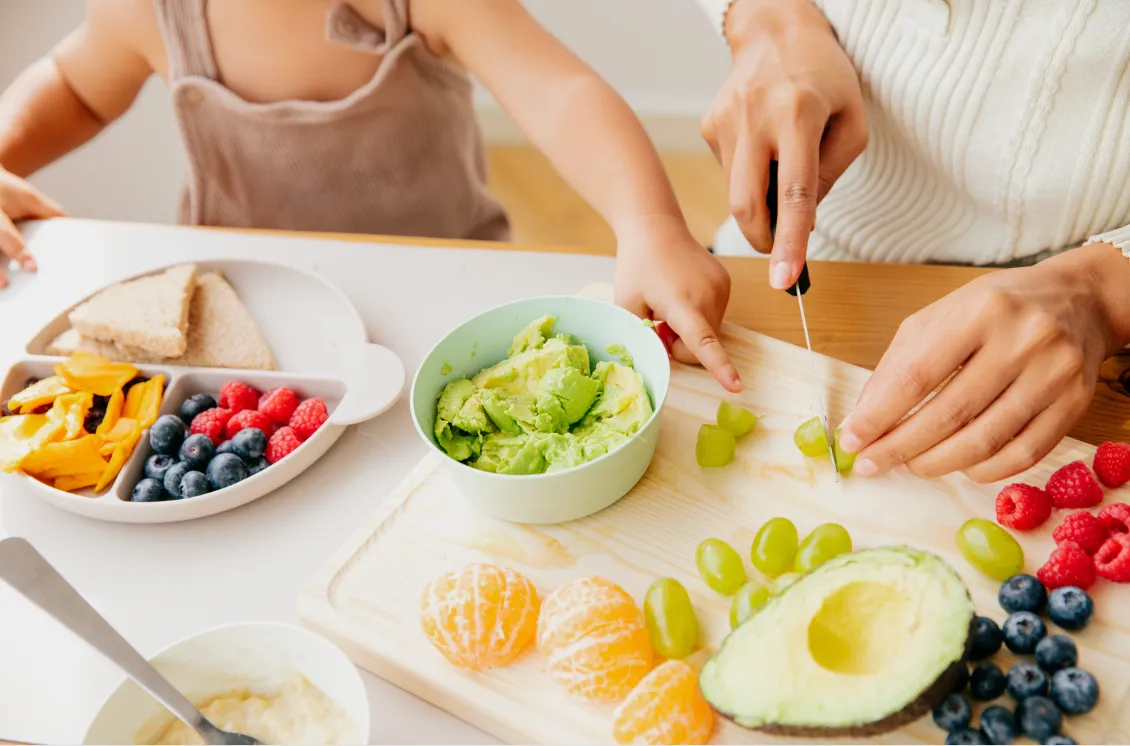
Caution: Small, hard, or round foods, such as whole nuts, whole grapes, and corn kernels, pose a choking risk. Mash them or cut them into small, soft pieces. Keep your baby sitting upright while eating and supervise them at all times. If food blocks their airway, call 1669 and learn age-appropriate first aid in first aid for a choking child.
Conclusion
The period from birth to 1 year is important for a child's brain and physical development. Choosing suitable meals at this stage is therefore essential, particularly foods that provide sufficient nutrients for growth and are easy for your baby to eat.
Suitable Foods from Birth to 1 Year
- Breast milk or infant formula
- Complementary foods containing meat, such as chicken or fish
- Brightly colored vegetables and fruit, such as cucumber, papaya, and oranges
- Rice and starchy foods, such as mashed cooked rice, brown rice cooked until soft, and rice porridge
- Fully cooked eggs and plain, unsweetened yogurt (from around 6 months)
Foods to Avoid
- Cow's milk as the main drink before 1 year, because it is difficult for babies to digest and contains little iron
- Honey (never before 1 year), foods with added sugar or salt, and seasonings
- Foods containing chemical additives, artificial colors, or artificial flavors
- Hard or round foods that pose a choking risk, such as whole nuts and whole grapes (NHS)
Food for babies from birth to 1 year can be prepared easily at home using ingredients already in your kitchen or bought from convenience stores. Options include mashed rice, rice porridge, slow-cooked rice, and mashed cooked vegetables or ripe fruit. Boil, steam, or simmer without seasoning. Wait until your child is older and can chew well before offering stir-fried or fried foods.