






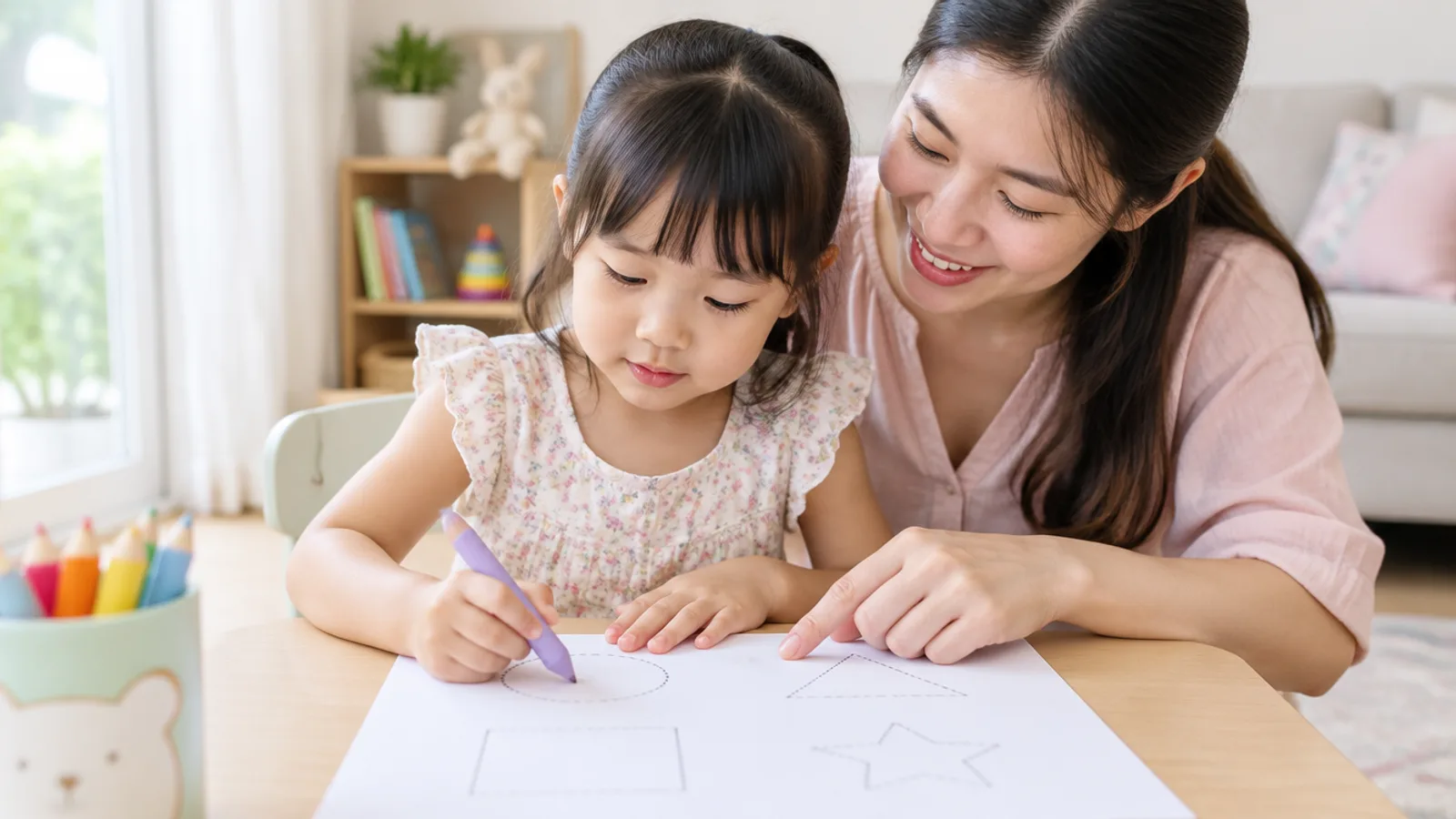
Love, play, learn!
At Hape, we have a clear view of the role play has in children's development. Play is the key to discovering the world and a way to spark children's creativity, opening the door to valuable lifelong learning, including learning to write.
Many people assume that learning to write begins at school. But did you know that children can start preparing for writing through play before they begin school? Play helps develop children's language, thinking and hand skills (HealthyChildren.org).
Of course, everyone needs to be able to read and write. These skills are essential for school, work and everyday life, even for filling out forms. Let's help our children get an early start with writing.
1. Drawing Is a Child's First Piece of Writing
Start by encouraging your child to draw.

Children can draw from a young age. Making lines on paper encourages hand movement and helps children develop motor control. It also supports hand-eye coordination and strengthens their finger muscles, making it a good foundation for writing (learn more: the benefits of coloring).
Their first attempts at writing may not be words, but drawing gives children opportunities to plan, brainstorm and develop new ideas. As children draw, they begin telling stories and talking about their pictures. Asking and answering questions about your child's drawings will guide them toward writing and reading.
You can also encourage children to write something about their pictures using simple letters and words. They could give their drawing a title. For example, if they draw a beach scene with a theme of sandcastles on a Sunday, they might use those words as the title because they relate to the picture. This helps children remember words and learn to match them with pictures, understanding what they represent.
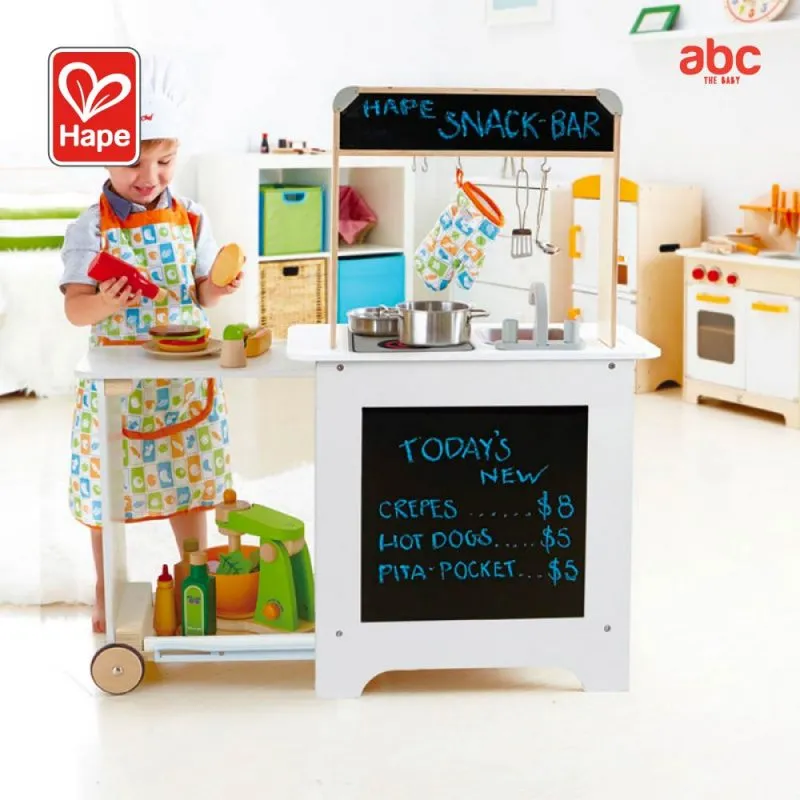
If your child needs some encouragement to start drawing, offer a blackboard and colorful chalk, or a toy with space to write or draw, such as the Cook ‘n Serve Kitchen. Children can draw on the toy's blackboard, perhaps pictures of food or menus related to cooking (or choose another toy kitchen with a board for drawing and writing).
2. Practice Recognizing Letters
The next step in learning to write is recognizing letters. You can support this by encouraging your children to write their names, using colors to help them remember. Learning letters can be enjoyable, and children can also start practicing writing family members' names.
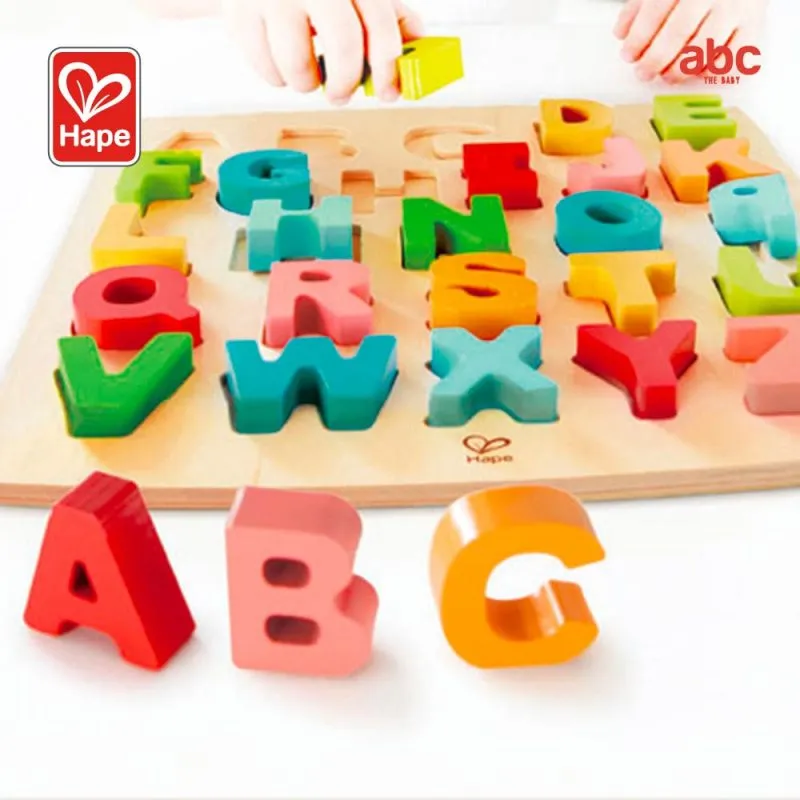
- Another fun way to learn letters is to use alphabet puzzles, placing each letter into its matching space. (See examples of wooden number and alphabet puzzles.) This helps children remember shapes through touch, using simple English letters as a first step toward reading and writing.
Once children have developed enough motor control to hold pens and pencils, you can offer letter shapes for them to trace. You can also adapt this activity and combine it with other matching games as appropriate.
3. Build Hand Strength Through Activities at Home
Did you know that writing skills can be practiced in the kitchen? Kneading dough to make a cake together at home or using blunt-tipped scissors to cut gift-wrapping paper (with close adult supervision) are fun ways to teach children to control their fine motor movements.
Writing is an academic skill that takes time to practice. This long and complex process can become easier and more enjoyable through play. Try adapting the ideas we have shared for your children at home.
Who knows? Playing together while drawing pictures and writing words could be the beginning of a future bestselling author's journey!
If you are looking for a great developmental toy, ‘Hape’ is a good choice. We offer a wide range of wooden toys that support children's development at every age.
Thoughtfully designed with children's learning in mind, these toys help children practice important skills such as seeing, listening, observing, using fine motor skills, solving problems, imagining and creating. They also support integrated academic learning through STEAM.
With sturdy designs and durable materials, the toys focus on supporting children's development while making safety a priority. They use non-toxic paints and FSC-certified wood. Their durability gives them a long useful life and makes them environmentally friendly.
These qualities have helped Hape become a global wooden toy brand and earn toy awards from many competitions around the world, with toy quality and safety standards as its main priorities.
It is easy to see how Hape wooden toys can enrich these activities and help keep little ones away from screens.
What matters most is sharing happy moments as a family, because wherever there is love, there is a complete home! What activities do you and your child enjoy together? 😁
Hape Thailand
Love Play Learn
🌐: Browse all products All Hape toys
Follow the latest news and special offers FB : Hape Thailand