







5 Easy Tips for Fun Playtime with Your 12–24-Month-Old
A child's growth is wonderfully complex, and every child has a different developmental starting point. As parents, we need to pay attention to the skills each child needs help developing. Fortunately, much of babies' and young children's early development comes through play. That is why playing with your child matters.
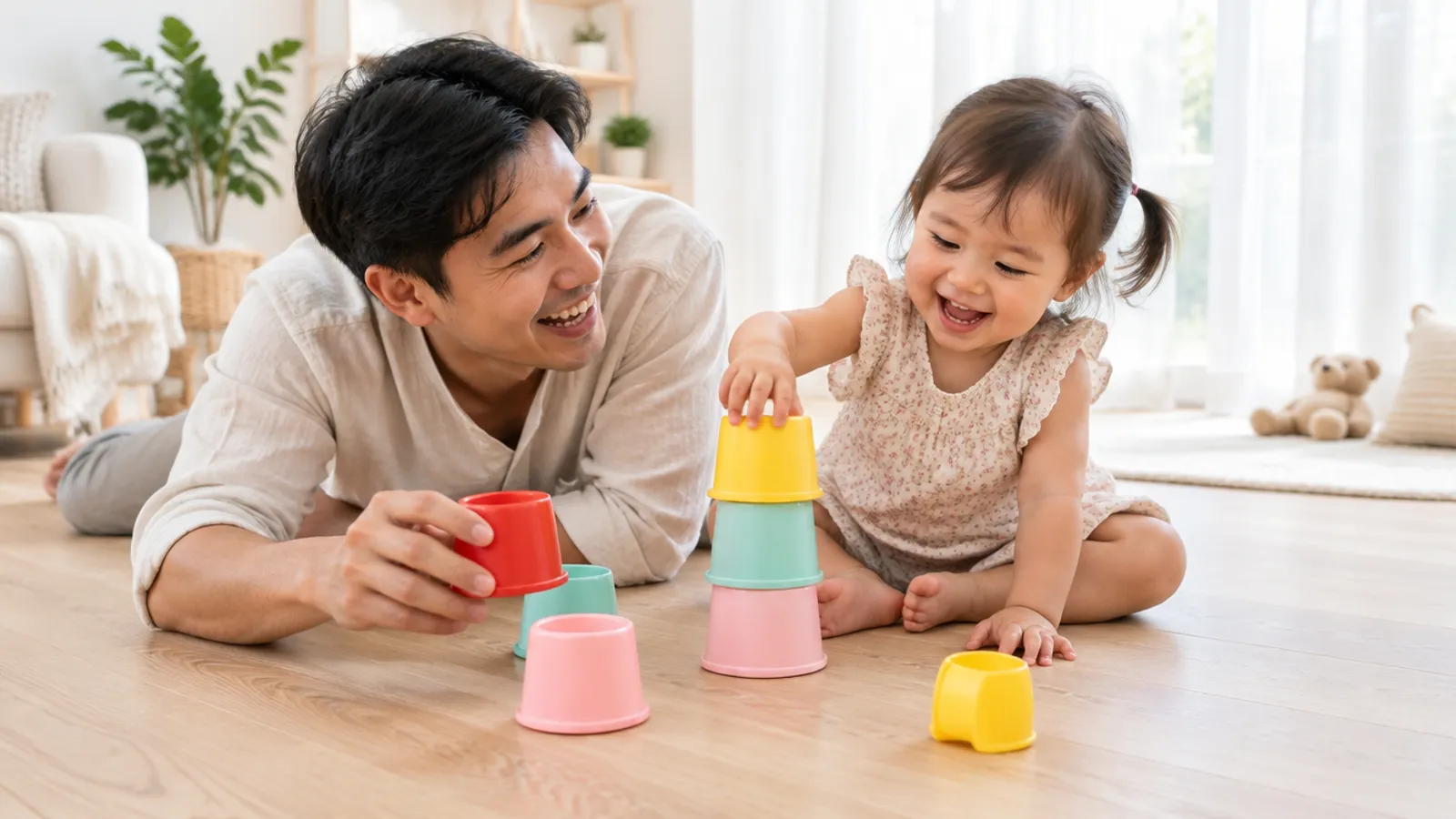
Playtime is a little piece of heaven for children, and it is important for their development too (the AAP explains how play helps children thrive). It is how they learn about the world around them, try new skills, explore their imagination and creativity, and build confidence and relationships with others.
As a parent of a young child, even 24 hours can feel too short to get everything done, so finding time to focus on playing together can be difficult. It may take a little effort to spend at least half an hour a day playing with your child. Although that may not seem like much, quality time is important at this age, helping children feel loved and develop self-respect.
So how can you make playtime exciting and help your little one get the most out of it? Try these five tips.
1. Let your child lead
Let your little one's interests inspire the objects and toys you put out, then watch how they explore them. What matters is that these items capture their interest.
Whenever possible, start by encouraging open-ended play without a fixed structure. Give your child the freedom to play with toys however they like. It is fine if they do not follow the toy's intended use. Let them learn through trial and error in their own way.
If unstructured play does not come naturally to you because you find it hard to follow your child's imagination, place an interesting toy, such as an activity box, nearby and see what they do with it. Explore more options in toys for 1-year-olds.
These toys are especially suitable for toddlers because they have plenty of features to explore in different ways. Children can move balls and blocks and navigate mazes from one point to another, while the colors make those movements more fun. The Take-Along Activity Box even includes a child-friendly mirror to reflect their smile.
2. Bring out your inner child
If you cannot resist correcting the way your child plays, that is understandable. You can demonstrate how to use a toy, but avoid taking over or correcting every attempt. When helping your child build a wooden block tower, choose a square block for a stable base, then let them try stacking the rest themselves. Keep your frustration in check if they make a few mistakes. Help build their confidence with the fun 101 pcs Blocks! Give your imagination more room and lower your expectations of perfection, and building with blocks together will become more enjoyable.
Young children often repeat words, and this is an important part of learning. When they do something well, they enjoy moving on to the next step with a sense of achievement, while learning new skills along the way.
3. Describe what your child is doing
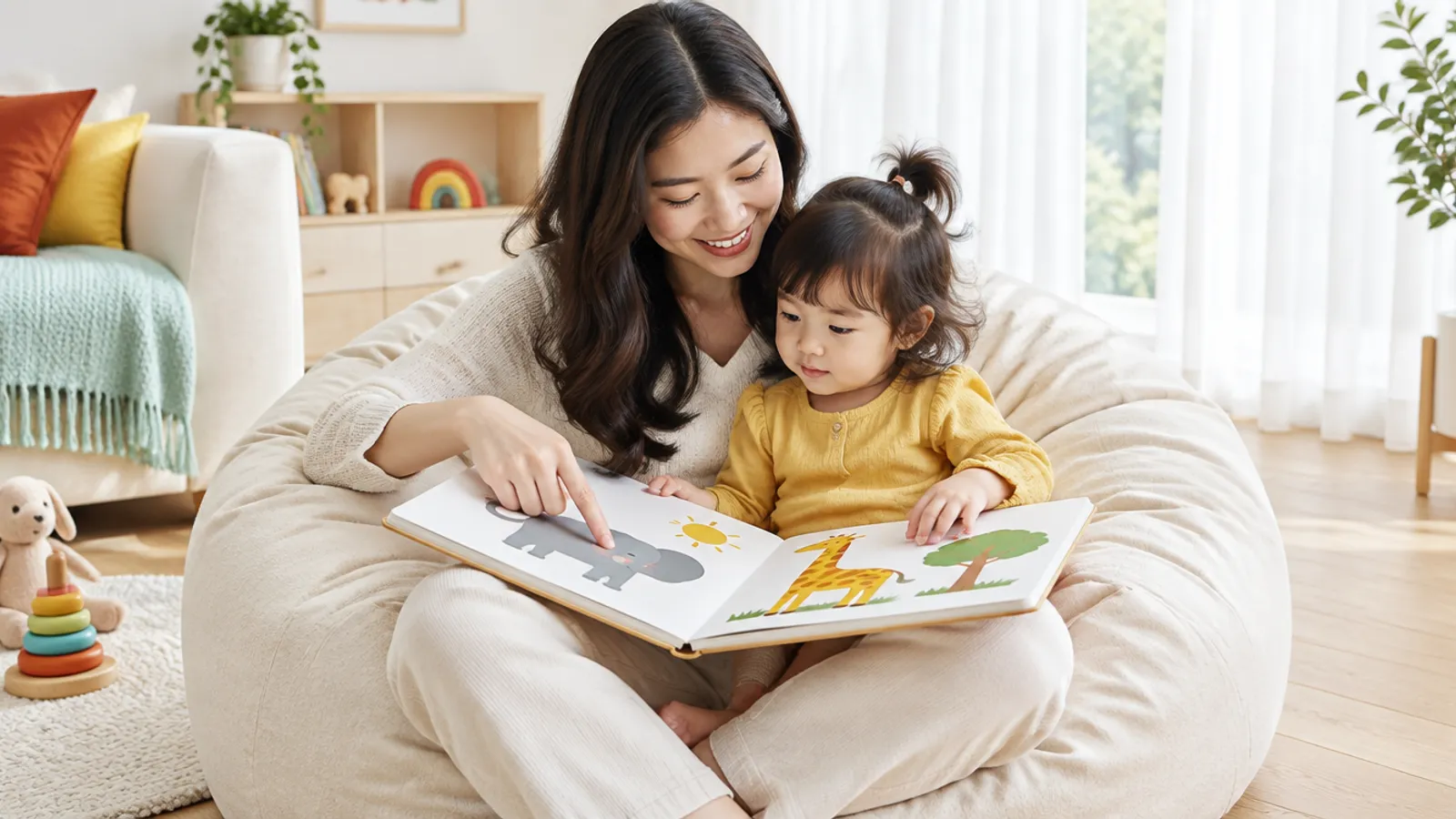
Talk about your child's actions in as much detail as you can, like a sports commentator. This shows that you are truly interested in what they are doing and also teaches toddlers important language skills. Describing their simple actions encourages them to learn new words (read more: 7 Ways to Encourage Your Child to Talk).
4. Watch your child closely
Can you tell when your child is getting tired? Your little one may not be able to tell you in words, but when frustration sets in, their sounds, facial expressions, and body language may show that they are becoming fussy. Reading these physical signals helps you know when to change activities or switch to a different kind of play. A cheerful tune may help lift their mood. If your child seems distressed during playtime, you can also take them somewhere quiet for a relaxing break.
5. Add a little more challenge each time you return to an activity
After a break, young children may not want to return to playing straight away, so there is no need to rush them. When your child is ready, offer one toy at a time, then gradually add more pieces to make the activity more challenging.
During play, children gradually practice overcoming challenges. When they manage to do everything, they gain a sense of empowerment. The more they practice, the more opportunities they have to develop new skills.
For sequencing activities, consider how easy or difficult the pieces are to handle. Matching, sorting objects by one or more shared characteristics, and understanding patterns are wonderful things for toddlers to learn through play. Your involvement helps make the experience fun too!
The Shake and Match Shape Sorter helps children start handling wooden blocks. As they play, you can demonstrate how to drop the blocks into the hexagonal wooden box without directing every move, even when they choose the right piece but try the wrong opening. This gives them a goal to work toward through everyday play. By sorting these shapes, children learn to recognize them and successfully match them to the openings once they understand the connection between each shape and its corresponding hole.
Safety note: Children aged 1–2 still like putting objects in their mouths. Choose toys labeled for your child's age, with no small parts that can come loose, and have an adult present throughout playtime, as small objects pose a choking risk (HealthyChildren.org).
Most importantly, when you have fun, your child will too. To discover more benefits of building with blocks, read How Wooden Blocks Help 1–2-Year-Olds Learn Mathematics.
You can be your child's special playmate. Half an hour a day is enough to give you a chance to see them grow.
Parents and caregivers, enjoy playing together!
If you are looking for a great developmental toy, Hape toys are a good choice, with a wide range of wooden toys that support children's development at every age.
Thoughtfully designed around how children learn, these toys help them practice important skills such as seeing, listening, observing, fine motor control, problem-solving, imagination, and creativity. They also encourage integrated academic learning through STEAM.
Their durable designs and materials focus on supporting children's development while making safety a priority. They use non-toxic colors and FSC-certified wood. Their sturdy construction provides a long lifespan and is environmentally friendly.
Hape is therefore a global wooden toy brand that places importance on toy safety standards and environmentally conscious manufacturing.
That makes Hape wooden toys an easy addition to activities that help keep little ones away from screens.
What matters most is sharing happy moments as a family, because wherever there is love, there is a complete home! What activities do you enjoy with your child? 😁
Hape Thailand
Love Play Learn
🌐: Browse all products /hape-brand-page
Follow the latest news and special offers FB : Hape Thailand