







What Is Handedness?
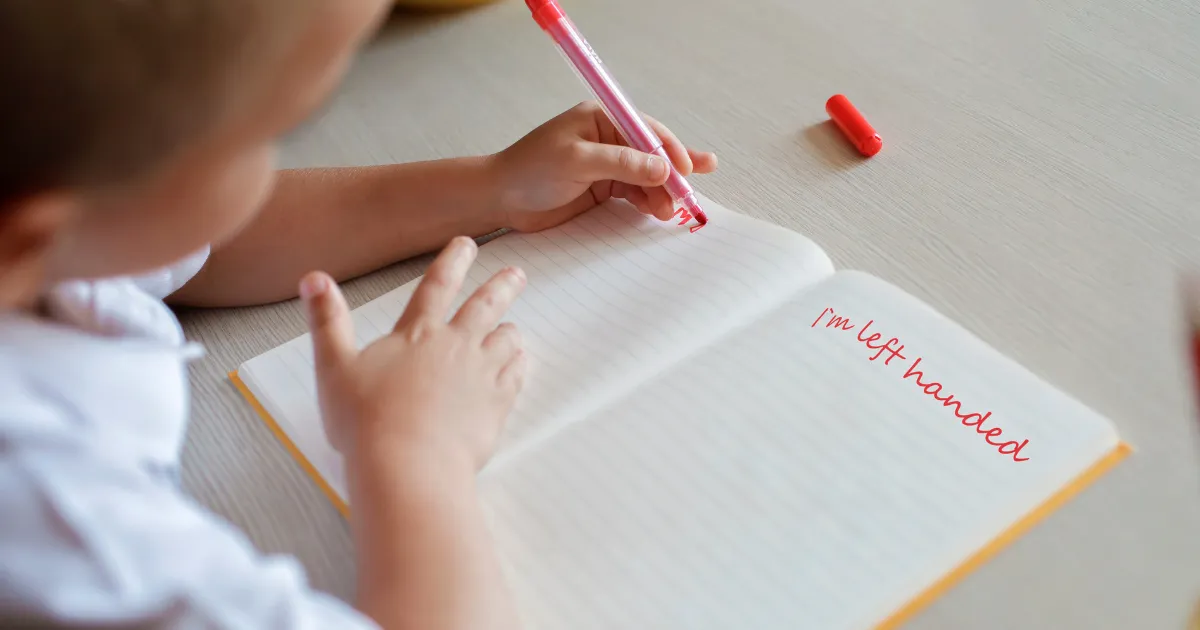
Handedness is a preference for one hand over the other for activities such as writing, eating and other tasks. Most people favor the right hand, while a smaller number favor the left. Choosing the hand that feels comfortable for different activities is part of what creates these differences. Children generally begin showing a hand preference during toddlerhood, with handedness becoming clearer and more consistent between preschool and early primary school.
Is Being Left-Handed Wrong?
The immediate answer is no. Parents can be reassured that left-handedness is not abnormal. It is a common variation in the population. Some people prefer the left hand and are called left-handed, while most prefer the right and are called right-handed. Right-handed use has simply become a major social standard because more people find it convenient.
https://youtu.be/Sx0xUn2m2bQ?si=1kkAladOwqs59rObShould I Encourage My Left-Handed Child to Switch to the Right?
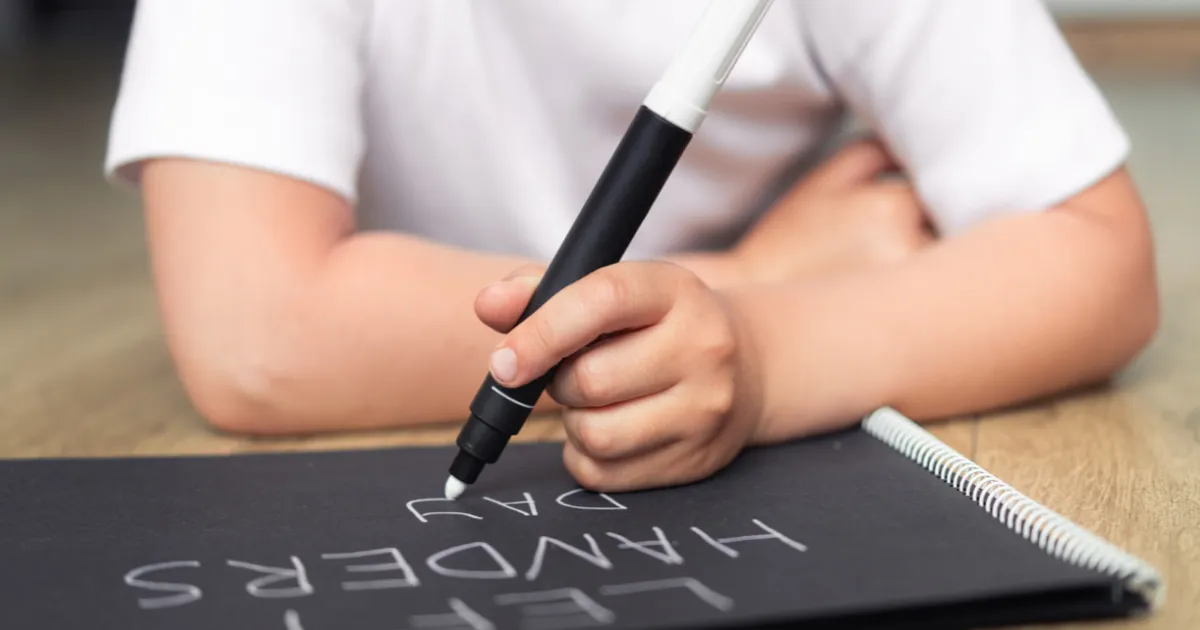
There is no need to make a left-handed child become right-handed. Either preference is normal and reflects diversity in the brain and body. Forcing a child to use the right hand can cause confusion and discomfort. However,
if a child has difficulties using the left hand, such as unclear handwriting or adapting to situations that require the right hand, you can help develop skills with the right hand too. Changing the dominant hand may not be the right answer for everyone.
Parents can adapt tools and surroundings for left-handed use: choose left-handed scissors, seat your child on the left side of the dining table to avoid bumping elbows, tilt paper slightly to the right for writing, and build fine motor skills through play such as coloring or writing activities. The priority is helping a left-handed child develop skills with their preferred hand happily and confidently.
Are Left-Handed Children More Intelligent?
You may have heard that left-handed children are smarter, but intelligence is not determined by which hand a child prefers. Left-handed children can be just as intelligent as right-handed children. Intelligence depends on many factors, including family support, good education, cognitive and learning skills, social background and environment. Equal intelligence across handedness is entirely normal.
What Are Left-Handed Children Good At, and How Can You Support Them?
There is no clear evidence that left-handed children are better at art or more creative than right-handed children. Individual ability depends more on interests, practice and family support. Encourage what your child enjoys, for example:
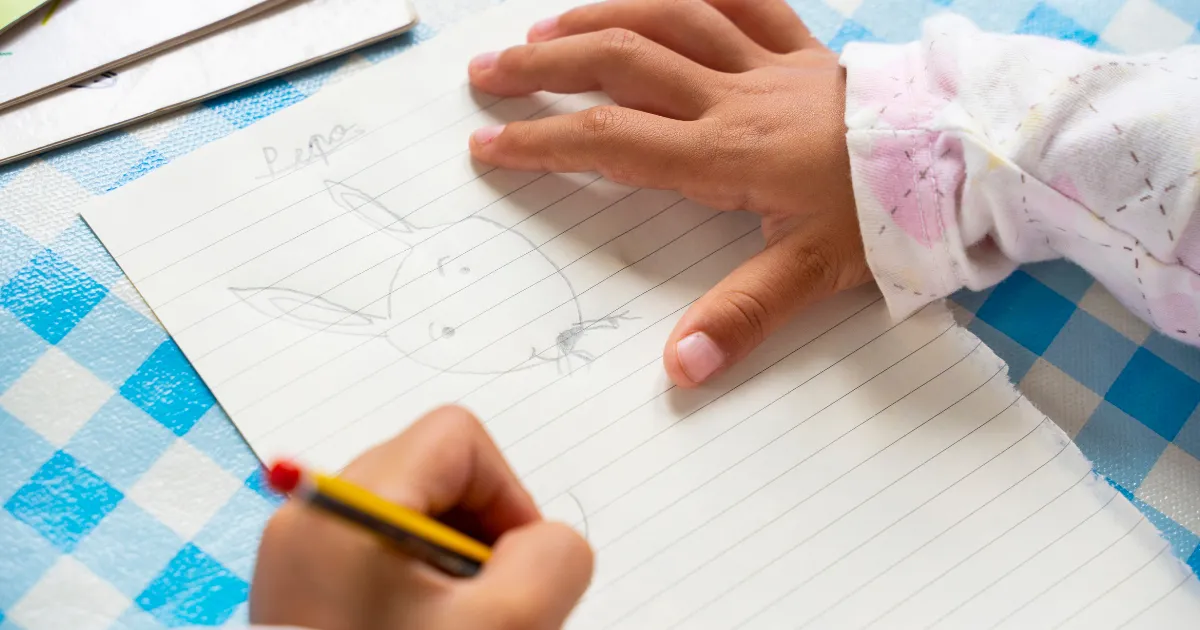
Art and creative work: If your child enjoys drawing or crafts, provide tools that are easy to use left-handed, such as left-handed scissors and quick-drying colors that will not smear as the hand moves across the page.
Sports: In sports involving direct opponents, such as tennis, badminton and baseball, the proportion of left-handed professional athletes is higher than in the general population because most opponents are less used to playing against them (information compiled by Wikipedia).
Problem-solving and creativity: Invite your child to play with building blocks, puzzles or problem-solving games. These support every child's development, regardless of their dominant hand.
Important: Most babies still alternate between both hands. If a baby younger than around 1 year strongly favors one hand or barely uses the other, it may indicate weakness in that hand or arm. Consult a pediatrician.
Conclusion
ABC the Baby hopes this article reassures parents who wonder whether left-handedness is wrong or whether to encourage a switch. Around 90% of people are right-handed and around 10% are left-handed (figures compiled from handedness research). Your child's left-handedness is a natural preference, not an abnormality.