






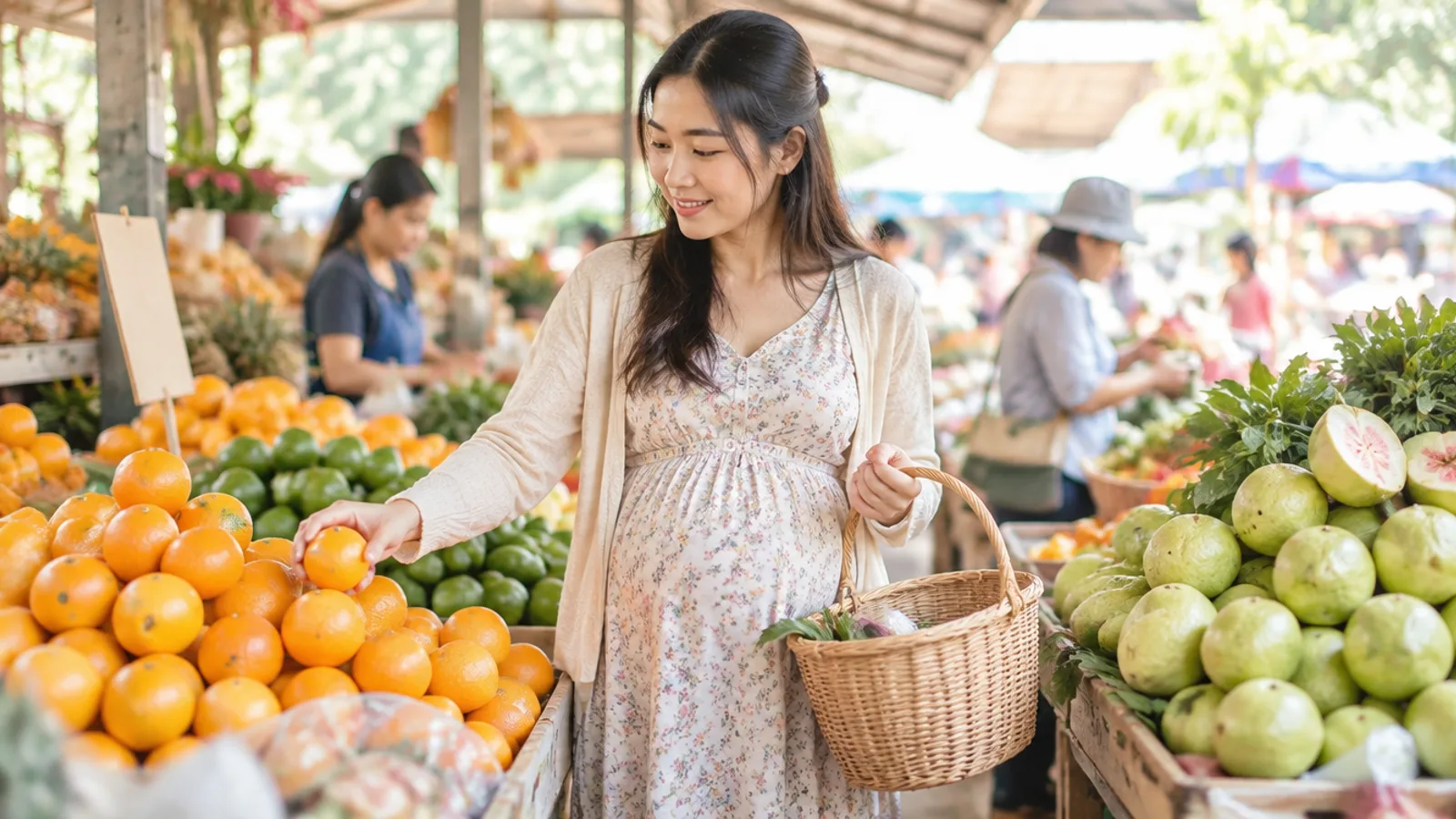
Choosing fruit to eat during pregnancy is very important because the nutrients it provides can greatly affect both your health and your baby's.
Here, we introduce fruits to eat and fruits to avoid to support your health and your baby's.

Fruits to Eat During Pregnancy
Fruit can be part of a varied pregnancy diet. Most fruits are suitable when washed, prepared and stored safely; portion advice may differ if you have gestational diabetes or another medical condition.
Here are some fruits suitable for pregnancy:
| Fruit | Nutritional Benefits |
|---|---|
| Bananas | Contain folate, potassium and fiber. They are easy to eat and support digestion. |
| Apples | Contain fiber and vitamin C and help with bowel movements. Wash the skin thoroughly before eating. |
| Watermelon | Provides fluid and some fiber as part of a varied diet; it should not be treated as a way to prevent digestive diseases. |
Most fruits can be eaten during pregnancy if they are fresh, clean and part of a varied diet. For more options, see our checklist of fruits for a healthy pregnancy.
These are just a few examples of fruits suitable for pregnancy. If you have any health issues or concerns, contact your doctor or a nutritionist for further advice.

Fruits to Avoid or Limit During Pregnancy
In fact, very few fruits are strictly "off-limits" during pregnancy. However, there are some situations in which you should avoid them or eat only small amounts for your safety and your baby's.
| Type of Fruit | Reasons to Avoid or Limit It |
|---|---|
| Unripe or partly ripe papaya | Concerns about latex in unripe papaya come from limited evidence and do not establish the risk from ordinary servings in humans. If you are unsure about unripe papaya, ask your maternity clinician; ripe fruit can form part of a varied diet. |
| Very sweet fruits, such as durian, longan, jackfruit, rambutan and mangosteen | High in sugar and calories. Eating too much may cause rapid weight gain and high blood sugar, particularly if you have gestational diabetes. Eat small portions at a time. |
| Unwashed fruit or cut fruit stored in unhygienic conditions | May contain soil, germs or chemical residues. Always wash fruit thoroughly before eating, and choose freshly cut fruit. |
| Unpasteurized freshly squeezed fruit juice | Untreated juice may contain harmful bacteria. Choose juice labeled pasteurized or otherwise treated to kill harmful bacteria. Washing fruit and squeezing it at home does not provide the same treatment. |
As for pineapple, there is no evidence that eating normal amounts causes miscarriage. However, reduce your intake if it causes stomach irritation or heartburn. For advice on washing fruit and vegetables during pregnancy, see the NHS. For other foods to avoid, read what not to eat during pregnancy.
Fruits to Discuss With Your Doctor Before Eating
Some fruits may affect your health and your baby's. If you have a health condition or a history of allergies to certain fruits, consult your doctor before eating those fruits.
The table below lists fruits to discuss with your doctor before eating.
| Your Health Condition | Fruits to Discuss With Your Doctor |
|---|---|
| Gestational diabetes or high blood sugar | Very sweet fruits and dried fruits, such as durian, longan, jackfruit and ripe mango. Ask your doctor or a nutritionist to recommend suitable portions. |
| A history of fruit allergies | Avoid fruits you have previously reacted to, and consult your doctor before trying fruits that may cause cross-reactive allergies. |
| Acid reflux or heartburn | Very acidic fruits, such as oranges, pomelo and pineapple, may worsen symptoms. Eat small amounts after meals. |
| Kidney disease or a doctor-advised potassium restriction | Eat high-potassium fruits, such as bananas and durian, only in the amounts recommended by your doctor. |
How Much Fruit Should You Eat During Pregnancy?
Eating fresh fruit during pregnancy is good for your health and your baby's because it contains important nutrients that benefit the body. However, eating inappropriate amounts may cause discomfort or stomach pain.
Fruits to Include in Adequate Amounts
1. Pears: Pears have a sweet, slightly tart flavor that makes them suitable for pregnancy, and they contain important nutrients such as vitamin C and carbohydrates.
2. Bananas: Bananas are easy to eat and suitable for pregnancy. They are sweet but contain no fat and provide nutrients that help keep the body strong.
3. Strawberries: Strawberries provide vitamin C and other nutrients as part of a varied diet. They are not a treatment or prevention strategy for abnormal bleeding.
Fruits You Should Not Eat Too Much Of
1. Mangosteen: Eating large amounts of mangosteen may cause discomfort or stomach pain because it is very sweet and high in fiber.
2. Very acidic fruits, such as pomelo, oranges and pineapple: Eating too much may cause stomach irritation or heartburn, especially if you have acid reflux.
3. Ripe mango: Rich in vitamins but also sweet and high in calories. Eating a large amount at once may cause rapid weight gain and a rise in blood sugar. Enjoy it in moderation (see pregnancy meal ideas for weight management).
Eat fruit in appropriate amounts, and remember to eat enough nutritious food to support your health and your baby's.
Tips for Buying Fruit During Pregnancy
Choosing fruit during pregnancy is important for ensuring that you and your baby receive beneficial nutrients safely. Here are some tips for buying fruit.
| Tip | What to Do |
|---|---|
| Check the fruit's freshness | Choose fresh fruit without rot or damaged areas. |
| Choose fully ripe fruit | Choose fruit you enjoy in portions suited to your needs. No single fruit provides all the nutrients needed during pregnancy. |
| Choose fruit free from toxic substances | Buy sound fruit, wash it under running water before preparation, and store cut fruit safely. Do not wash produce with soap or bleach. |
| Buy fruit from trusted sources | Choose fruit from reliable sources, such as shopping centers or good-quality markets. |
Choosing fruit during pregnancy is very important because it affects your health and your baby's. Take care to choose fruit that is fresh, safe and nutritious.
If you are a first-time mother, here is a recommended article: Tips for First-Time Mothers
FAQs
Storing and Keeping Fruit FreshWash fruit before eating. Store peeled or cut fruit in a sealed container in the refrigerator and eat it as soon as possible. Keep it separate from raw meat to prevent contamination, and discard any moldy or rotten fruit.
How Much Fruit to EatEat a variety of vegetables and fruits every day alongside foods from all five food groups. Enjoy moderate portions of fruit as part of a meal or as a snack, without replacing rice or main meals (NHS).
Fruits to Discuss With Your Doctor Before EatingIf you have a history of fruit allergies and your reactions depend on how much you eat, or if you are at risk of infection, consult your doctor before eating fruit.