






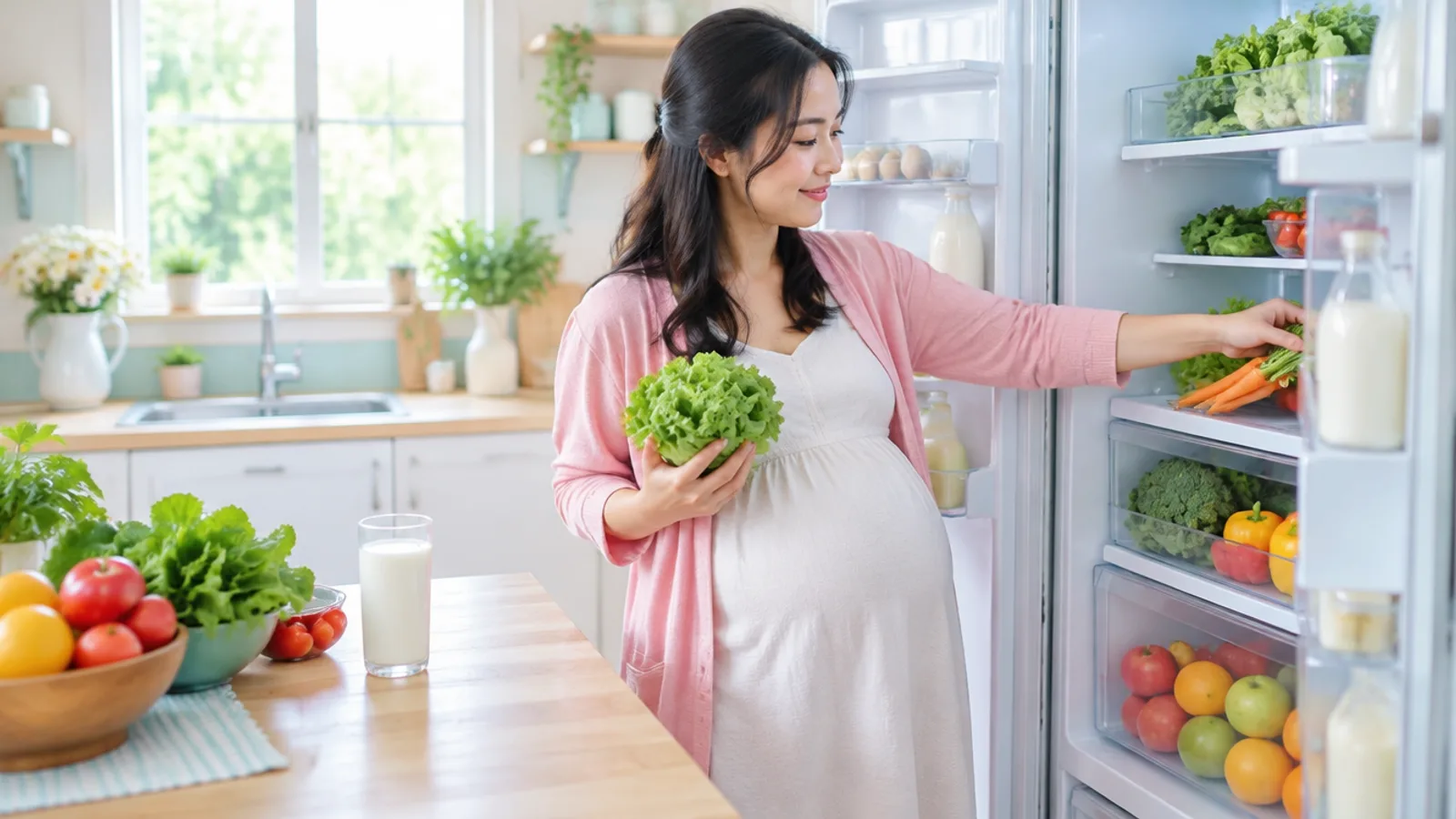
If you are in early pregnancy and hoping for your baby to grow healthily, choosing suitable foods is important for protecting both you and your developing baby.
Here, we discuss which foods to avoid in early pregnancy and the types of food to steer clear of to help protect both mother and baby.
Recommended: What to Eat During Pregnancy for a Fair-Skinned Baby: 5 Skin-Nourishing Foods That Won't Disappoint
What Should You Avoid Eating in Early Pregnancy?
1. Foods You Are Allergic To
If you are pregnant and have food allergies or a history of them, take extra care when choosing and eating food. Avoid known allergens, as well as foods that may trigger an allergic reaction, such as:
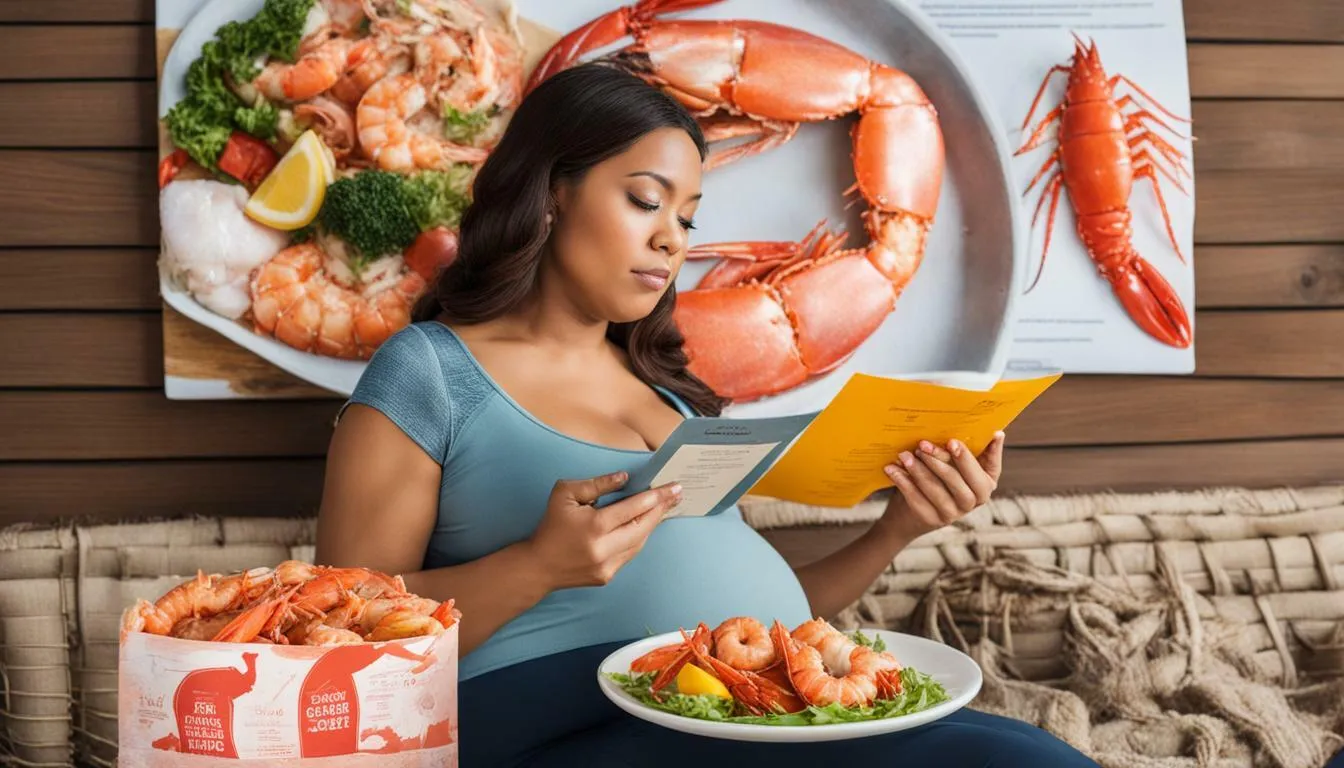
Seafood : If you are allergic to seafood, eating it may trigger a reaction. Examples include shrimp, crab, shellfish, and other seafood. Avoid any foods you are allergic to during early pregnancy.
Foods containing beans, soy, or peanuts : Pregnant women with food allergies may react to mung beans, soybeans, peanuts, and products made from them, such as peanut butter and soy milk.
Foods containing milk or milk protein : If you are pregnant and allergic to milk or milk protein, avoid milk and dairy products such as cow's milk, goat's milk, cheese, and butter.
Foods containing seasonings: Seasoned foods or products containing seasonings may contain allergens. These include dipping sauces, sauces, and various condiments.
Severe allergic reactions, such as difficulty breathing, swelling of the mouth or throat, or a widespread rash, may deprive your body of oxygen and affect your baby in the womb. Strictly avoid foods you know you are allergic to, always read ingredient labels, and go to hospital immediately or call 1669 if you have a severe allergic reaction.
However, pregnant women who are not allergic to these foods do not need to avoid seafood, beans, peanuts, or milk, as they provide protein, calcium, and other important nutrients. Unnecessarily cutting foods out of your diet may lead to nutritional deficiencies. Consult your doctor and a dietitian to plan a nutritionally complete diet.
2. Caffeinated Drinks
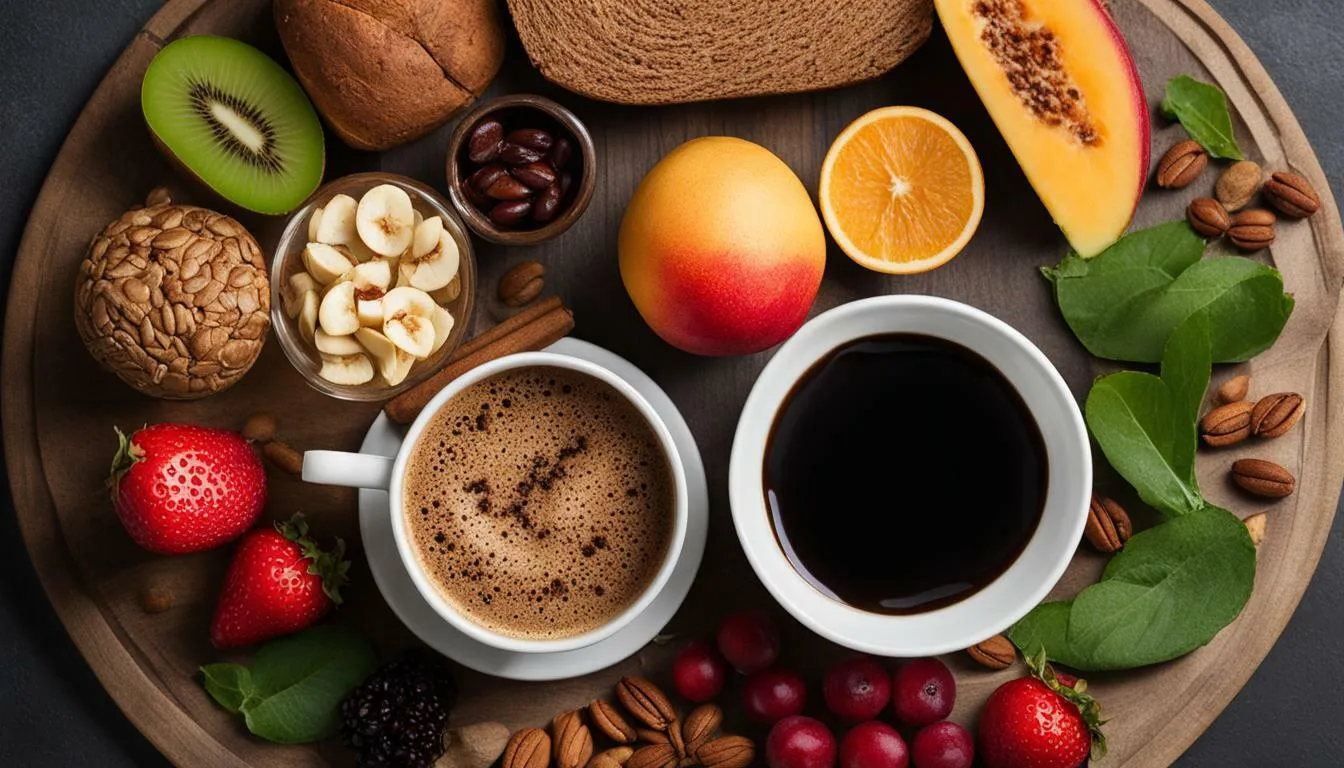
Caffeine can cross the placenta and reach your baby, and a high intake is associated with a risk of low birth weight and miscarriage. Pregnant women should therefore limit caffeine to 200 milligrams a day, as recommended by the NHS. This is approximately 2 cups of instant coffee or 1–2 cups of freshly brewed coffee, depending on the strength.
Caffeine is found not only in coffee but also in coffee-based drinks such as caramel coffee and mocha, as well as tea, green tea, cola, energy drinks, and chocolate. Count caffeine from all sources each day.
| Drink | Advice During Pregnancy |
|---|---|
| Coffee and coffee-based drinks, such as caramel coffee and mocha | You can drink these in limited amounts. Keep total caffeine intake to no more than 200 mg a day. |
| Tea, green tea | Contain caffeine and must count toward your daily limit. |
| Cocoa, chocolate | Contain a little caffeine and are high in sugar. Enjoy in moderation. |
| Decaffeinated coffee (decaf) | Low in caffeine and can replace regular coffee in moderation. |
| Energy drinks | Avoid them because they are high in caffeine and sugar. |
| Herbal tea | Consult your doctor first, as some herbs are unsuitable during pregnancy. |
| Alcoholic drinks | Avoid all types throughout pregnancy. |
3. Unpasteurized Dairy Products and Certain Cheeses
The actual risk from dairy products during pregnancy is the bacterium Listeria monocytogenes, which may be found in raw or unpasteurized milk and certain soft cheeses, such as brie, camembert, and soft blue cheese. Even if the mother's symptoms are mild, this infection may cause miscarriage, stillbirth, or a severe infection in the newborn. (Source: NHS)
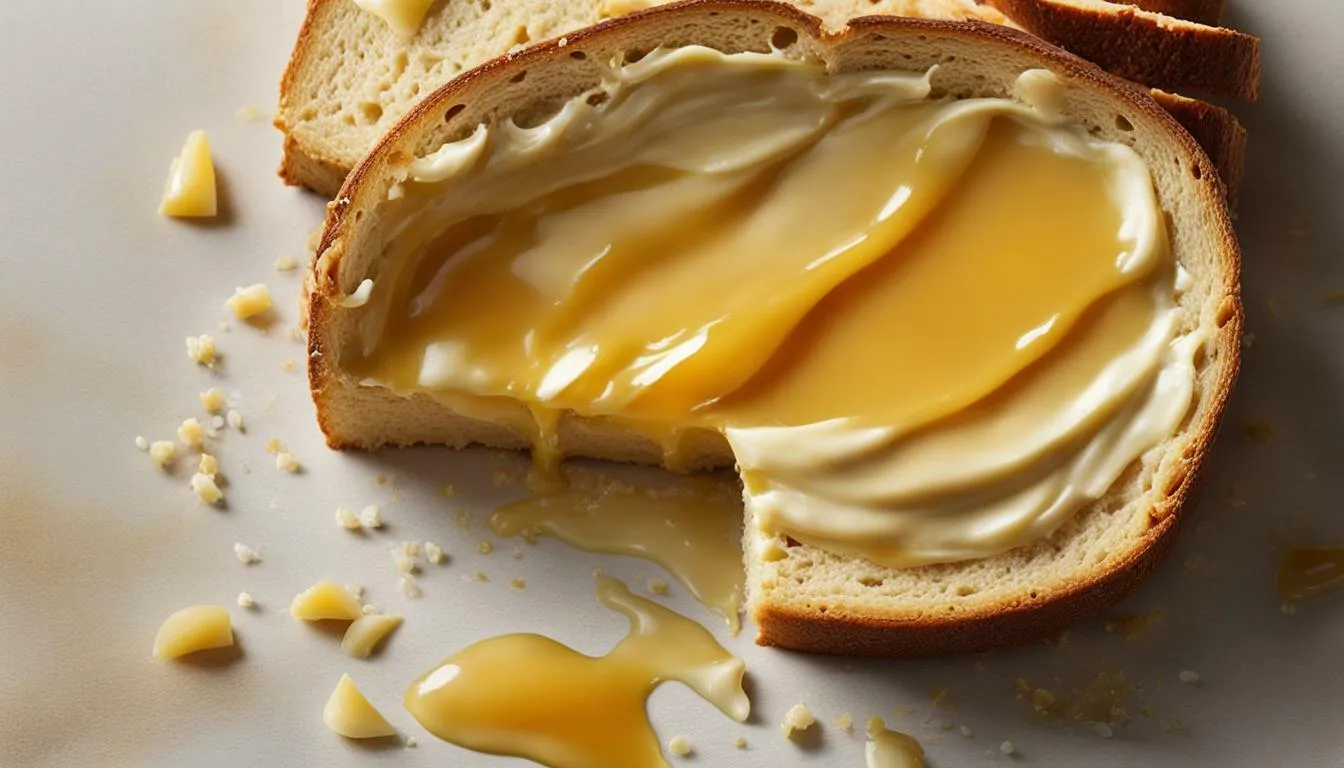
Butter made from pasteurized cream is safe to eat and does not need to be avoided. However, it is high in saturated fat, so eat it in moderation to help manage your weight. There is no need to switch to margarine. If you choose margarine, select one made from unsaturated vegetable oils that contains no trans fats.
4. Cow's Milk: Fine to Drink if You Are Not Allergic and It Has Been Heat-Treated
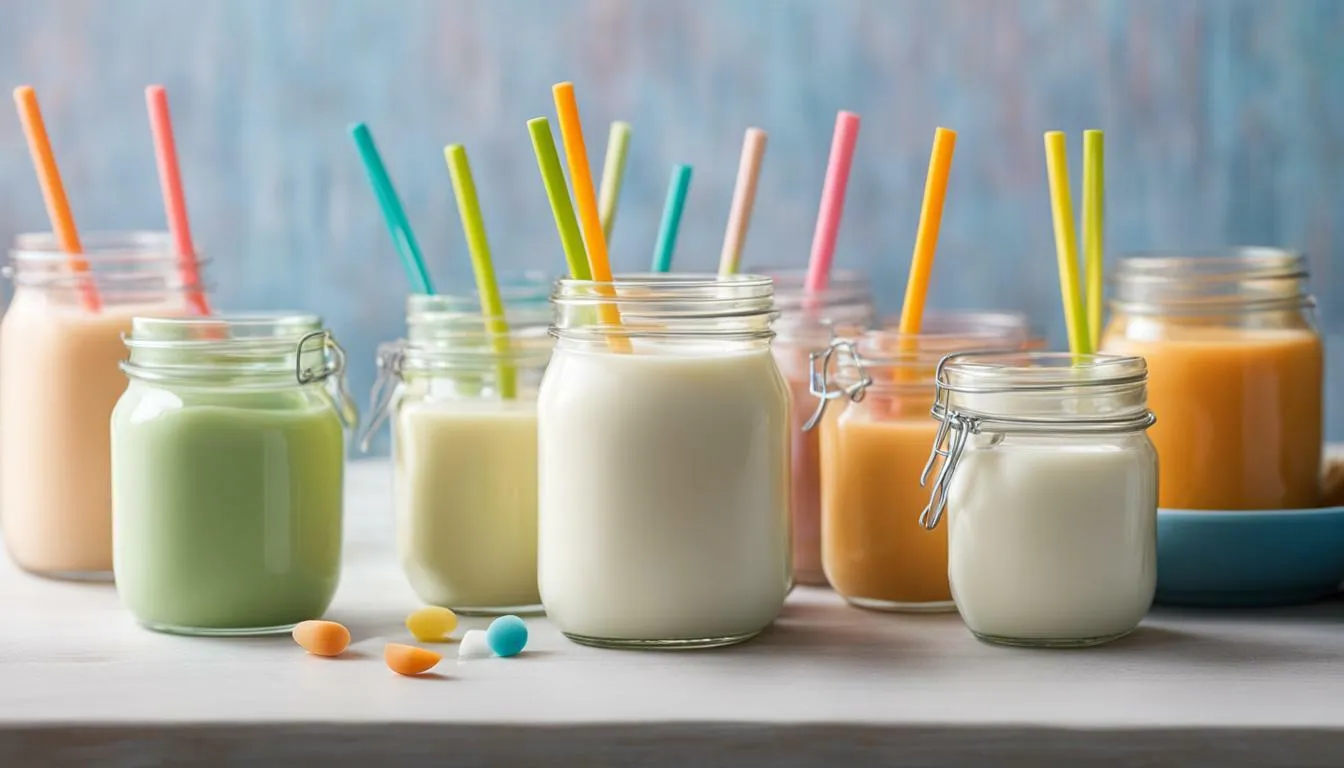
Pasteurized or UHT cow's milk is a good source of protein and calcium during pregnancy, helping your baby develop bones and teeth. If you are not allergic to milk, you can drink it as usual without needing to avoid it. What you should avoid is raw milk that has not been heat-treated.
Additional advice:
- If milk causes bloating or diarrhea because of lactose intolerance, you could choose lactose-free milk, yogurt, or calcium-fortified soy milk.
- If you are allergic to cow's milk protein, avoid milk and dairy products and consult your doctor about alternative calcium sources or calcium supplements. (Read more: Taking Pregnancy Supplements)
- Consult your doctor or a nutrition professional for advice that is suitable and safe for early pregnancy.
5. Unwashed Fruit and Vegetables, and Foods That Trigger Morning Sickness
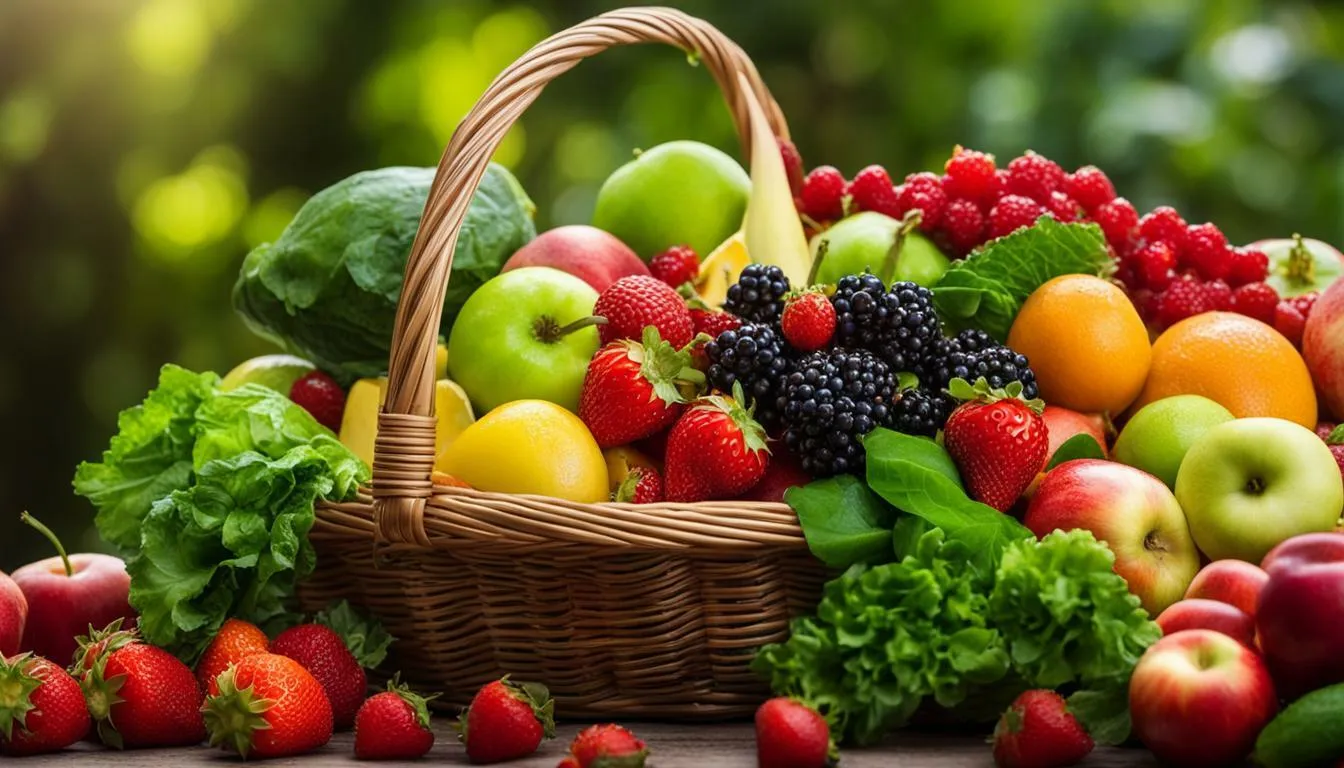
There is no fruit or vegetable that every pregnant woman needs to avoid. Fruit and vegetables remain important sources of vitamins, folate, and fiber. However, wash them thoroughly before eating to remove soil, pesticides, and any germs they may carry. (Read more: Fruit to Be Cautious About During Pregnancy)
During morning sickness, certain food smells or flavors may trigger nausea and vomiting, and these triggers vary from person to person. Notice and avoid foods whose smells upset you. Eat small, frequent portions of mild foods, such as apples, bananas, and crackers, and drink enough water. If you are vomiting so much that you cannot eat or drink, see a doctor. (Read more: Coping With Morning Sickness)
Advice: Consult your doctor or a nutrition professional for further guidance on suitable foods for early pregnancy.
Strongly Flavored Foods
Strongly flavored foods, such as very spicy, very sour, or very fatty dishes, do not directly harm your baby. However, they may worsen heartburn, stomach irritation, or nausea, especially during morning sickness and late pregnancy. If you experience these symptoms, choose milder flavors, eat smaller meals, and avoid lying flat immediately after eating.
You do not need to avoid orange juice or fruit containing vitamin C, as vitamin C helps iron absorption. Simply cut back if they cause a burning sensation in your stomach. Foods to reduce include sugary drinks and snacks, and very salty foods.
6. Raw or Undercooked Foods and Improperly Stored Frozen Foods
Foods that pregnant women should avoid include raw or undercooked foods, such as raw or partly cooked meat, raw or soft-boiled eggs, raw seafood (sushi, sashimi, live shrimp salad, papaya salad with raw crab, and fresh oysters), cold sausages or ham that have not been heated, and pâté. These carry a risk of Listeria, Salmonella, and parasites. Also avoid fish high in mercury, such as shark and swordfish.
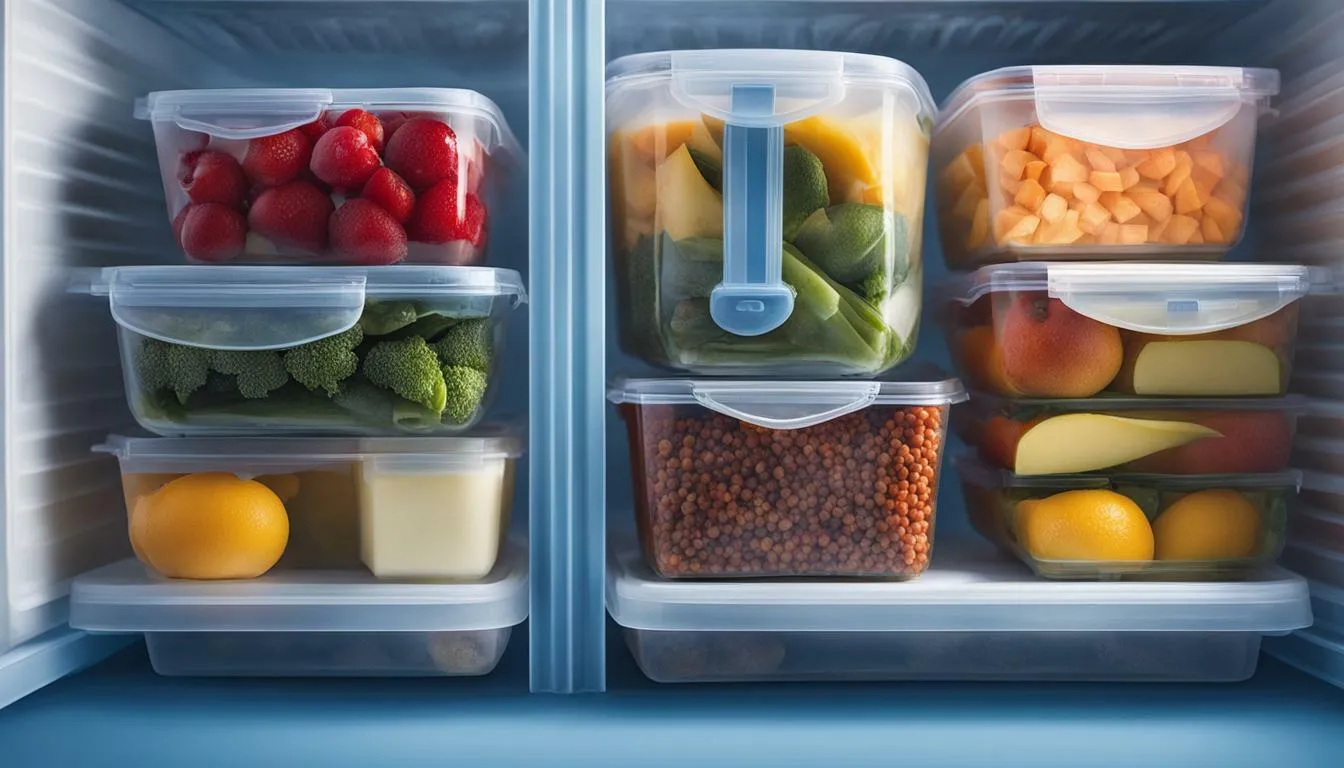
Frozen food is not inherently unsafe if it is stored correctly and cooked thoroughly until hot throughout before eating. However, cold temperatures do not kill Listeria, so thaw food in the refrigerator, cook it thoroughly, and do not refreeze it once thawed. For more foods to avoid, read 10 Things to Avoid in Early Pregnancy.
Suitable Foods for Early Pregnancy
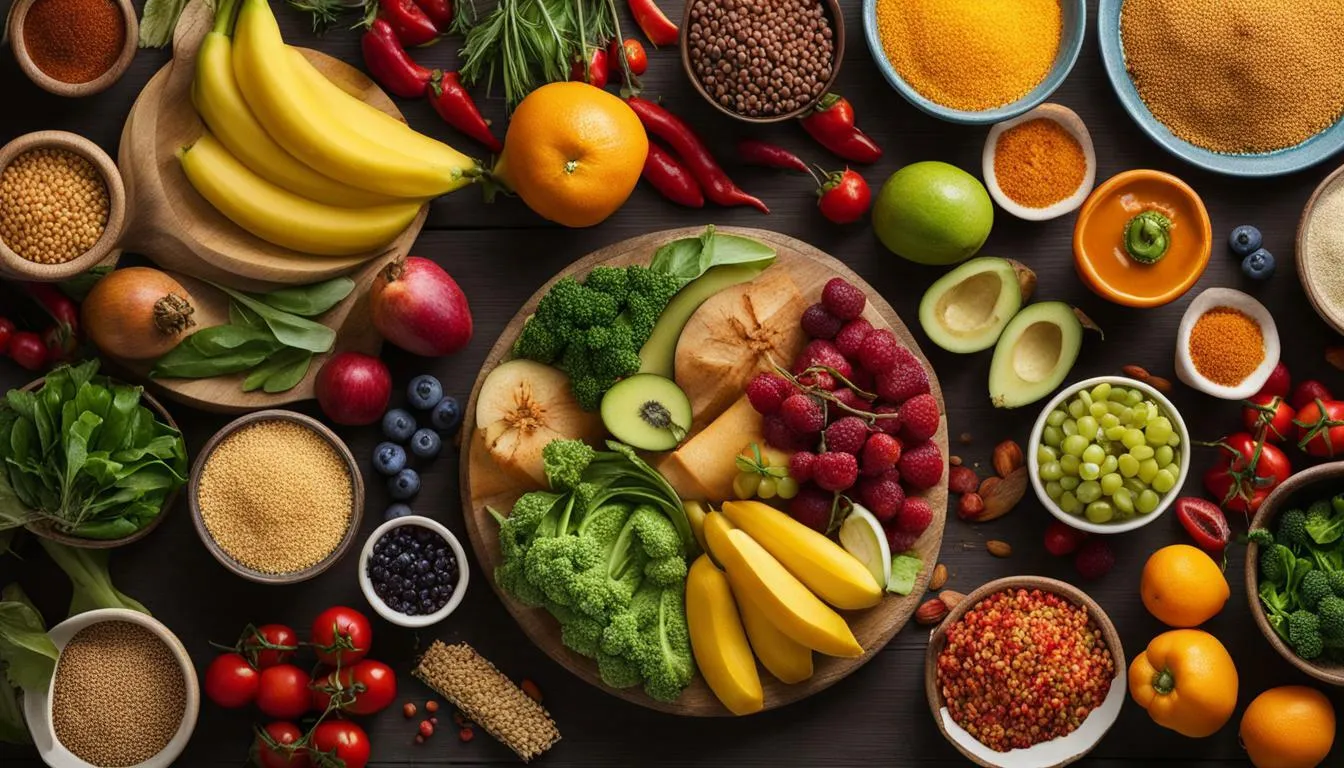
- Fresh fruit, especially high-fiber fruit such as apples, bananas, oranges, and strawberries.
- Fresh vegetables, such as carrots, broccoli, and water spinach.
- Foods prepared by boiling, grilling, or baking, such as fish, chicken, or meat.
- Pasteurized or UHT milk, eggs cooked until both the white and yolk are firm, and whole grains such as brown rice and corn.
For frozen foods, check that the packaging is intact, that there is no unusually thick buildup of ice on the food, and that it is stored in a sufficiently cold freezer. Always cook it thoroughly until hot throughout before eating. If you have further questions, consult your doctor or a dietitian.
How to Choose and Store Frozen Food Safely
- Buy frozen food from a trusted source with good hygiene standards.
- Check the expiration date and storage requirements for frozen food.
- Follow the instructions for storing and consuming frozen food.
- If a frozen food is unsuitable for early pregnancy, avoid eating it and find an alternative that supports your health and your baby's health.
Note: This information cannot replace advice from a doctor or healthcare professional. If you have any questions or concerns about eating frozen foods, consult your doctor or a healthcare professional.
Based on the information above, understanding which foods to avoid in early pregnancy can help prevent infections and support the health of both mother and baby.
Conclusion
Choosing suitable foods in early pregnancy helps protect both you and your baby in the womb. Foods and drinks to avoid or limit include your allergens, caffeine above 200 milligrams a day, all alcoholic drinks, raw milk and certain unpasteurized soft cheeses, raw or undercooked foods, fish high in mercury, and unwashed fruit and vegetables.
Pasteurized cow's milk, butter, cooked seafood, and thoroughly washed fruit and vegetables can be eaten as usual in moderation if you are not allergic. Reduce strongly flavored foods if they cause heartburn, and if you are unsure whether a food is safe, consult the doctor providing your antenatal care.
FAQs
How Does Drinking Coffee Affect Early Pregnancy?Caffeine can cross the placenta and reach your baby, and high intake is associated with low birth weight and miscarriage. Pregnant women should therefore limit caffeine from all sources to 200 milligrams a day.
Can I Drink Cow's Milk During Pregnancy?Yes. Pasteurized or UHT cow's milk is a good source of calcium and protein. Avoid raw milk, and avoid cow's milk if you are allergic to it. If you are lactose intolerant, you could choose lactose-free milk or calcium-fortified soy milk.
How Does Eating Frozen Food Affect Early Pregnancy?Frozen food is safe to eat if stored correctly and cooked thoroughly until hot throughout, as cold temperatures do not kill germs. Thaw it in the refrigerator and do not refreeze it.