






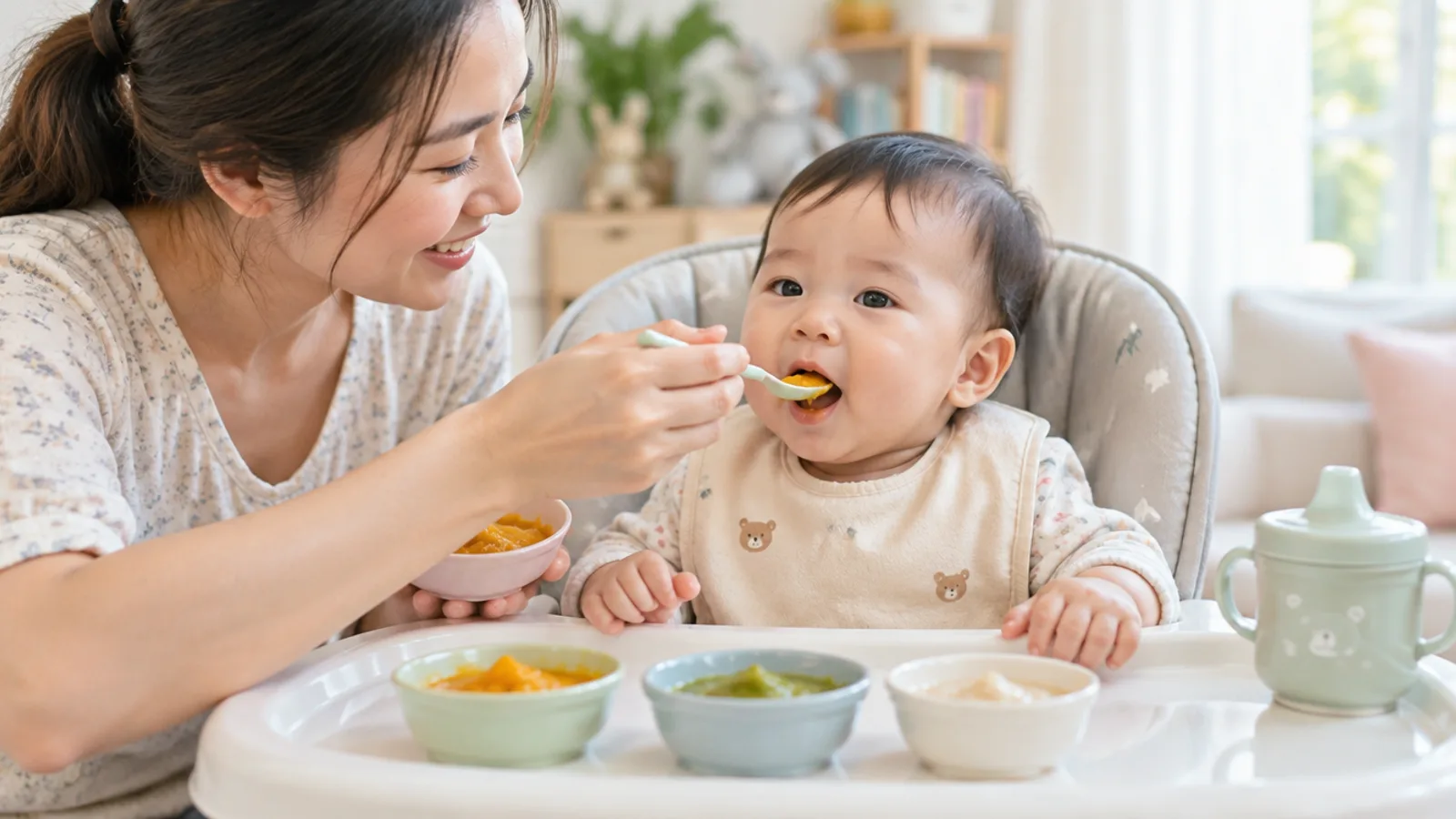
At 7 months, your baby is growing and needs complementary foods to support healthy growth. Choosing foods appropriate for this age is important to ensure your little one gets enough of the nutrients needed for healthy development.
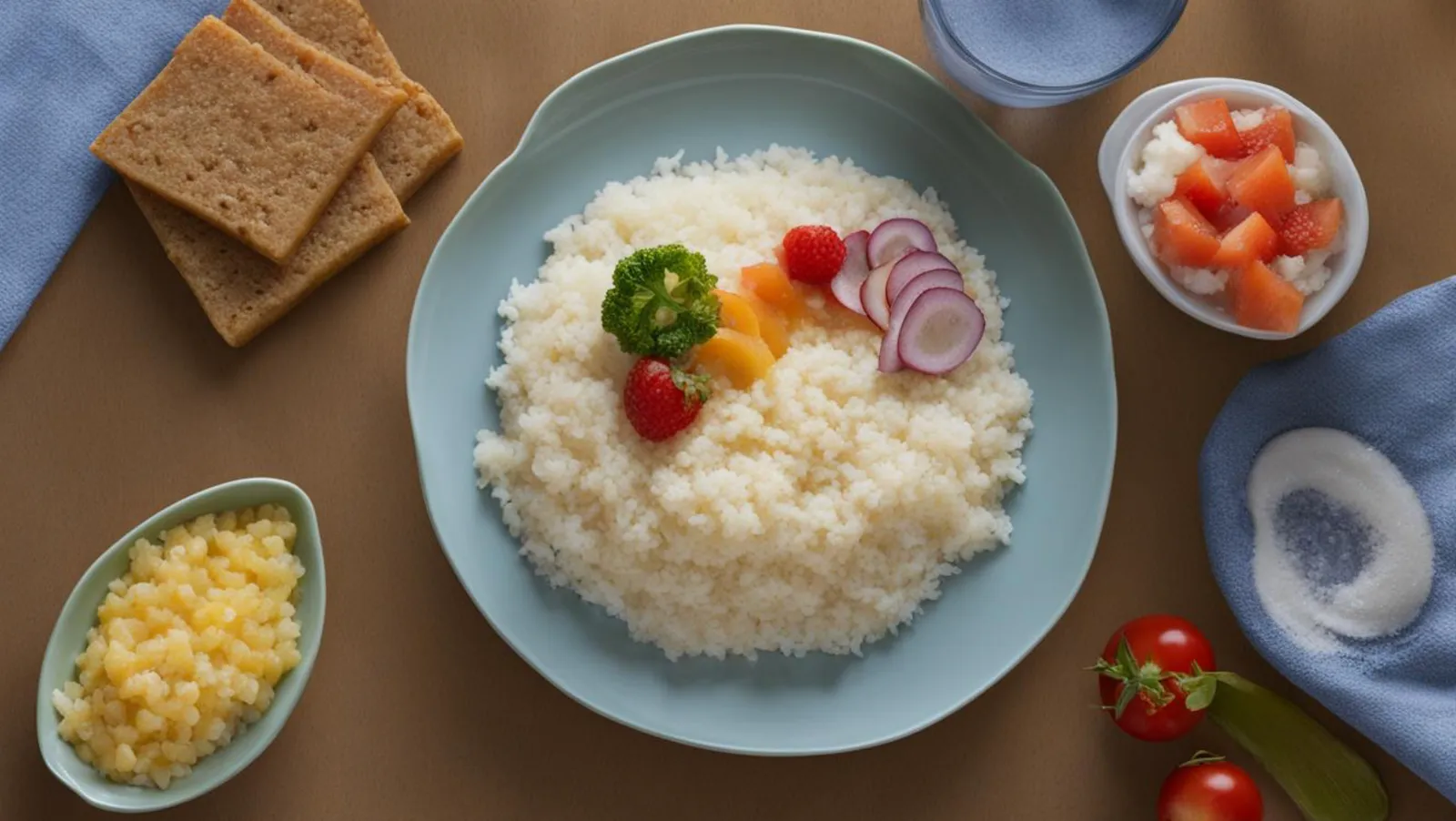
What Can a 7-Month-Old Baby Eat?
Your baby needs nutrient-rich foods to support physical growth. Complementary foods for a 7-month-old should have mild flavors and provide sufficient essential nutrients.
Vegetables Suitable for a 7-Month-Old Baby

When choosing vegetables for your baby, focus on their nutritional value and suitability for your baby's age. Choose mild-tasting vegetables that soften easily, unlike vegetables commonly eaten by adults, which often have tougher fibers and stronger flavors. Here are some popular vegetables suitable for babies:
- Broccoli: Broccoli has a mild flavor and is rich in nutrients. It contains vitamin C and fiber that supports digestion, making it suitable for babies at this stage.
- Baby carrots: Baby carrots have a mildly sweet flavor and soft texture. They are also nutrient-rich and popular for preparing complementary foods because they contain vitamin A and fiber that supports digestion.
- Pumpkin: Steamed pumpkin is mildly sweet, soft and easy to mash. It contains vitamin A and dietary fiber that supports bowel movements, making it suitable for babies at this age.
Meat Suitable for a 7-Month-Old Baby
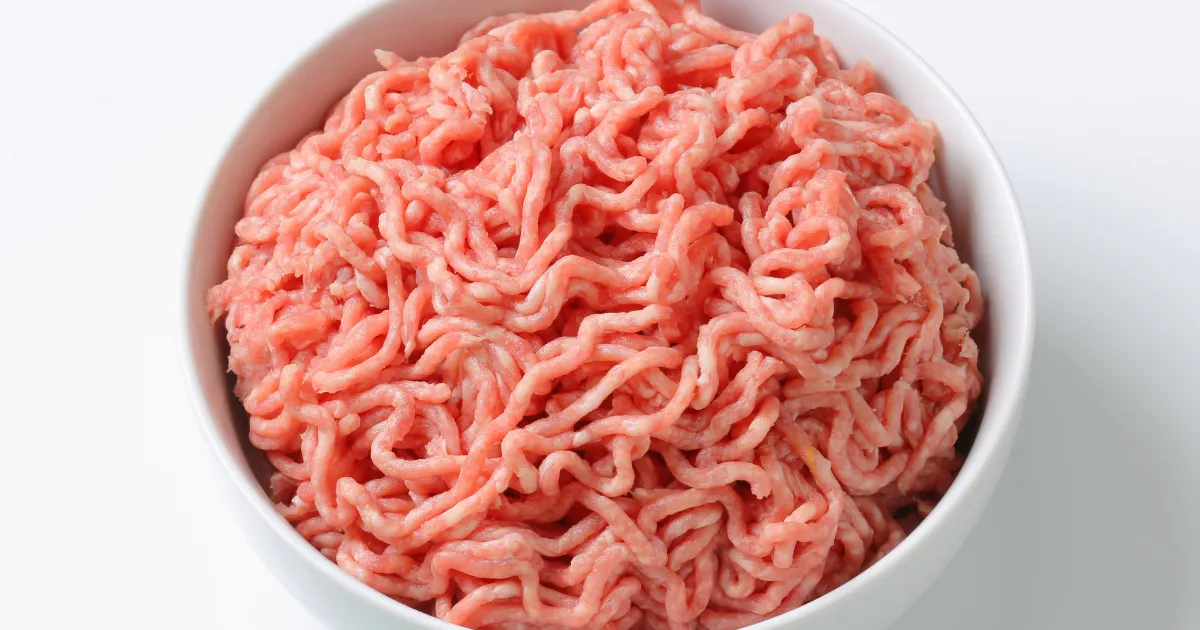
At around 6–7 months, the iron stores your baby built up before birth begin to decline. Thoroughly cooked meat, fish and eggs are therefore important sources of iron and protein. Boil or steam them until cooked through, then mash or mince to an age-appropriate texture. Gradually introduce more texture as your baby becomes ready.
Meat for babies should be suitable for supporting their health. Choose tender meat with a fine texture that can be boiled or otherwise cooked until soft. Fresh fish or finely minced chicken are suitable options. These meats are commonly used and accepted as foods for babies at this stage.
When preparing meat for your baby, pay attention to hygiene and where the food comes from. Buy meat from a trusted shop and thoroughly clean cookware and food preparation utensils to help prevent infections and diarrhea. Always remove all fish bones.
Rice and Starchy Foods Suitable for a 7-Month-Old Baby
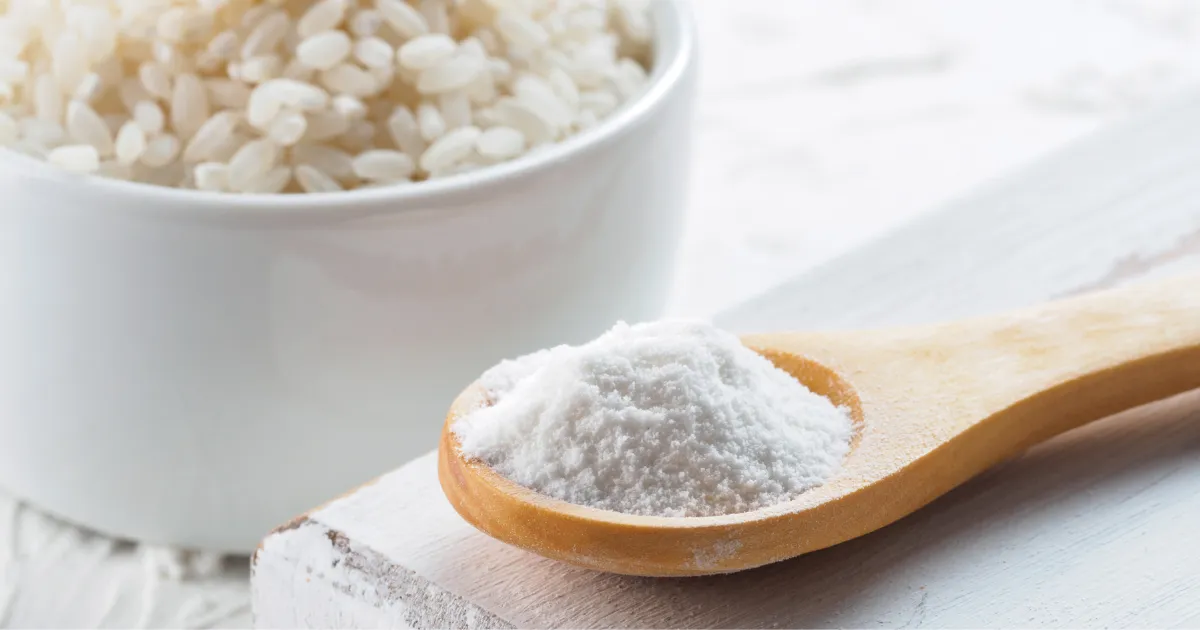
At 7 months, your baby's body and digestive system are ready to take in and digest nutrients from rice and starchy foods. Offering suitable rice and starchy foods is important for providing the nutrients your baby needs and supporting healthy growth.
For a 7-month-old, choose mashed rice or rice porridge cooked until soft, brown rice simmered until very tender, oats, or mashed steamed potatoes and sweet potatoes, without added sugar or salt. If using packaged infant cereal, choose a variety without added sugar and prepare it according to the label.
At this age, rice and starchy foods are important sources of carbohydrates, which provide essential energy for physical growth and development. Including suitable rice and starchy foods is an important part of feeding a 7-month-old. Choose nutrient-rich options so your baby gets enough of the nutrients needed for healthy growth.
Fruit Suitable for a 7-Month-Old Baby
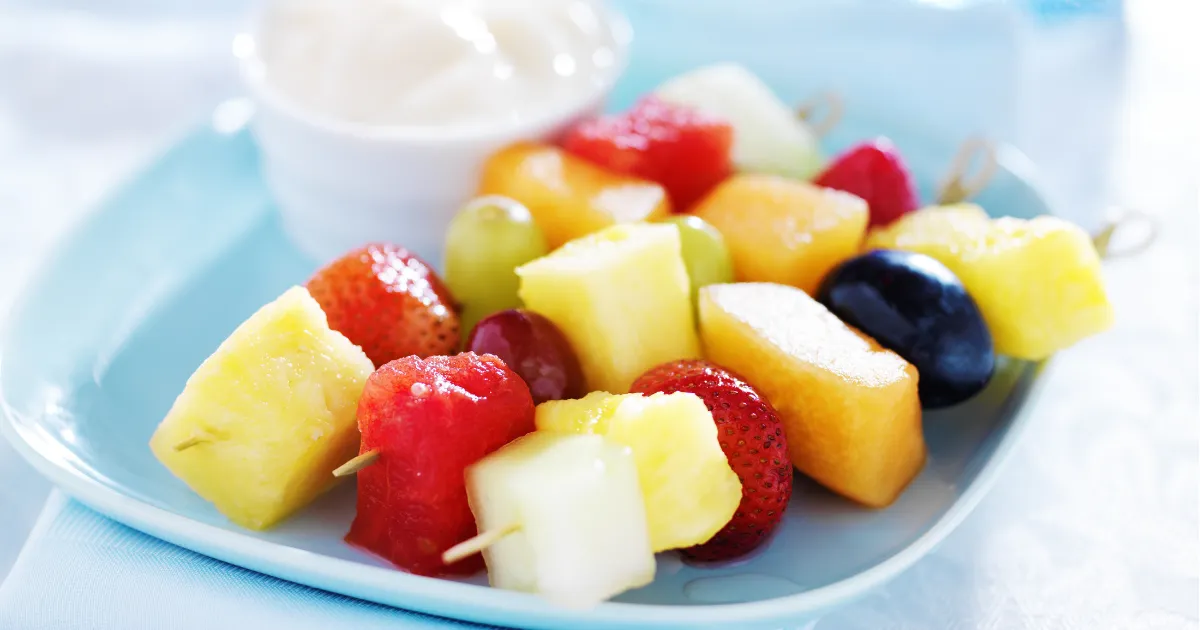
Fruit is an important food for building your baby's body and supporting growth. Offering suitable fruits helps support the development of the immune system and brain.
Fruits Suitable for a 7-Month-Old
- Ripe Nam Wa bananas or dessert bananas: Mash or scrape finely. They provide energy and dietary fiber.
- Ripe papaya: Soft and easy to mash, with vitamins A and C.
- Apples or pears: Steam until soft, then mash. Do not offer hard, raw pieces because they pose a choking risk.
- Peaches or avocado: Soft and easy to mash or blend.
Offer your baby the fruit flesh rather than fruit juice, without adding sugar, honey or sweetened condensed milk.
Meal Ideas for Your Little One
1. Chicken Stewed with Carrots
Steps:
- Steam the carrots: Steam or boil the carrots until tender, then remove and leave to cool until lukewarm.
- Blend the carrots: Blend the cooked carrots with broth until smooth. Use homemade broth without seasonings or stock cubes.
- Prepare the broth mixture: Pour the blended carrots into a pot and add broth.
- Add the chicken and simmer: Add chicken to the pot with the carrots and broth. Simmer over low heat until the chicken is very tender.
- No seasoning needed: Do not add salt, fish sauce, soy sauce or sugar. The natural flavors of the chicken and carrots are enough.
- Serve: Mash or finely mince the chicken to an age-appropriate texture. Spoon into a bowl with the carrots and broth, and cool until lukewarm before feeding.
2. Fish and Pumpkin Rice Soup
Steps:
- Combine brown rice and broth: Put the brown rice and broth in a pot and mix well.
- Cook the rice: Place over heat and simmer the rice in the broth until soft and the broth has thickened.
- Add the pumpkin: Add pumpkin pieces to the pot and stir into the rice.
- Add the fish: Add the fish to the pot and stir so it takes on the flavors of the mixture.
- No seasoning needed: Do not add salt or any seasonings. Check carefully and remove all fish bones, then stir the mixture again.
- Spoon into a bowl: Once everything is combined and fully cooked, spoon into a bowl.
- Serve: Mash to an age-appropriate texture and cool until lukewarm before feeding.
3. Rice Porridge with Ivy Gourd Leaves and Egg Tofu
Steps:
- Combine rice porridge and broth: Put the rice porridge and broth in a pot and mix well.
- Heat: Place over heat and bring to a boil.
- Add the fish: Add pieces of deboned fish to the broth. Simmer over low heat until the fish is cooked through and tender.
- Add egg tofu and ivy gourd leaves: Once the fish is cooked, add the egg tofu and ivy gourd leaves to the pot.
- Stir gently: Stir gently to combine the ingredients.
- Spoon into a bowl: Once everything is combined and fully cooked, spoon into a bowl.
- Cool until lukewarm and feed your baby: Allow to cool until lukewarm, then feed your little one.
Foods to Avoid

At 7 months, there are certain foods your baby should avoid to help protect their health. Avoid offering foods that are unsuitable for babies at this stage.
Knowing which foods to avoid for a 7-month-old is important because they can affect your baby's growth and development. Foods to avoid include:
- Raw or undercooked foods: Examples include raw or soft-cooked eggs, and meat or fish that is not cooked through. These may contain germs that cause diarrhea. Always cook them thoroughly.
- Salty foods and seasonings: Do not add salt, fish sauce, soy sauce or stock cubes to baby food, as your baby's kidneys cannot yet handle large amounts of salt. The NHS recommends not adding any salt to baby food.
- Sugar and honey: Do not add sugar to baby food because it increases the risk of tooth decay and encourages a preference for sweet flavors. Never give honey before 1 year of age, as it may contain bacteria that cause infant botulism.
- Small, hard foods that pose a choking risk: Examples include whole nuts, whole grapes or cherry tomatoes, and hard pieces of raw fruit and vegetables. Mash or cut foods appropriately for your baby's age, and keep your baby seated while eating with an adult supervising at all times. (Read more: First aid for a choking child)
- Cow's milk as the main drink: Before 1 year of age, breast milk or infant formula remains your baby's main food. Do not replace it with cow's milk, and there is no need to offer fruit juice.
The World Health Organization (WHO) recommends introducing age-appropriate complementary foods at around 6 months while continuing breastfeeding, then gradually increasing food variety. If your baby develops allergy symptoms such as a rash, vomiting or difficulty breathing after eating a new food, stop offering it and consult a doctor.
Summary
At 7 months, your baby can benefit from nutrient-rich, age-appropriate foods such as mild vegetables, tender meat, softly mashed rice and starchy foods, and soft fruits, without salty or sweet seasonings. Seat your baby in a stable high chair with adult supervision. If you are just starting complementary foods, see our earlier guide to meal ideas for a 6-month-old, or explore the full first year in feeding from birth to 1 year. Parents can also read more parenting tips here, covering everything from feeding to your little one's development.
Q&A
Suitable Vegetables
Choose mild-tasting vegetables that soften easily, such as pumpkin, carrots, broccoli, ivy gourd leaves or spinach. Steam or boil until soft, then mash to an age-appropriate texture.
Suitable Meat
Thoroughly cooked fish, chicken or eggs, finely mashed or minced with all fish bones removed, are important sources of iron and protein.
Suitable Rice and Starchy Foods
Mashed rice or rice porridge cooked until soft, brown rice simmered until very tender, oats, or mashed steamed potatoes or sweet potatoes, without added sugar or salt.
Suitable Fruits
Soft fruits such as ripe bananas, ripe papaya, peaches and avocado, or apples and pears steamed until soft and mashed.
Foods to Avoid
Raw or undercooked foods; foods with added salt, fish sauce or sugar; honey, which must not be given before 1 year of age; and small, hard foods that pose a choking risk, such as whole nuts or whole grapes.