







When your baby reaches 6 months, introducing solid foods is important to help provide enough nutrients for growth and development. However, choosing meals for a 6-month-old can be confusing for new parents, as the foods need to offer suitable nutrition and be safe for your baby.
This article offers guidance on suitable meals for 6-month-old babies, with suggestions that provide important nutrients appropriate for your little one.
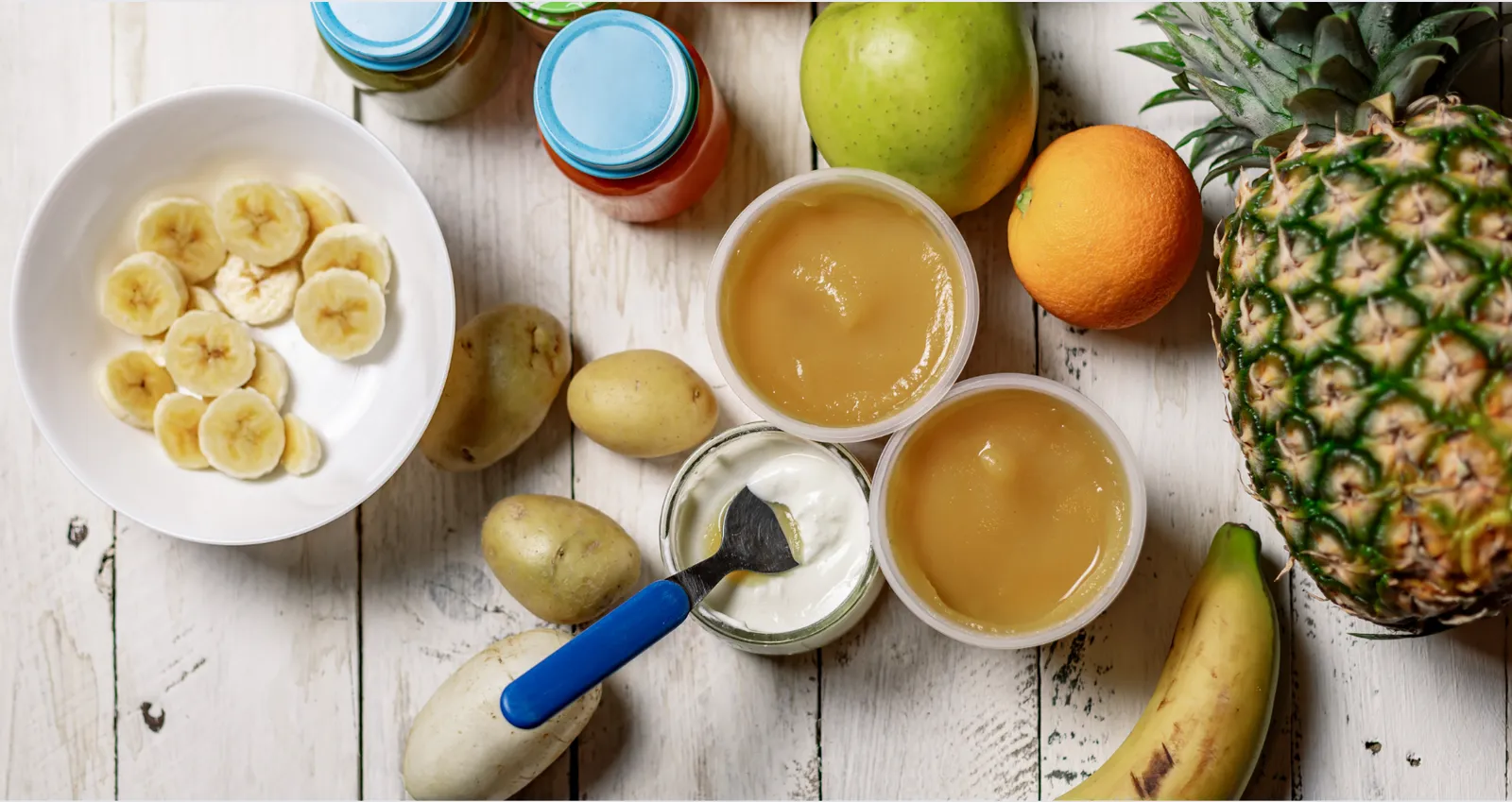
Suitable and unsuitable foods for 6-month-old babies
Suitable foods
Babies need complementary foods to support physical growth, while breast milk or infant formula remains their main source of nutrition at this age. Age-appropriate foods should include rice, sources of protein and iron such as cooked egg yolk, liver, fish, and mashed chicken, along with cooked, mashed vegetables and fruit. Everything should be soft and finely mashed.

Unsuitable foods
Hard foods that are difficult to eat are unsuitable, as they can make eating difficult and may make your baby uncomfortable when moving. Choosing unsuitable foods may also leave your baby without important nutrients. Avoid foods that are inappropriate for your baby's age, and do not give anything other than milk to babies younger than 6 months.
| Suitable foods | Unsuitable foods |
|---|---|
| Breast milk or infant formula | Cow's milk as the main drink (before 1 year of age) |
| Finely mashed rice porridge | Foods with added salt, sugar, fish sauce, or seasoning powder |
| Thoroughly cooked, finely mashed vegetables | Honey (must not be given before 1 year of age) |
| Mashed soft, ripe fruit | Hard foods or round pieces that pose a choking risk, such as whole nuts and whole grapes |
| Thoroughly cooked, finely mashed fish, chicken, liver, and egg yolk | Sweets or crunchy snacks, such as Thai coconut pancakes and packaged snacks |
Now that you know which foods to offer your baby, let's look at some suggested meals. Most use ingredients such as fruit, meat, eggs, and grains. Explore the meal ideas in the next section (source:unicef, nhs.uk, ).
https://youtu.be/ImOK4bY0xAwSuggested meals for 6-month-old babies
Brown rice porridge + Nam Wa banana + formula or breast milk
Finely mash 2 tablespoons of brown rice porridge cooked until soft, and prepare 1 tablespoon of finely mashed Nam Wa banana.
Oatmeal + breast milk
Cook the oats in clean water until soft, then mash finely to a smooth porridge consistency. Let it cool until warm before mixing in breast milk or formula until smooth. Do not heat breast milk at high temperatures. Your baby's meal is ready.
Fish soup + pumpkin
Bring clean water to a boil, then add finely chopped fish with all bones removed. Cook until the fish is thoroughly done, stirring to break it up, then add finely mashed steamed pumpkin. No seasoning is needed. Stir together, and it is ready to serve to your little one.
Feeding schedule for a 6-month-old
When starting solids at 6 months, Thailand's Department of Health recommends beginning with one meal a day, offering 1–2 teaspoons at a time and gradually increasing the amount. Other feeds should still be breast milk on demand. As your baby grows, gradually increase to two and three meals during the 8–12-month period. Consult a pediatrician about the number of meals suitable for your baby.
Example of one age-appropriate meal:
- Finely mashed rice porridge (start with small amounts)
- Vegetables cooked until soft and finely mashed (such as carrots, pumpkin, or ivy gourd leaves)
- Soft fruit (such as ripe Nam Wa banana or mashed steamed apple)
Once you add more meals, an example of the next meal:
- Rice porridge (a larger portion)
- Vegetables cooked until soft and finely mashed (such as carrots or ivy gourd leaves)
- Tender meat (such as fish or chicken), cooked until soft and finely chopped
Precautions: Introduce new foods one at a time, about 3–5 days apart, to watch for allergic reactions such as a red rash, hives, swollen lips, vomiting, or loose stools. If symptoms appear, stop offering that food and consult a doctor. If your baby has difficulty breathing or severe facial swelling, call 1669 immediately. Introduce common allergens such as eggs, peanuts, fish, and seafood in small amounts and watch for symptoms (NHS). Your baby should sit upright in a high chair and always have adult supervision while eating to reduce the risk of choking (see first aid for a choking child).
Preparing food for a 6-month-old
How to prepare food
Food must be clean and of good quality, using ingredients suitable for babies of this age. Preparing meals for a 6-month-old also requires careful attention to hygiene.

Once you have chosen your ingredients, wash the vegetables and fruit thoroughly. Cut them into small pieces and boil them in hot water until cooked, or use a fruit and vegetable blender to prepare food for your 6-month-old.
https://youtu.be/GyDftrreu10Food preparation tips
- Use only clean, good-quality ingredients.
- Check the expiry dates of ingredients before use.
- Wash vegetables and fruit thoroughly.
- Cut them into small pieces and boil them in hot water until cooked, or use a baby food blender for vegetables and fruit.
- Do not add salt, sugar, honey, or chili paste to baby food (NHS).
- Give your baby freshly prepared food each time, and do not keep it for longer than 24 hours.
However, consult a doctor or nutrition specialist before buying food for advice and useful information on choosing suitable options.
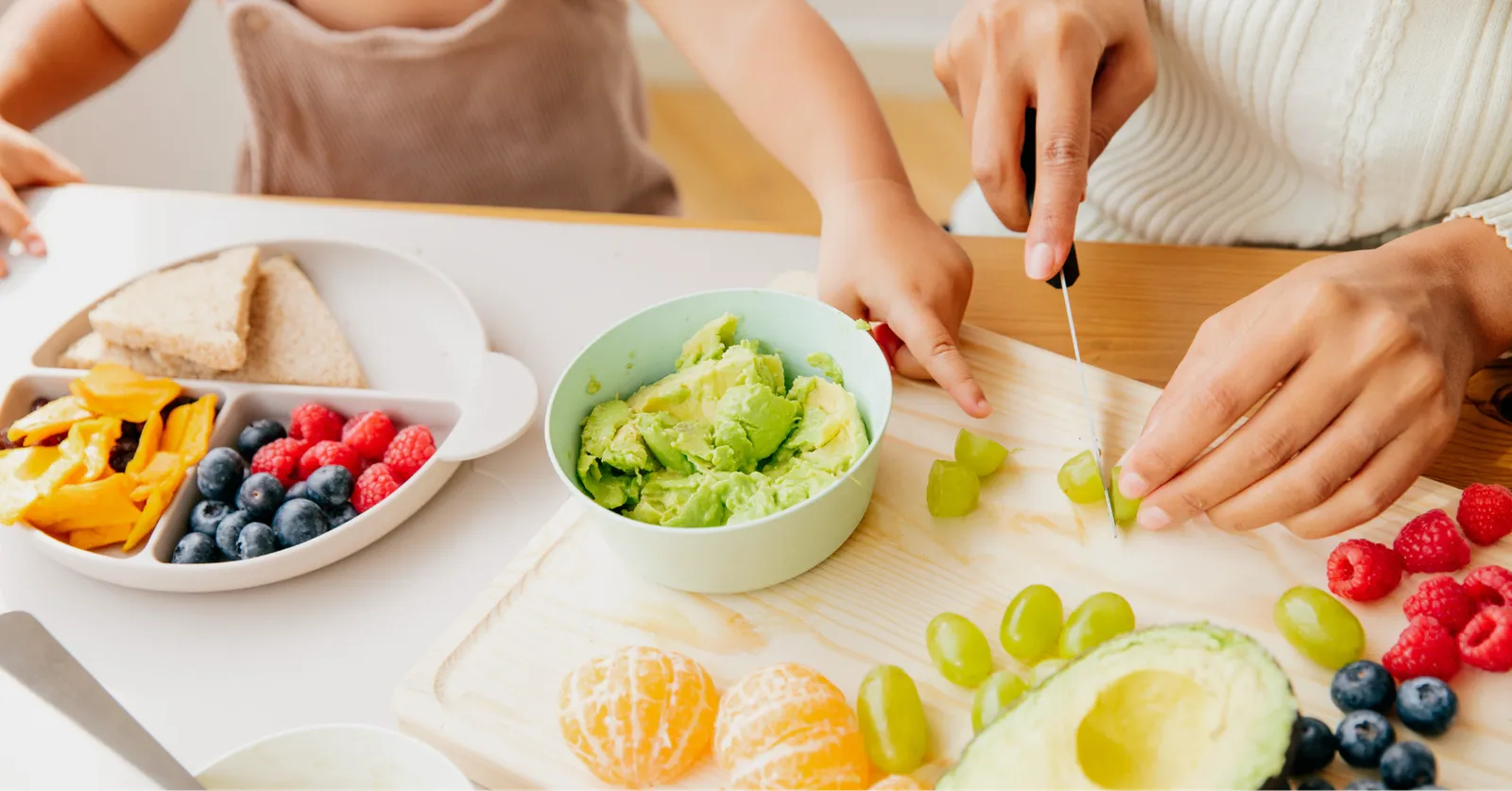
Buying food for a 6-month-old
Choose safe food
Choosing food for a 6-month-old is very important because babies at this age cannot yet digest food well enough and are not yet able to eat spiced foods. Choosing safe food is therefore especially important.
Parents should choose food that meets safety standards. Check for an expiry date, and avoid food containing chemicals or ingredients unsuitable for babies, such as added sugar, salt, and preservatives.
Choose good-quality food
Along with safety, food quality is especially important. Good-quality food helps babies grow appropriately and stay healthy.
Parents should choose food with ingredients suitable for babies, providing adequate protein, carbohydrates, and vitamins. Also choose products with a food registration number from the Thai Food and Drug Administration, Ministry of Public Health, and a label stating that they are suitable for babies aged 6 months and over.
Choosing food for a 6-month-old is especially important. Although it may seem straightforward, it requires care and attention to give your baby the safest possible food.
Feeding a 6-month-old can be messy, so consider disposable baby bibs to reduce the chance of germs. They are a useful item for moms to keep at home. Click here!
Changes to feeding routines
Appropriate changes to feeding routines
As your baby starts eating complementary foods, adjust their feeding routine to suit their age, particularly when they reach 6 months. These changes help your baby receive enough nutrients to meet their needs.
Start adjusting your baby's feeding routine by introducing complementary foods with soft textures, such as finely mashed vegetables and fruit, then gradually make the texture coarser as your baby grows (see meal ideas for the next stage in food for 7-month-old babies and feeding babies from birth to 1 year). Offer enough complementary food without giving your baby too much.
You should also adjust your baby's feeding routine by offering complementary foods at suitable times, such as before their main feed or during the daytime.
Inappropriate changes to feeding routines
Changes to your baby's feeding routine should not involve offering excessive amounts of complementary food. You should also avoid offering complementary foods at unsuitable times, such as just before sleep.