







- What is yu fai?
- How many days should you do yu fai after childbirth?
- Benefits of yu fai
- Precautions for yu fai
What is yu fai?
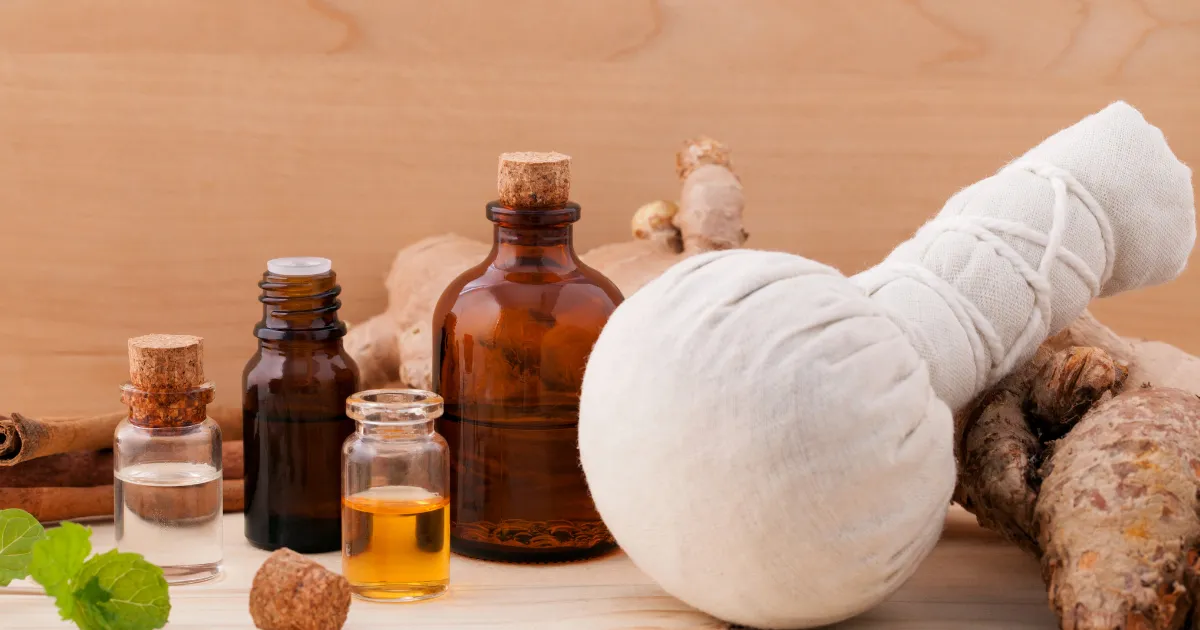
Postpartum yu fai is care for mothers after childbirth rooted in Thai traditional knowledge and medicine, using heat to keep the body warm. In the past, mothers would lie on a wooden platform with a fire underneath, drink warm water and avoid strenuous activities for a period of time. Modern adaptations include heated salt-pot applications, herbal compresses, steam treatments or herbal steam tents, and postpartum massage, alongside rest and nutritious food.

The term "yu fai" is not a term used in modern medicine. It is a traditional form of postpartum care that remains popular, with many Thai traditional medicine clinics offering it. Most reported benefits come from mothers' experiences and feelings of physical comfort. Medical research evidence remains limited, so it should accompany doctor-recommended postpartum care, such as attending scheduled postnatal checkups and watching for postpartum complications.
How many days should you do yu fai after childbirth?
After childbirth, it is important for mothers to rest and recover so their bodies can return to normal and regain their energy and full strength before taking on the care of their newborn.
Postpartum yu fai depends on how long it has been since delivery and the mother's health. The timing differs between vaginal births and C-sections.
The appropriate duration of postpartum yu fai varies from mother to mother. Consider your own health, your birth experience and how you gave birth.
There is no fixed number of days for yu fai. In the past, it lasted anywhere from a few days to several weeks. Modern adaptations are often offered as short courses suited to each mother's convenience and physical condition. The key consideration is when to start:
- Vaginal birth: Wait until your body has recovered, postpartum vaginal discharge has decreased and any perineal wound has begun to heal. Mothers are generally advised to wait at least around 7 days after delivery.
- C-section: Wait until the surgical wound is fully healed and your doctor gives permission. This usually takes longer than recovery after a vaginal birth. (For more information on C-section recovery, see NHS.)
The best approach is to consult the doctor who managed your delivery before starting yu fai, especially if you have an underlying medical condition or experienced complications during childbirth.
Benefits of yu fai
By now, you will be familiar with yu fai as a practice associated with women after childbirth, but you may still wonder what benefits it offers. Here are some benefits that many mothers report experiencing:
Improved blood circulation: Yu fai may stimulate circulation, helping blood flow more easily and supporting balance in the circulatory system.
Increased body temperature: Yu fai can raise body temperature, reducing feelings of cold and providing warmth, which can help ease discomfort after childbirth.
Reduced fatigue: Yu fai may help reduce fatigue caused by childbirth and blood loss.
Relief from aches and pains: The heat and warmth of yu fai can help ease aches in muscles and tendons, making you feel more comfortable.
Relaxation and physical comfort: Herbal compresses or steaming help many people feel relaxed, which may support better rest. If you experience chills after childbirth, read more about feeling cold after childbirth.
Although yu fai offers many benefits, there are also precautions to consider. Let's look at what you should keep in mind.
Precautions for yu fai
The mother's health: Mothers with underlying conditions or medical issues that make yu fai unsuitable must follow their doctor's advice. Avoid yu fai if you have a high fever, heavy bleeding or symptoms suggesting a serious medical condition.
Caution in the first days after childbirth: Mothers should wait at least 7 days after delivery before starting yu fai. Also, avoid excessive heat and make sure the surrounding area is well ventilated.
C-section and perineal wounds: Never apply hot compresses, heated salt pots or steam heat to wounds that have not fully healed, as this may cause inflammation, swelling or infection.
Precautions: Excessive heat can cause blistering burns, dehydration or heat-related fainting. Drink enough water during yu fai, avoid prolonged heat exposure and stop immediately if you feel dizzy, have palpitations or feel faint. Do not take your baby into an extremely hot room or steam tent. If you develop a fever, increased vaginal bleeding, or a swollen, red wound with pus, seek medical attention immediately. (For information on bodily changes after childbirth, see NHS.)
Conclusion
Yu fai is a traditional Thai practice that helps many mothers feel more comfortable after childbirth. However, the essentials for regaining strength are getting enough rest, eating nutritious food, gradually starting postpartum exercise when you are ready, and attending your scheduled postnatal checkups. For more postpartum and baby-care tips, explore more here.
What does postpartum yu fai mean?Postpartum yu fai is a necessary process of rest and recovery for mothers after childbirth, allowing the body to return to normal and regain full energy before taking on the role of caring for a baby.
How many days should you do yu fai after childbirth?There is no fixed number of days. After a vaginal birth, yu fai can often begin around 7 days after delivery once the body has recovered well. After a C-section, wait until the wound is fully healed and your doctor gives permission. The duration depends on each mother's convenience and health.