







What Are the 5 Benefits of Coloring for Children?
- Creativity
- Developing Children’s Visual Skills
- Developing Children’s Memory
- Practicing Concentration and Decision-Making
- Learning About the Surrounding Environment
1. Creativity
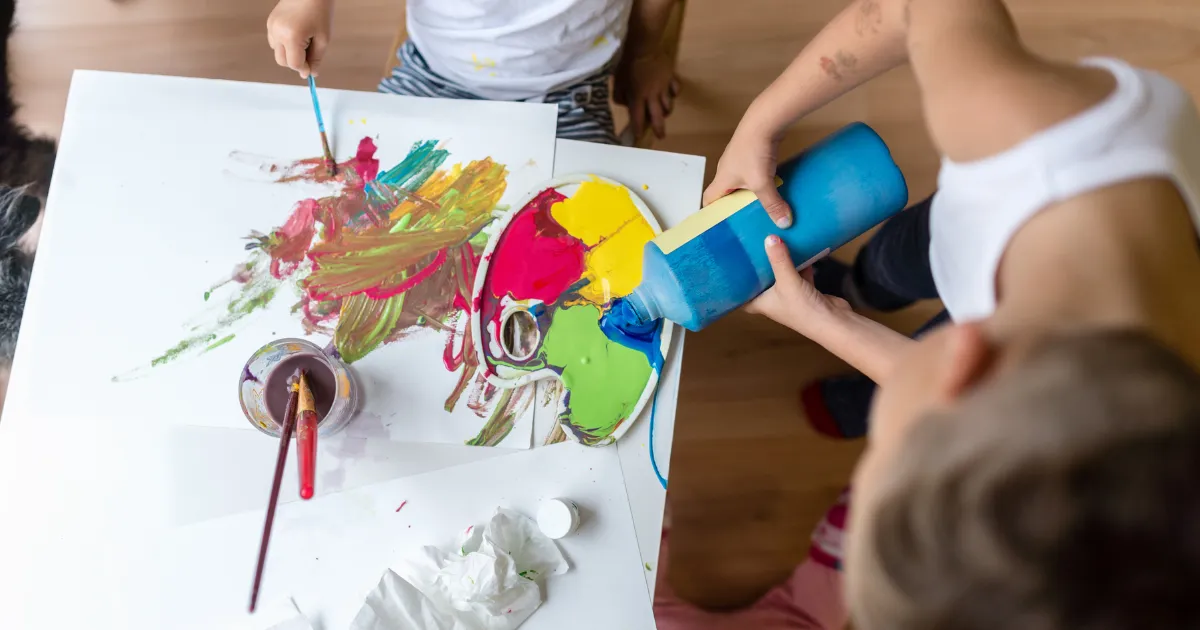 Drawing and coloring encourage children to become more creative by creating unique pictures from their own imagination. These activities nurture creativity and challenge children to connect the pictures they draw with what happens in the world around them.
Parents can encourage creativity by letting children draw freely. They do not have to color within the lines or use realistic colors. Ask your child to tell you what they are drawing. Telling stories about their pictures helps them practice both imagination and language skills.
2. Developing Children’s Visual Skills
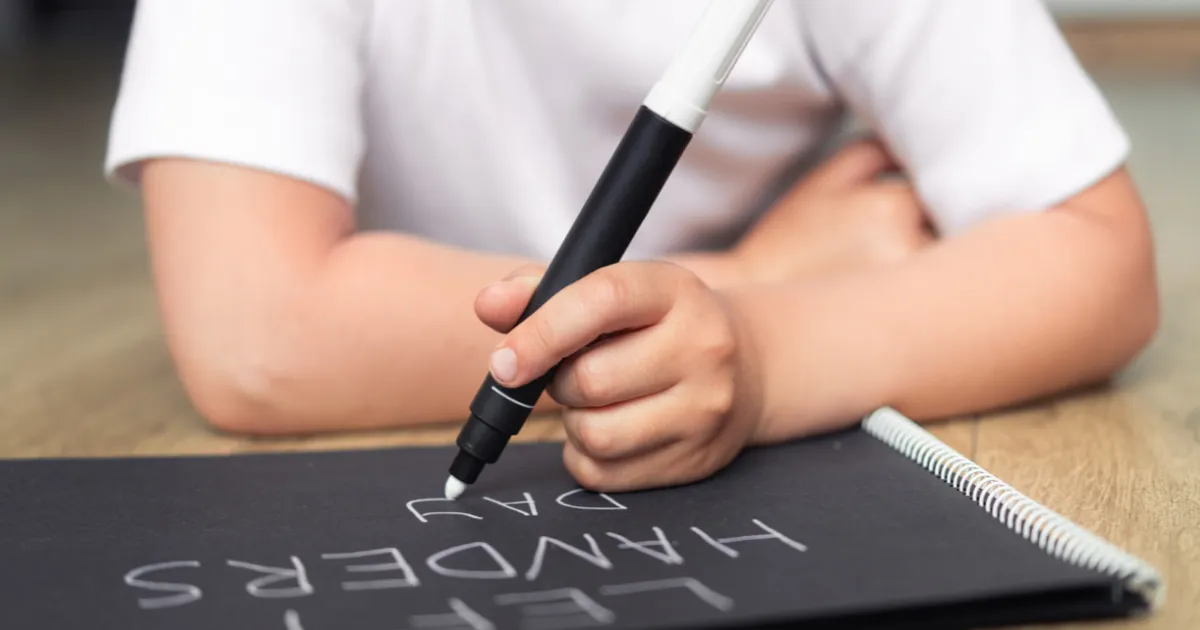
Drawing and coloring help children practice observing what they see, including shapes, sizes, colors and the positions of objects, then representing these on paper. While coloring, children must coordinate what their eyes see with their hand movements. This develops hand–eye coordination and the fine motor skills of their fingers, which are important foundations for holding a pencil and writing later on. Find more activities in Activities to Develop Fine Motor Skills and Ways to Encourage Writing Through Play.
3. Developing Children’s Memory
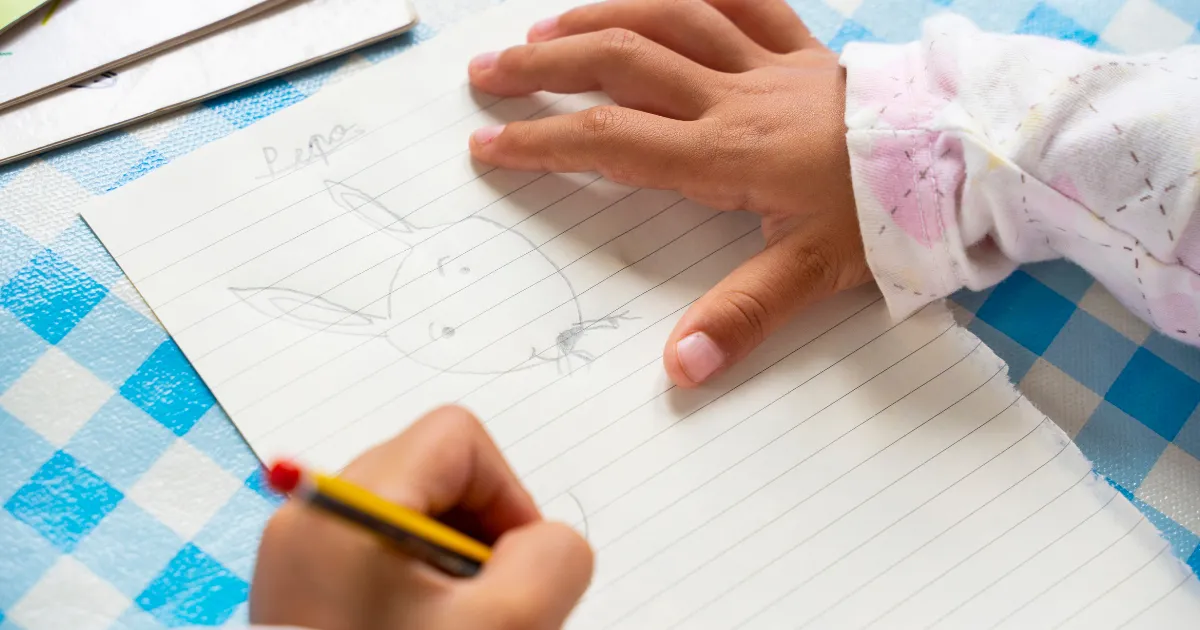 Coloring and drawing are activities that effectively support and develop children’s memory. When children put a pen or coloring tool to paper, they must create a mental image from their own thoughts. Forming these mental images stimulates brain activity, strengthens memory and builds connections between thoughts and memories.
When drawing and coloring, children use their memory to recall details of a picture. The process requires them to use their brains to interpret and remember impressions, and to apply creativity when choosing patterns, colors and other details. Drawing and coloring therefore help children practice remembering and quickly understanding details as they learn.
| Benefits for Children’s Memory Development | Example |
|---|---|
| Remembering details | Your child recalls the shapes and colors of animals or objects they have seen, then draws them. |
| Remembering the sequence of events | Your child draws something that happened on an outing and can describe the events in order. |
| Practicing sustained attention | Your child sits and colors a picture until it is finished, spending longer on the activity as they grow older. |
4. Practicing Concentration and Decision-Making

While drawing and coloring, children make many decisions independently, such as what to draw, which colors to use and where to place the picture on the paper. Making their own choices regularly helps them practice decision-making and build confidence. Sitting and coloring until a picture is finished also develops sustained attention, while small tasks such as putting crayons back in their box afterward encourage responsibility. Children’s attention spans increase with age, so avoid making them sit for too long.
5. Learning About the Surrounding Environment
 Learning to draw and color does more than nurture creativity and an interest in making pictures freely. It also encourages children’s sense of responsibility and awareness of the environment around them.
When children draw and color environmental subjects, such as wild animals, plants or landscapes, they learn about caring for the environment and its importance in everyday life. Creating their own pictures encourages children to think deeply about the environment and their responsibility toward it.
Learning about and understanding environmental diversity can help children develop broader awareness and understanding that support future environmental conservation. Conversely, children with limited environmental awareness and understanding, and little sense of responsibility, may show less interest in conserving and protecting the environment in the future.
Table: Environments Children Can Draw and Color
| Environment | Learning objective | Talk with your child about caring for it |
|---|---|---|
| Forests | Learn about trees and wild animals, and understand the importance of forests. | Avoid cutting down trees unnecessarily, and help plant trees. |
| The sea and coastline | Learn about marine animals and beaches. | Do not throw rubbish or plastic bags into the sea. |
| Mountains | Learn about mountains, streams and waterfalls. | Do not litter, and respect the natural surroundings of streams and waterfalls. |
At What Age Can Children Start Coloring, and How Should You Choose Materials?
Most children begin holding crayons and scribbling at around 1 to 1½ years old, according to the developmental milestones from the CDC. At 2–3 years old, they begin drawing lines and circles. By preschool age, they start drawing simple people and become better at holding a pencil with their fingertips. Each child develops at their own pace. What matters is giving your child the chance to explore and have fun (find more age-appropriate play ideas from the NHS).
- Young children should use chunky crayons that are easy to hold and difficult to break.
- Choose coloring materials labeled non-toxic for children that meet safety standards, such as those bearing the Thai Industrial Standards (TIS) mark.
- Avoid oil paints, spray paints and solvents such as paint thinner.
Precautions: Young children often put coloring materials and pen caps in their mouths. Supervise closely while they color, choose pens with ventilated caps, keep small pieces out of reach and wash your child’s hands after every session. Read more about Why Colors Matter for Children’s Development.
By now, you may be keen to find coloring materials for your little one to try. We have selected an option for them.Hape Colour Mix Painting 4y+ Coloring and Color-Mixing Toy
 Explore the exciting principles of color mixing and learn about colors with this wonderful Colour Mix Painting set! Have fun completing all six activities in the album. A paper clip is included to keep your artwork together.
https://youtu.be/ywXABkEo5q8
And for parents looking for tips on caring for their little ones, we have gathered them for you. You canRead more here—click!Sources:https://www.momjunction.com/articles/amazing-advantages-coloring-pages-childs-development_0086656/
https://www.cdc.gov/act-early/milestones/index.html
https://www.nhs.uk/baby/babys-development/play-and-learning/