






Recommended: How to handle a child who throws things when angry
What are the benefits of teaching emotional regulation?
Emotional control is a skill that helps us manage our emotions effectively and maintain balance, without letting feelings dictate our behavior or affect how well we carry out tasks. It plays an important role in building happiness and success in life. Related practices include recognizing and understanding other people's feelings, meditation, and deep breathing.
Emotional regulation skills develop gradually with age. Children aged 1–3 years still need parents to comfort them and name their emotions. Preschoolers begin to express feelings in words and use simple strategies such as deep breathing. Techniques such as analyzing options, keeping an emotions journal, and setting goals are suitable for primary-school children and older. Parents should therefore choose approaches that suit their child's age (read more at HealthyChildren.org (AAP)).
Ways to teach your child to manage their emotions
1. Start by recognizing feelings

Effective emotional regulation begins with teaching children to recognize and understand their feelings. Emotional awareness is important because it helps your child understand themselves and respond to their emotions appropriately.
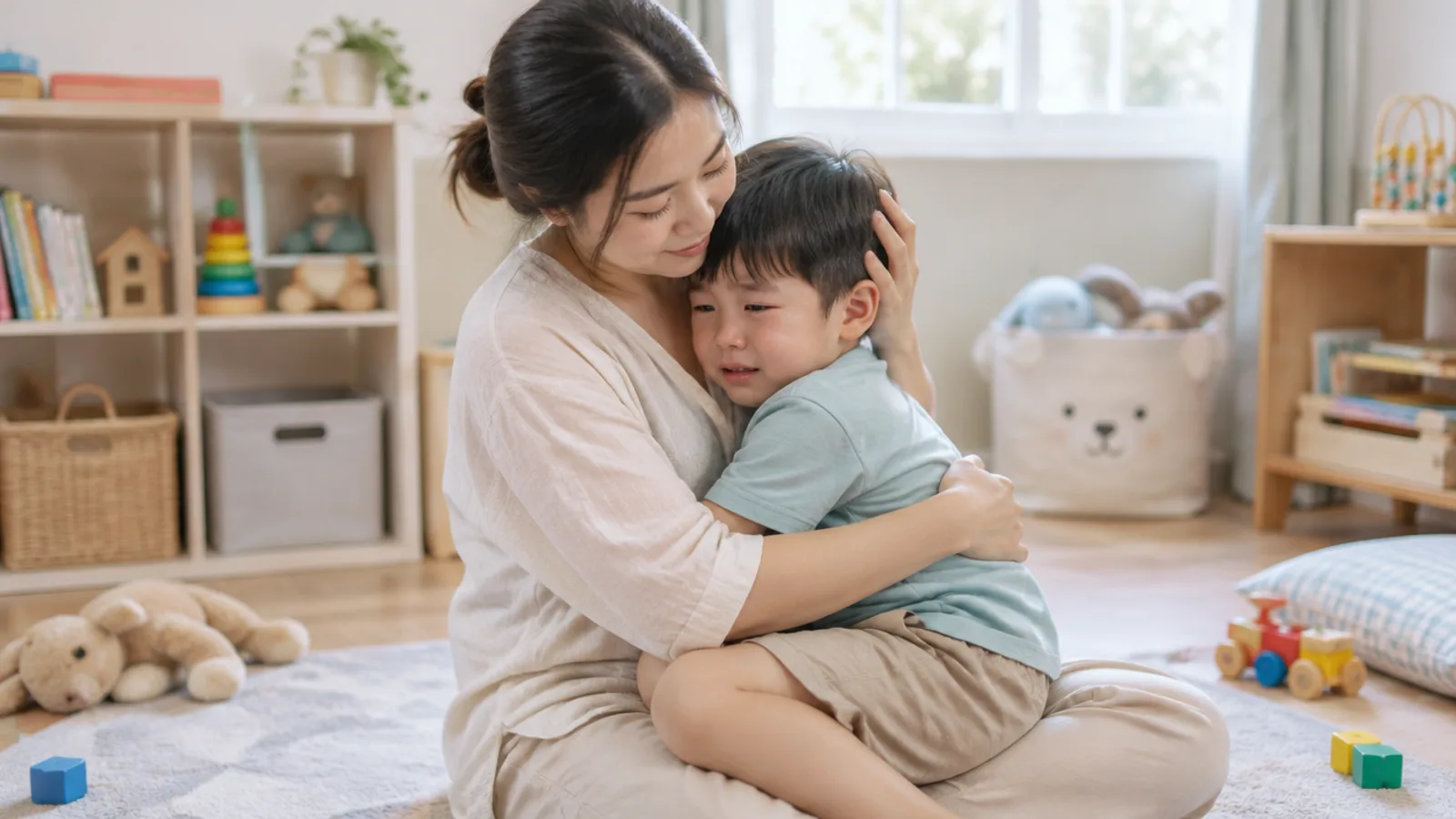
For young children, an effective approach is for parents to put their feelings into words, such as, "Are you angry because you have to stop playing?" This helps them gradually learn the names of emotions, a normal part of development for 2-year-olds.
You can teach emotional awareness by telling stories involving different emotions and asking your child questions about the feelings in the story. Pictures can also help illustrate different emotions.
As your child becomes more aware of their feelings, they will be better able to respond appropriately, laying a helpful foundation for future emotional regulation.
| Feeling | Explanation |
|---|---|
| Sadness | Feeling upset or discouraged, such as when losing something you love or being unable to do something you want. |
| Joy | A positive, happy feeling that comes from achieving a goal or getting something you want. |
| Anger | Feeling dissatisfied or finding a situation unacceptable, such as when being threatened or feeling angry. |
2. Developing good decision-making

This section looks at teaching your child to make good, appropriate decisions in different situations. Good decision-making is an important skill for regulating emotions and managing situations that arise.
You can teach effective decision-making through techniques such as examining options and their possible consequences, asking questions to gather more information, and using reason to make decisions. These approaches suit primary-school children and older. For younger children, start with two simple choices, such as, "Would you like to wear the red shirt or the blue one?"
When children can make good decisions, they gain confidence in regulating their emotions and handling situations, helping them respond to their feelings effectively.
3. Teaching anger management
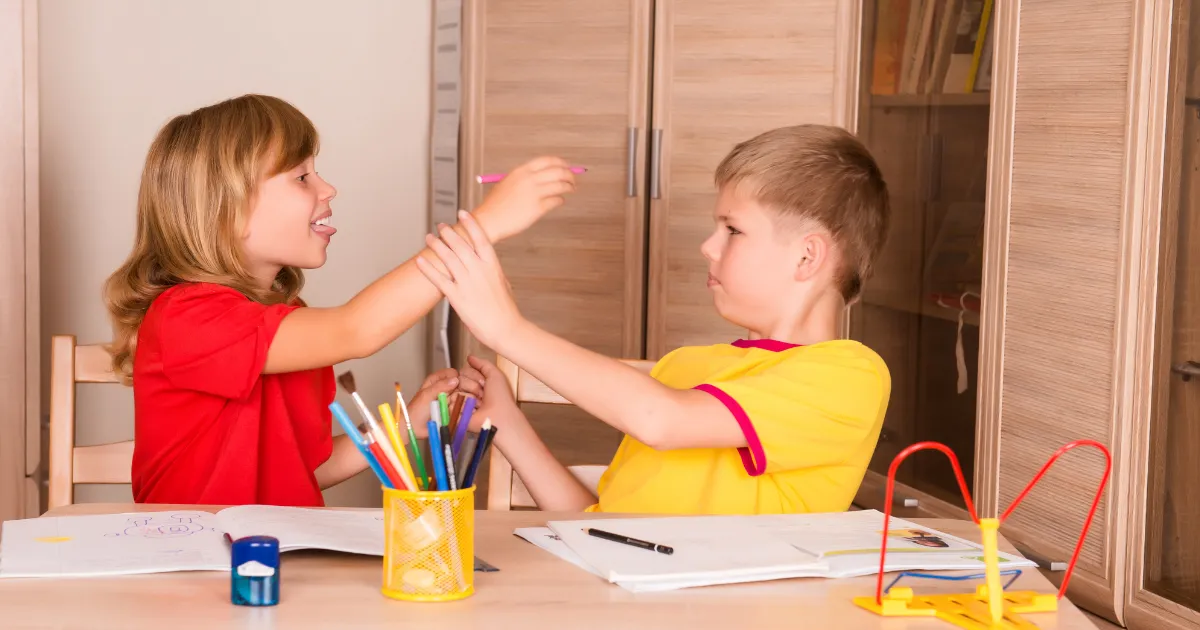
This section explains how to manage anger appropriately without harming yourself or others. Learning to regulate anger is an important part of developing your child's emotional skills. Managing and controlling anger helps reduce the impact of expressing this emotion.
You can help your child understand what causes their anger and the feelings that arise through techniques such as using polite, nonconfrontational language, practicing appropriate decisions in frustrating situations, and expressing other suitable emotions clearly.
Teaching your child appropriate anger management can help reduce worry and discomfort when facing frustrating situations. It also helps create a relaxed, friendly atmosphere at home, allowing your child to feel at ease and build better relationships with adults and friends.
An example of managing anger:
When your child is angry, teach them to breathe deeply and count backward to help regulate their anger. You can also guide them in letting go of inappropriate expressions of anger. When they feel angry, teach them to express their opinions or feelings politely and appropriately.
| Anger management approach | How to teach it |
|---|---|
| Help your child understand what causes anger | Explain that anger can arise from situations or things that do not go the way your child wants. Teach them to find solutions or handle the situation without intense emotional reactions. |
| Teach appropriate decision-making skills | Create opportunities for your child to make their own decisions. Encourage them to think things through and gently help them see the effects of responding politely to unreasonable situations. |
| Create a relaxed atmosphere at home | Build a relaxed, friendly family atmosphere by modeling appropriate emotional expression and listening attentively to your child's opinions and feelings. You can also help them recognize the effects of expressing anger and learn other appropriate ways to express emotions. |
4. Building happiness and contentment

Build happiness and contentment in life by finding joy in small things and feeling good about yourself. Happiness and contentment benefit your child's physical and mental health and can help reduce overall stress and sadness.
Teach by example, showing your child how to enjoy small things in everyday life, such as appreciating the beauty of nature, helping others, and meeting wonderful friends. Share stories or experiences that bring you happiness and contentment.
You can also teach your child the importance of feeling content with themselves by reflecting on activities that make them feel good and developing skills for managing feelings. Examples include deep breathing to create inner calm and noticing feelings and emotions in the present moment.
5. Developing understanding and awareness of others' emotions

This section focuses on helping your child understand and recognize other people's emotions. Teach them that everyone has different feelings and can communicate them appropriately.
Various techniques can help children better understand and recognize others' emotions. One is listening: paying attention to and developing a deeper understanding of what another person is feeling.
Another technique is asking questions. Encourage your child to notice and ask about other people's feelings, such as, "How did you feel then?" or "What did you think when that happened?" This helps them truly understand and recognize others' emotions.
You can also build understanding of others' emotions by modeling connection and cooperation. Help your child understand other people's perspectives and experiences, and give them opportunities to share their own feelings and emotions.
By developing understanding and awareness of others' emotions, your child will learn that everyone has different circumstances and will be better able to communicate and understand others' feelings appropriately.
| Technique | How to use it |
|---|---|
| Listening | Pay attention to and deepen your understanding of other people's feelings. |
| Asking questions | Notice and truly understand other people's feelings. |
| Building relationships | Understand other people's perspectives and experiences. |
Putting emotional regulation techniques into practice
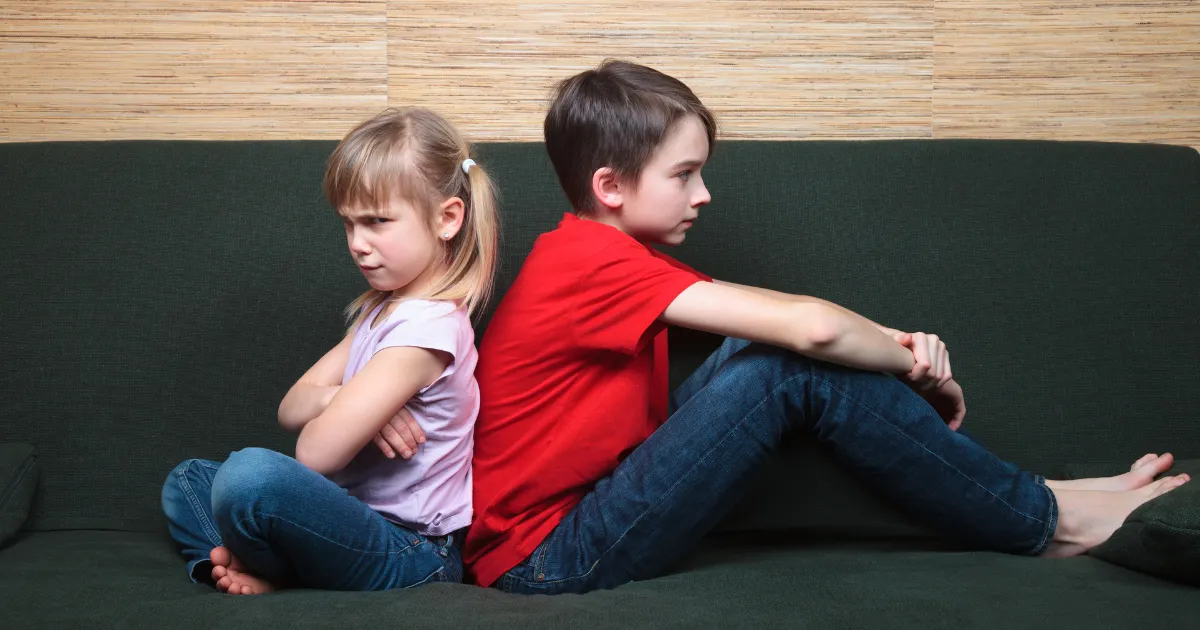
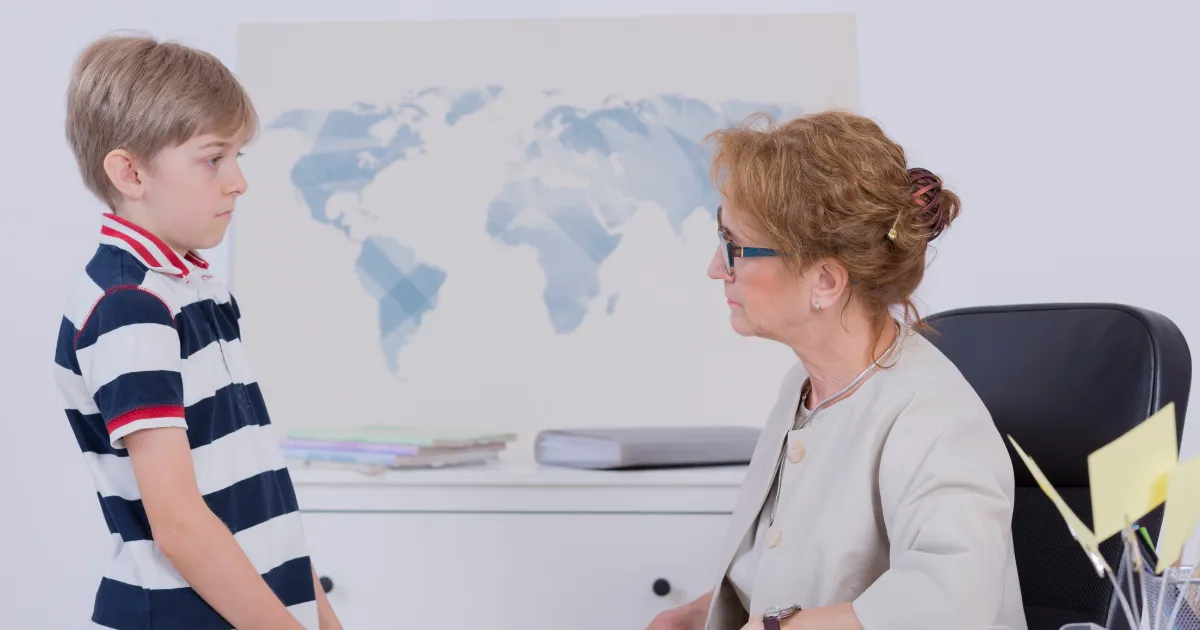
When taught appropriately, emotional regulation techniques can become effective tools to help your child manage their feelings in everyday life. Here are some techniques your child can use:
1. Recognizing and accepting emotions
Help your child understand their feelings and emotions. Talk about the emotions they experience and explain that feelings are natural and valuable. Encourage them to accept their emotions and let them pass when appropriate. If your young child gets so angry that they throw things, read more about handling a child who throws things when angry and 4 ways to handle an angry child.
2. Defining and setting goals
Help your child set clear goals for regulating their emotions. Teach them how to set goals that encourage and motivate them to manage feelings constructively.
3. Using emotional reframing
Teach your child emotional reframing techniques: ways to change their thoughts or look at information that helps them better understand and regulate their emotions. For example, they might think about successes instead of failures.
| Emotional regulation technique | Explanation |
|---|---|
| Recognizing and accepting emotions | Understand and accept emotions as they arise. |
| Defining and setting goals | Set clear goals. |
| Using emotional reframing | Shift feelings to help regulate emotions. |
Setting goals for emotional regulation
This section explores how to set clear goals to help your child manage emotions constructively and appropriately. Clear goals help children see what they need to do and gradually improve their emotional regulation. This approach suits primary-school children who already understand the idea of goals.
When setting emotional regulation goals for your child, choose goals they have a realistic chance of achieving. Involve them in setting the goals and encourage responsibility for following through.
| Goal | Method |
|---|---|
| Recognize emotions as they arise | Teach your child to recognize the emotions they experience by writing in an emotions journal whenever feelings arise and talking together about emotions experienced at different times. |
| Adjust emotional responses | Teach your child ways to shift unwanted emotions toward feelings that are appropriate and helpful. Techniques such as deep breathing and talking to an adult can help reduce tension and anger. |
| Recognize the results of emotional regulation | Teach your child to recognize the results of managing their emotions. Encourage them to notice and record positive outcomes, such as feeling at ease or happy, to deepen their understanding of emotional regulation. |
Setting emotional regulation goals is a process that takes time and patience. Support and encourage your child as they work toward their goals, and give them time to learn and develop their emotional regulation skills.
Conclusion
In this article, we have shared ways to regulate emotions appropriately and handle feelings effectively. Start by teaching your child to recognize and understand their feelings, then help them learn to make good, appropriate decisions in different situations.
We have also covered teaching your child to manage anger appropriately without harming themselves or others, and building happiness and contentment in life by helping them understand the importance of finding joy in small things and feeling good about themselves.
We have explored helping your child understand and recognize other people's emotions, learning that everyone has different feelings and can communicate appropriately. We have also shared simple emotional regulation techniques your child can use in everyday life.
Parents' words and attitudes matter most. Try avoiding things you should not say to your child and make time to talk with your child regularly. If your child frequently has intense emotions that affect eating, sleeping, or socializing, consult a pediatrician or child development specialist.
FAQs
What is the first step in teaching a child to regulate emotions?
Start by teaching your child to recognize and understand their feelings so they can handle their emotions effectively.
What matters when teaching a child to regulate emotions?
Parents should model appropriate emotional expression, listen to their child's feelings, and choose age-appropriate teaching methods. Start by naming emotions for young children, then introduce decision-making and goal-setting as they get older.
How can clear goals help with emotional regulation?
When your child sets clear emotional regulation goals, such as calming themselves or managing feelings in challenging situations, they can see their progress and feel encouraged to keep practicing. This approach suits primary-school children and older.