






Recommended: 5 Signs of Developmental Delay in Children: What Causes It and What Should You Do?
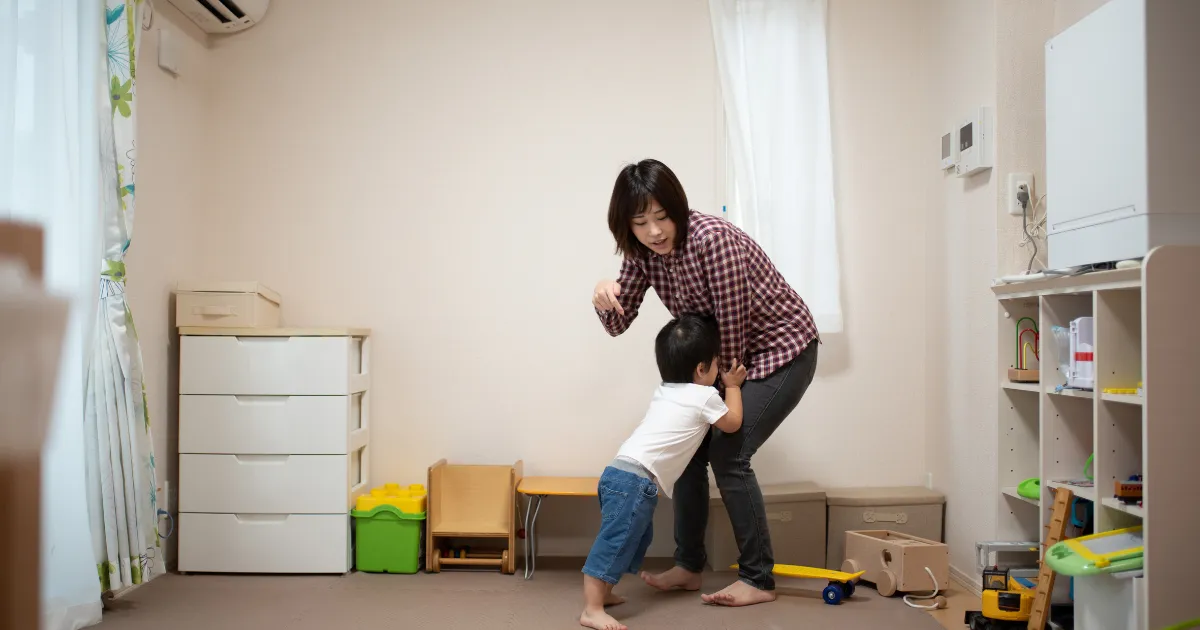
Why does my child throw things?
A child's tendency to throw things can have several causes, which vary from child to child. These may include a buildup of feelings, family responses, emotional expression, an interest in experimenting, the surrounding environment, and misunderstandings about the reasons behind this behavior.
Addressing your child's throwing behavior may require family support and an exploration of the factors contributing to it. Managing emotions and communicating are important parts of this process.
When is throwing things normal for a child's age?
At around 9–18 months, dropping and throwing objects are normal learning behaviors. Your child is experimenting with cause and effect, developing hand muscles, and enjoying adults' reactions. At ages 1–3, children often throw or hurl objects when angry or frustrated because they cannot yet express their feelings very well. These outbursts and tantrums are common in toddlers and usually decrease as children become better able to communicate at around age 3–4, according to the American Academy of Pediatrics and NHS.
Consult a pediatrician if your child still has very frequent tantrums and throws things after age 4–5, throws objects at others or hurts themselves to the point of injury, or also has delayed speech development.
How can you address your child's throwing behavior?
1. Create a safe environment

Creating a safe environment for your child is an important part of building understanding, love, and care within the family.
Create a personal space: Give your child a personal "safe space" where they can manage their anger. This could be the living room or a small corner of their bedroom where they can take a break without throwing things.
Keep noise levels down: A quiet atmosphere often helps children feel safe and calm. Avoid shouting to get someone's attention or creating unnecessary aggression at home.
Set rules and boundaries: Establish clear household rules and boundaries about acceptable behavior and how feelings can be expressed. This supports your child's learning.
Play together: Playing with your child builds engagement and positive feelings, and helps reduce their anger.
Talk and offer support: Talk with your child about their feelings and anger, and reassure them that you are by their side and ready to help when problems arise.
Safety precaution: Keep hard, breakable, and sharp objects out of your child's reach. If your child throws things at another person or a pet, gently hold their hands, briefly say, "You cannot throw things at people because it hurts," and put the object away for now.
2. Encourage learning through experience
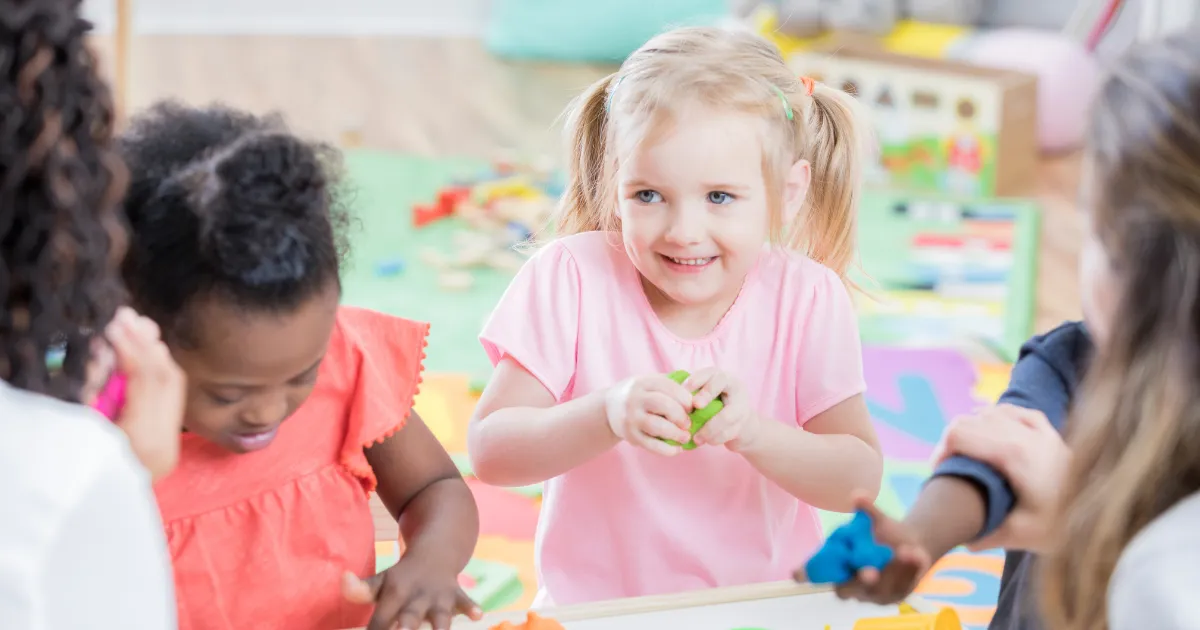
Creating an environment that helps your child learn about emotions and how to manage them is important for developing essential life skills. Here are some approaches parents can try:
Create an environment that supports learning about your child's emotions:
- Make time to talk: Talk with your child about their emotions and feelings. Show interest and understanding.
- Use words for emotions: Help your child learn to talk about their emotions and develop suitable vocabulary for expressing their feelings.
- Use multimedia: Multimedia can be a useful tool for teaching and learning about emotions. Use children's storybooks, videos, and suitable apps to help develop emotional awareness and emotion management skills.
Building these foundations supports your child's future happiness and growth. Learning about emotions and managing them are skills that affect every area of life and play an important role in your child's developing personality and future success.
Recommended: 7 Ways to Encourage Your Child to Talk: What to Do When Your Child Rarely Speaks
3. Teach emotion management skills
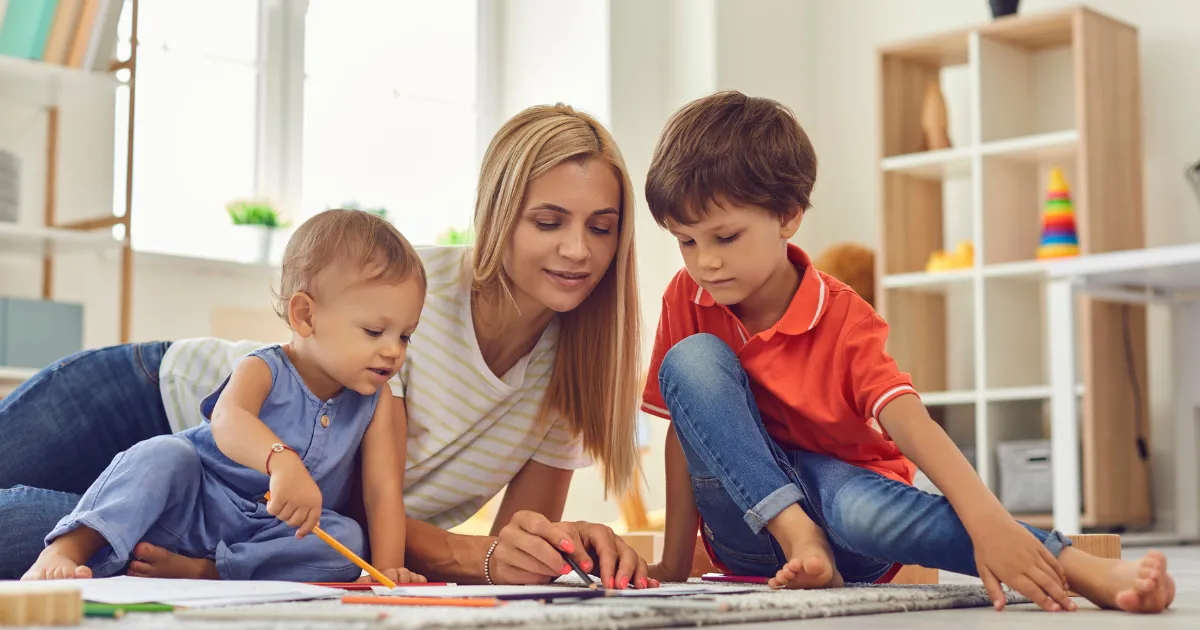
Supporting your child's emotion management skills is important for helping them respond to their feelings appropriately. Here are some ways you can encourage these skills:
Teach them to pause: Help your child manage their emotions by teaching them to stop, take deep breaths, and wait a moment before reacting quickly to a situation or feeling. This gives them time to think and avoid reacting in the heat of the moment.
Use words to describe feelings: Teach your child to communicate their feelings and emotions clearly. This helps them express themselves and ask for attention when they need support.
Encourage learning from experience: Help your child learn from their experiences by inviting them to talk about what happened and what they learned. This helps develop their emotion management skills.
Offer choices: Give your child opportunities to choose and take part in decisions. This helps them develop a sense of control over themselves.
Supporting your child's emotion management skills builds an important foundation for their future happiness and growth. It also helps develop resilience through learning and in situations that make them angry or upset.
4. Set an example
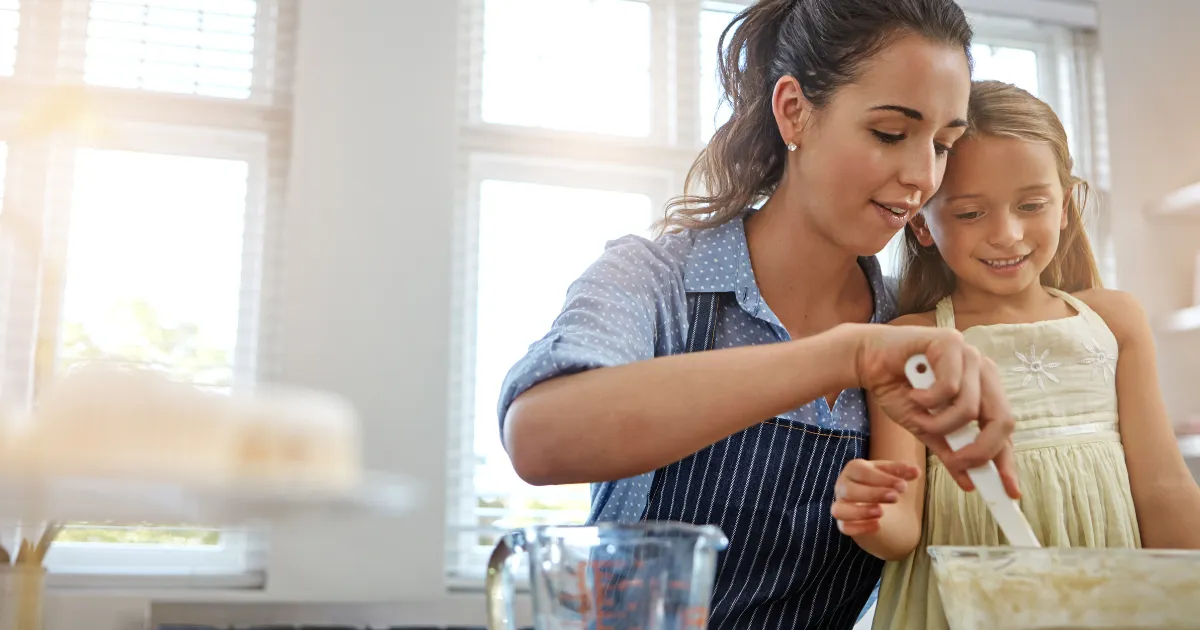
Children learn how to manage emotions by watching and imitating their parents. If adults shout, throw things, or hit when angry, children are likely to follow their example. When you feel angry, try saying aloud, "Mommy is feeling angry. I'm going to take some deep breaths first," and let your child see you calm yourself down. Avoid hitting or harsh punishment, as this teaches children to use violence. Alongside setting an example, talking openly about feelings is important. Here are some ways to do this:
Create an open environment: Let your child know that home is a place where they can talk openly about their feelings and emotions, whatever the topic. Be someone who is ready to listen and hear how your child feels.
Listen and understand: Let your child know that you sincerely want to understand their feelings and emotions. Listen attentively without immediately trying to solve the problem or offer advice.
Avoid judgment or negative responses: Do not judge or respond negatively when your child talks about their feelings or emotions. Instead, support them and help them find constructive ways to cope.
Teach clear emotional language: Teach your child to use words to express their feelings and emotions clearly. This helps them tell you exactly how they feel.
Reassure them of your love and understanding: Let your child know that your love matters and does not depend on how they feel at a particular moment. Your understanding and love remain steady as their emotions develop.
Let your child know they can discuss their feelings and emotions openly within the family: Reassure them that they can speak openly about their feelings and emotions at home. This helps them learn to manage emotions as they go.
Encouraging your child to talk about their feelings and emotions builds an important foundation for understanding and strong family relationships.
5. Help your child relax
Helping your child relax when angry or upset is an important way to support them in managing their emotions and behavior. Here are some things you can do:
Offer comforting toys: If your child tends to throw their belongings to release tension after feeling angry or upset, offer comforting toys such as a soft doll, a soft pillow, or a soft toy dog. This gives your child an effective way to relax.
Practice pausing and taking deep breaths: Teach your child to stop and take deep breaths to cope with anger or upset. Explain that waiting a moment before reacting can help reduce anger and make it easier to manage their emotions.
Allow time for a break: If your child feels angry or upset, give them time to rest by letting them go to their "safe space" and relax until they feel calm.
Encourage conversations about feelings: Encourage your child to talk about their feelings and emotions, including what made them angry or upset. This helps them learn how to manage their emotions.
Talk things through: Talk with your child about different ways to manage their emotions and behavior in situations that make them angry or upset. Encourage them to think of solutions that do not involve throwing things.
Supporting your child in relaxing when angry or upset is a helpful way to guide them in managing their emotions and behavior. Read more about teaching children to manage their emotions and ways to respond to an angry child.
Shop for toys for your little one6. Seek professional help
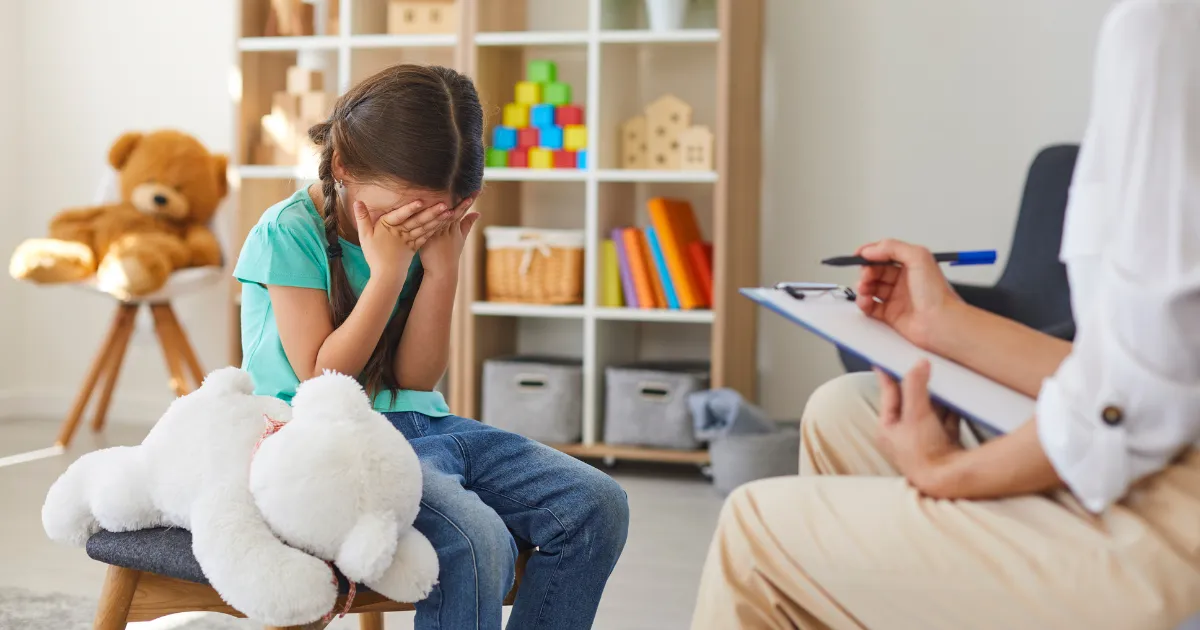
Seeking help from a child behavior specialist, such as a child psychiatrist or child psychologist, is an important step when the problem becomes difficult and your child shows no improvement. Here are some reasons to seek professional support:
Expertise: Child behavior specialists have knowledge and experience in addressing children's behavioral difficulties and emotion management. They understand child development and can offer guidance on resolving problems.
Improving emotion management and behavior: A specialist can help assess the problem and identify coping strategies or techniques suited to your child's emotional and behavioral needs.
Planning and setting goals: A specialist can help set goals and create a plan to improve your child's emotion management and behavior.
Working together: A specialist can build a connection with your child and work with you to provide comprehensive support for improving emotion management and behavior.
Family guidance and support: A specialist can advise and support your family in dealing with the problem and improving the situation.
Seeking help from a child behavior specialist is an important step in preparing your child to improve their emotion management and behavior, and in finding effective solutions.
Conclusion
Addressing a child's tendency to throw things when angry is important for developing emotion management skills and appropriate behavior. Understanding and support are essential throughout this process. You can create a safe environment, teach emotion management skills, encourage conversations about feelings, set a good example, use monitoring and boundaries to support learning, and seek professional help when needed. With suitable steps and support, families can help children develop a full range of skills for managing their emotions and behavior.