






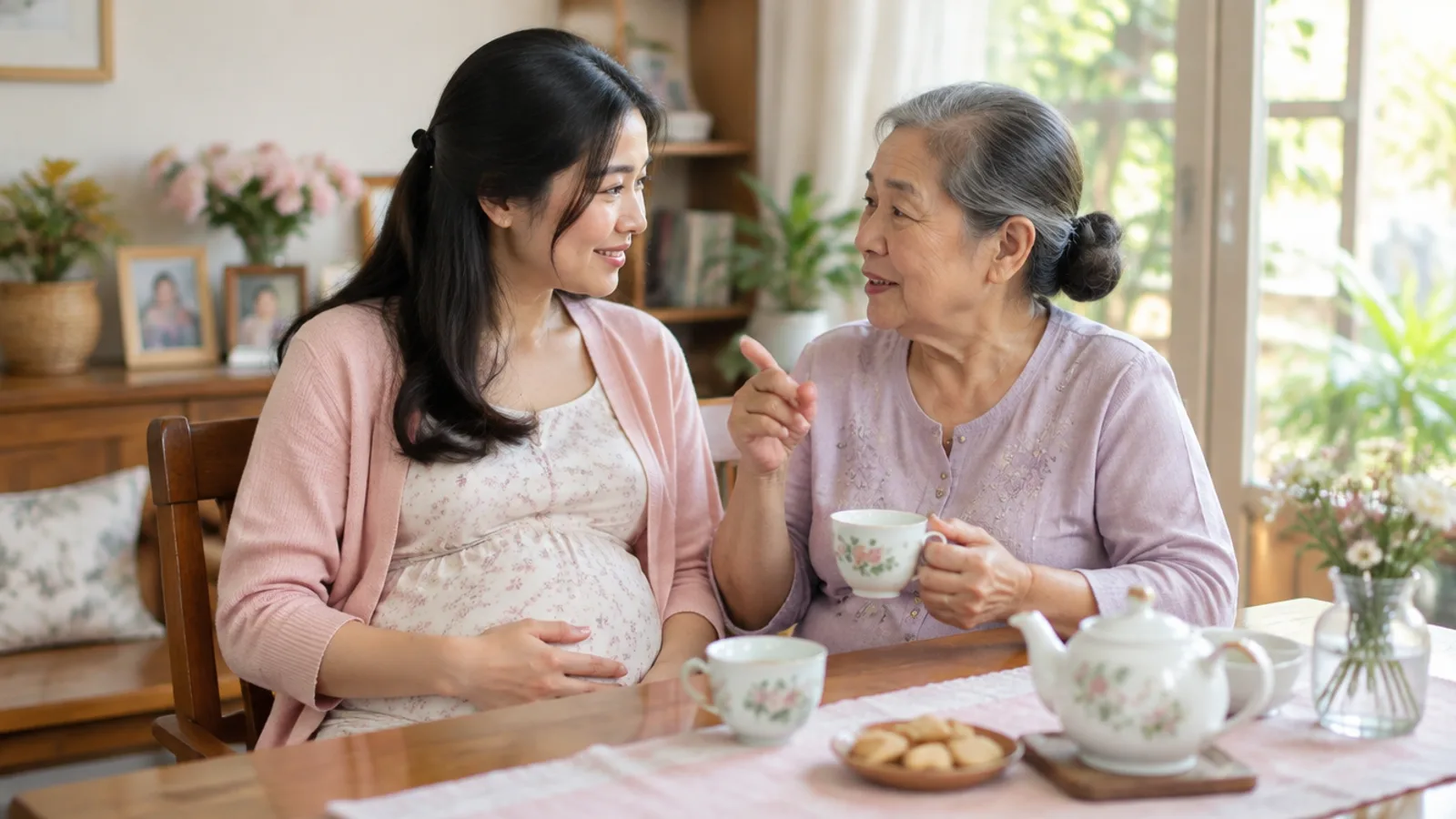
Traditional Thai customs include various taboos for women in early pregnancy intended to protect unborn babies and keep them safe. These restrictions have been passed down since ancient times. Whether they concern food and drink, movement, everyday activities, or even travel, women in early pregnancy were expected to follow them strictly.
In this article, we explore "10 Early Pregnancy Taboos: What Do Traditional Thai Beliefs Say?" We also look at the facts and medical explanations behind whether these practices are beneficial.
Recommended: Pregnancy Symptoms Checklist: Could You Be Pregnant Without Realizing It?
What Are the 10 Traditional Early Pregnancy Taboos?
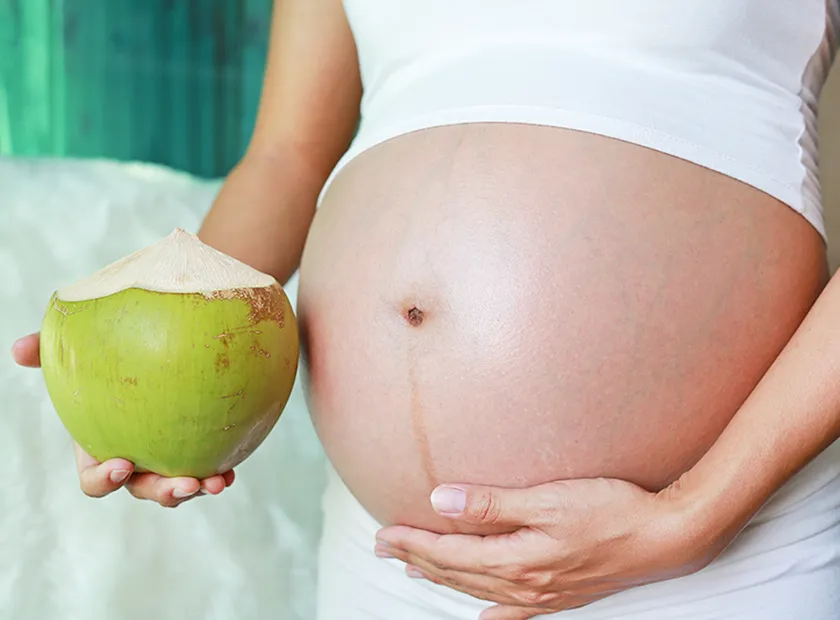
1. Drinking Young Coconut Water
There are several beliefs about coconut water. Some say drinking it means the baby will be born clean, without vernix, while others say drinking it in early pregnancy could cause a miscarriage. Neither belief is supported by medical evidence.
Nutritionally, coconut water is relatively high in potassium and low in sodium, so most pregnant women can drink it in moderation (Source: Healthline). However, it contains natural sugars, so mothers with gestational diabetes or those who need to manage their weight should limit their intake. Choose clean, freshly opened coconuts, and avoid coconut water that has been left open for a long time, as it may spoil and cause diarrhea.
Recommended: What Foods Should You Avoid in Early Pregnancy?
2. Do Not Look Up at the Moon
Some groups traditionally believed that looking up at the moon would cause the baby to be cross-eyed. However, there is no medical evidence confirming that looking up at the moon harms health or poses a risk to eyesight.

3. Do Not Bathe Late at Night
The traditional taboo against bathing late at night probably dates back to when people had to bathe at wells, canals, or outdoor bathing areas. At night, it was dark, paths were slippery, venomous animals might be nearby, and the cold could make people feel unwell. Pregnant women were therefore told to avoid it for their safety. Today, with bathrooms indoors, bathing late at night does not harm the unborn baby. Simply watch out for slippery bathroom floors, use a nonslip mat, and avoid very hot showers or long soaks in hot water.
4. Do Not Buy Baby Supplies
The rule against buying baby supplies and keeping them at home before the birth is a traditional belief. It was thought that buying them could mean the baby would never be born, because jealous spirits would take the baby away. In practice, buying baby supplies before birth is a personal choice and a way for families to prepare for their expected arrival. Today, preparing to welcome a baby is natural and normal. There is no scientific basis for the idea that buying baby supplies before birth affects the baby's health.
Recommended: Newborn Essentials: What Should You Prepare Before Going Out?
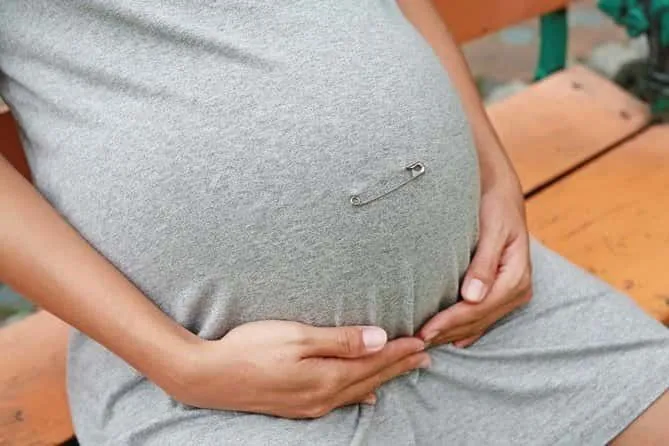
5. Attach a Safety Pin to Your Clothing When Going Out in the Evening
Attaching a safety pin to clothing to ward off evil is a cultural belief. It may offer reassurance to some families, but there is no scientific evidence that it protects a pregnancy. A pin is not a medical safety measure.
6. Do Not Insult or Curse Others
The traditional belief that pregnant women should not curse or insult others because their babies would be affected by those harmful words was simply a way to encourage good behavior. The real intention was to help pregnant women maintain their emotional well-being and avoid anger toward others. Staying emotionally relaxed is indeed good for expectant mothers.
7. Do Not Sit Across the Stairs
The taboo against sitting across stairs is a cultural belief held by certain groups. It may simply have been intended to prevent accidents, out of concern that a pregnant woman could become dizzy and fall down the stairs, perhaps when nobody was nearby or able to help in time. There is no scientific evidence that sitting across stairs makes childbirth difficult.
8. Pregnant Women Must Not Attend Funerals
The taboo against pregnant women attending funerals comes from the belief that a spirit might follow them home. It is part of a cultural tradition dating back hundreds of years. Although there is no scientific evidence that attending a funeral harms pregnant women, the belief may reflect concern that emotional sensitivity during pregnancy could leave them feeling anxious, sad, or upset.
Recommended: 5 Easy Activities to Relieve Pregnancy Stress at Home
9. Do Not Eat Fused Bananas, or You Will Have Twins
A commonly heard belief is that eating fused bananas—two bananas joined together—during pregnancy will result in twins. Medically, however, twin pregnancies occur when more than one egg is released or when a fertilized egg splits into two embryos. This is associated with genetics, the mother's age, and fertility medications that stimulate ovulation, rather than the food she eats. Whether a pregnancy involves twins is already determined at fertilization, so mothers can eat bananas as usual.
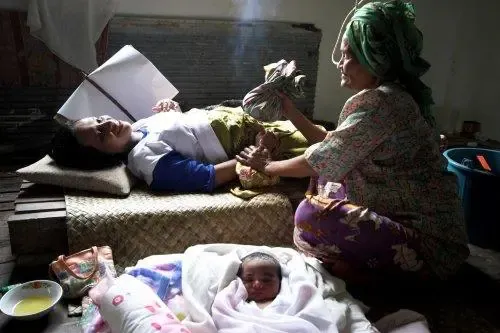
For background on this postpartum tradition, read What Is Postpartum Warming by a Fire, and Is It Important? Warming by a fire is not a proven treatment for childbirth tears or postpartum chills, and excessive heat can cause burns. Not following the tradition does not itself cause chills. Tell your maternity team if you shiver after birth, especially if you also have fever, heavy bleeding or feel unwell.
10. Do Not Hammer Nails or Sew, or Your Baby Will Have a Cleft Lip
Traditional beliefs held that if a pregnant woman hammered nails, sewed, or used sharp objects, her baby would be born with a cleft lip and palate. In fact, cleft lip and palate develop early in pregnancy while the baby's face is forming. Multiple factors can contribute, including genetics, smoking during pregnancy, maternal diabetes, and certain medications. They are unrelated to hammering nails or sewing (Source: NHS). Mothers can take folic acid as advised by their doctor starting before pregnancy, avoid smoking, and consult a doctor before taking any medication. Read more about taking prenatal supplements.
There are also traditional beliefs about babies after birth, such as manually bending their legs to correct bowlegs. This is simply an old belief and is not recommended medically. Trying to bend a baby's legs to prevent bowlegs can put a newborn at risk of physical injury, and there is no medical evidence supporting its effectiveness in correcting bowlegs. If you have concerns about your baby's development, consult a specialist for advice and guidance.
Conclusion
These cultural beliefs and taboos are simply traditions, without scientific evidence or confirmation that they are accurate. If you have concerns about your baby's health or birth, consult a relevant medical specialist for advice and appropriate care. What really deserves attention in early pregnancy is avoiding alcohol and smoking, avoiding raw or undercooked foods, and attending scheduled antenatal appointments (see the list of foods to avoid from the NHS).