






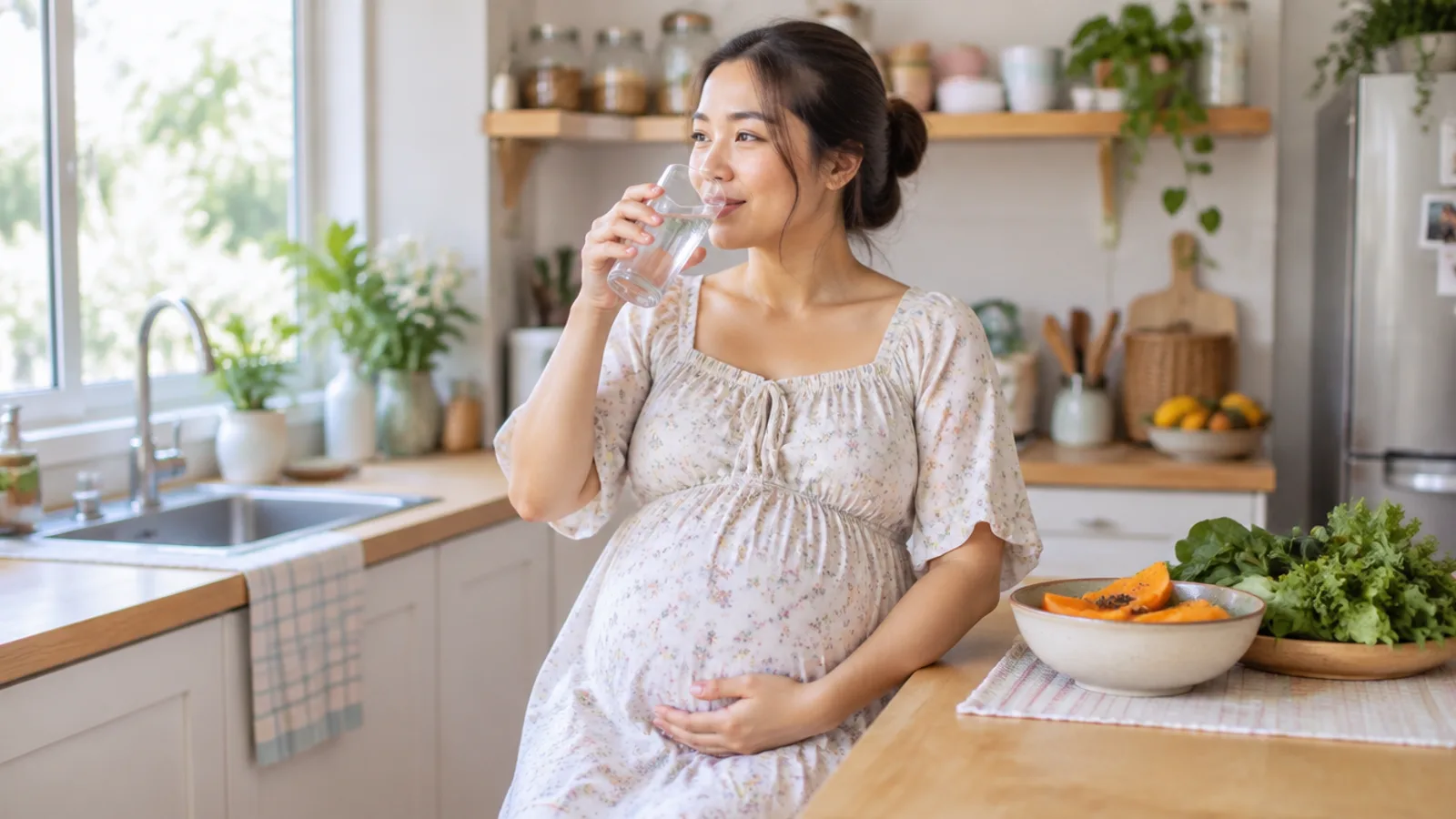
Hemorrhoids are common during pregnancy and can cause both short-term and longer-lasting discomfort.
Here, we explore what causes hemorrhoids during pregnancy and the steps you can take to prevent and treat them without affecting your baby.
Recommended: 7 Pregnancy Complications Expectant Mothers Should Know About
What Causes Hemorrhoids During Pregnancy?
Hemorrhoids during pregnancy occur when blood vessels around the anus become swollen and inflamed. The anus is the very end of the digestive tract, following the rectum, which is the final section of the large intestine. It controls the passage of stools. Groups of veins lie beneath the lining in this area. When these vessels enlarge and swell, they form hemorrhoidal lumps. (Source: NHS)
During pregnancy, the uterus grows, hormone levels change, and the expanding uterus puts pressure on the anus. These changes can make blood vessels in this area more likely to swell and become inflamed, leading to hemorrhoids.
Factors that can contribute to hemorrhoids during pregnancy include:
A growing uterus: As the uterus expands, it can put pressure on the anus and the blood vessels in this area.
Hormonal changes: Hormonal changes during pregnancy may affect the widening of blood vessels around the anus.
Constipation: Constipation can cause congestion around the anus.
Standing or sitting in the same position: Standing or sitting in one position for a long time may make it harder for blood to flow back up toward the abdomen.
Hemorrhoids during pregnancy can be treated through changes to daily habits, a healthy diet, exercise, and medicines or creams prescribed by a doctor. If symptoms are very severe or do not respond to usual treatment, you may need to see a doctor for further assessment and treatment.
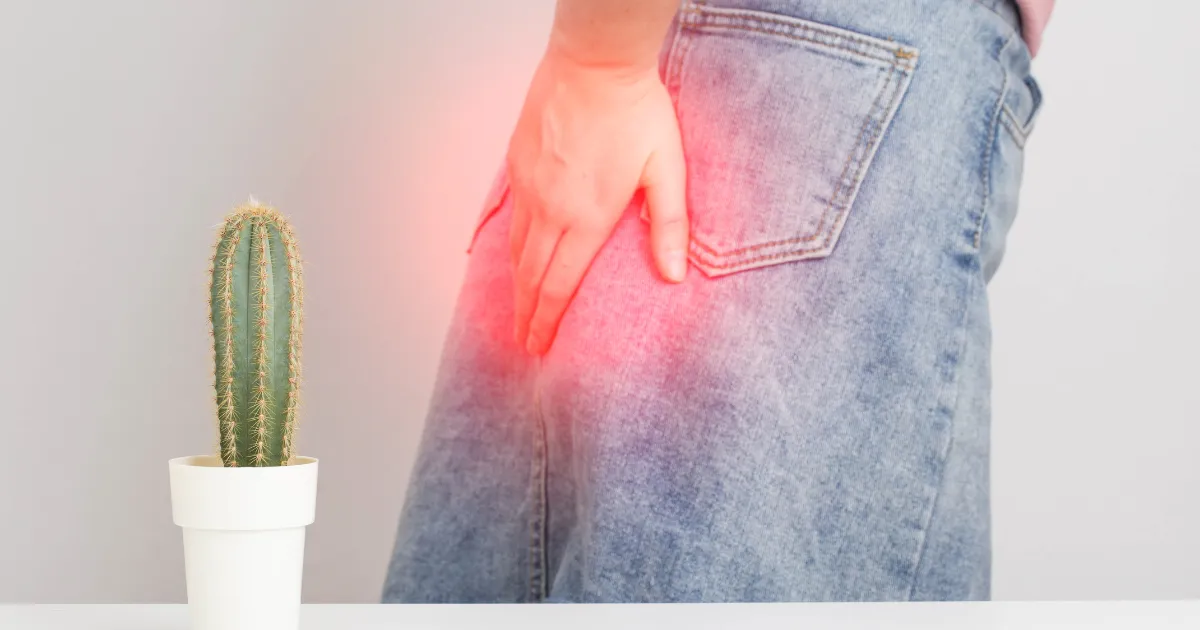
Are Hemorrhoids During Pregnancy Dangerous?
Hemorrhoids are a health problem that can occur during pregnancy. They are usually not considered a serious danger, but they often cause discomfort and pain. This article outlines hemorrhoids and treatment at their different stages.
The stages of hemorrhoids:
- Stage 1: Bleeding occurs, but no hemorrhoidal lump protrudes.
- Stage 2: A hemorrhoidal lump protrudes during bowel movements and can retract on its own.
- Stage 3: A hemorrhoidal lump protrudes during bowel movements but cannot retract on its own.
- Stage 4: A hemorrhoidal lump remains outside the anus all the time, both during and between bowel movements.
Can Hemorrhoids Go Away on Their Own?
In some cases, hemorrhoids can go away on their own after childbirth. Following birth, the uterus becomes smaller, and muscle relaxation helps the hemorrhoids subside. Reduced pressure and a normal delivery can help reduce inflammation.
How to Treat Hemorrhoids During Pregnancy
There are several ways to treat hemorrhoids during pregnancy, depending on symptom severity. Before starting treatment, consult a doctor for an accurate diagnosis and a suitable treatment plan. Lifestyle changes and general health care also play an important role in treating and preventing hemorrhoids during pregnancy:
Eat foods containing fiber: Eating high-fiber foods helps stimulate bowel movements and reduce pressure on the anus.
Drink water: Drinking plenty of water supports digestion and softens stools.
Exercise: Gentle exercise approved by your doctor, such as walking, helps improve bowel movement and reduce constipation.
Use medicines or creams: In some cases, a doctor may prescribe medicines or creams containing various ingredients to reduce inflammation and pain.
Procedures such as rubber band ligation, injections, or surgery: These are generally avoided during pregnancy. Most doctors first treat the symptoms and arrange another assessment after birth, because many hemorrhoids improve on their own after delivery. Procedures during pregnancy are considered only for severe complications, with the decision made by a doctor on a case-by-case basis.
Treatment for hemorrhoids during pregnancy should be guided by a doctor to ensure care and treatment are appropriate for each person's condition.
Medicines for Hemorrhoids During Pregnancy
Mothers who develop hemorrhoids during pregnancy may receive suitable treatment as recommended by a doctor, including medicines to relieve symptoms. Commonly used medicines fall into several categories:
Fiber supplements or laxatives: These are used for constipation to soften stools and make them easier to pass. Choose a type that a doctor or pharmacist recommends as safe during pregnancy.
Hemorrhoid suppositories and creams: These help relieve pain, burning, and itching. Some formulas contain steroids or local anesthetics. During pregnancy, do not buy and use them without professional advice. A doctor or pharmacist should select the medicine and specify how long to use it. Follow only the label directions or your doctor's prescription. If you also need other pain relief, read the guidance in Can You Take Painkillers During Pregnancy?
When using medicines during pregnancy, follow the advice of your doctor and pharmacist. Do not disregard the medication instructions given by a medical professional.
General health measures, including eating fiber-rich foods, drinking plenty of water, and exercising, also play an important role in helping reduce hemorrhoids.

Self-Care for Hemorrhoids During Pregnancy
Your health matters during pregnancy, yet many mothers feel embarrassed to talk about bowel problems, even though they are common. Hemorrhoids are one problem many expectant mothers experience. Fortunately, there are simple ways to care for yourself and ease symptoms:
Care for your anal health: Avoid holding in stools for too long, and keep the anal area clean after bowel movements.
Care for your skin: Wash the anal area with clean water after bowel movements and dry it. Avoid cleansing products containing ingredients that may cause irritation.
Soak in warm water: Sit with your bottom in warm water, rather than very hot water, for about 10–15 minutes at a time to help ease pain and itching. Afterwards, gently pat dry with a soft cloth without rubbing hard.
Wear loose clothing: Wear loose, comfortable clothes. Avoid tight trousers.
Eat well: Eat fiber-rich foods such as vegetables, fruit, and grains, and drink plenty of water to keep the digestive tract hydrated.
Sleeping position: As your bump grows, sleeping on your side, especially your left side, instead of on your back may help reduce pressure from the uterus on blood vessels in the pelvis.
Exercise: Do gentle exercise and avoid straining hard during bowel movements. Follow any specific advice from your doctor.
Relieve stress: Get enough rest and take time to unwind. Doing something you enjoy is another good option.
Following these recommendations can help reduce hemorrhoid symptoms and make you more comfortable during pregnancy. If symptoms are severe or do not improve, consult a doctor for further advice and treatment.
Recommended: 5 Simple Activities to Relieve Pregnancy Stress at Home
How to Prevent Hemorrhoids
Your health is especially important during pregnancy, and hemorrhoids are a common problem that may arise at this time. Here are simple steps you can take to help prevent them:
Change positions: Avoid sitting or standing in the same position for a long time. Sleep on your left side to reduce pressure on your abdomen.
Support anal health: Support bowel health with fiber-rich foods such as vegetables, fruit, and grains. Drink plenty of water to keep the digestive tract hydrated.
Exercise: Do gentle exercise to support bowel function. Avoid straining hard during bowel movements or activities that involve a lot of bending.
Care for your skin: Wash the anal area with clean water after bowel movements and dry it. Avoid cleansing products containing ingredients that may cause irritation.
Care for your digestive system: Choose high-fiber foods such as vegetables and fruit (see examples in Fruit for a Healthy Pregnancy). Cut back on processed foods that are low in fiber. If iron supplements cause significant constipation, consult your doctor instead of stopping them yourself.
Manage your weight: Keep your weight at an appropriate level. Excess weight may increase pressure on your abdomen.
Look after yourself: Avoid sitting in the same place for long periods. Get rest and take time to relieve stress.
Following these steps can help reduce the risk of hemorrhoids during pregnancy. If you develop symptoms or notice unusual changes, consult a doctor for further treatment.
Warning signs: Seek prompt medical attention if you have heavy or persistent rectal bleeding, severe pain, a very painful hard, dark-purple lump that you can feel (which may contain a blood clot), a fever, or black stools. If you are unsure whether bleeding is coming from the anus or vagina, go to hospital immediately, because vaginal bleeding during pregnancy must always be assessed. (Read more from the NHS)
Recommended: 5 Low-Calorie, Nutrient-Rich Meals for Pregnancy Weight Management 2023
Summary
Hemorrhoids during pregnancy occur when veins around the anus enlarge and swell due to pressure from the growing uterus, hormonal changes, constipation, and prolonged standing or sitting in the same position.
Prevention involves eating high-fiber foods, drinking enough water, avoiding holding in stools or straining hard, staying active, and changing your sitting or standing position frequently.
If symptoms develop, basic self-care includes keeping the area clean, soaking your bottom in warm water, doing gentle exercise such as walking, and using only medicines recommended by a doctor or pharmacist. Procedures or surgery are usually deferred for consideration after birth.
Hemorrhoids during pregnancy can cause pain and discomfort for mothers, but they generally do not harm the baby, and many cases improve on their own after birth.