







Changes in a baby's skin after birth are normal. However, some babies develop peeling skin, which can cause considerable concern and distress for the baby and family. This article explores the causes and symptoms of flaky, peeling skin in babies, along with treatment and prevention, to help parents understand and manage the condition confidently.
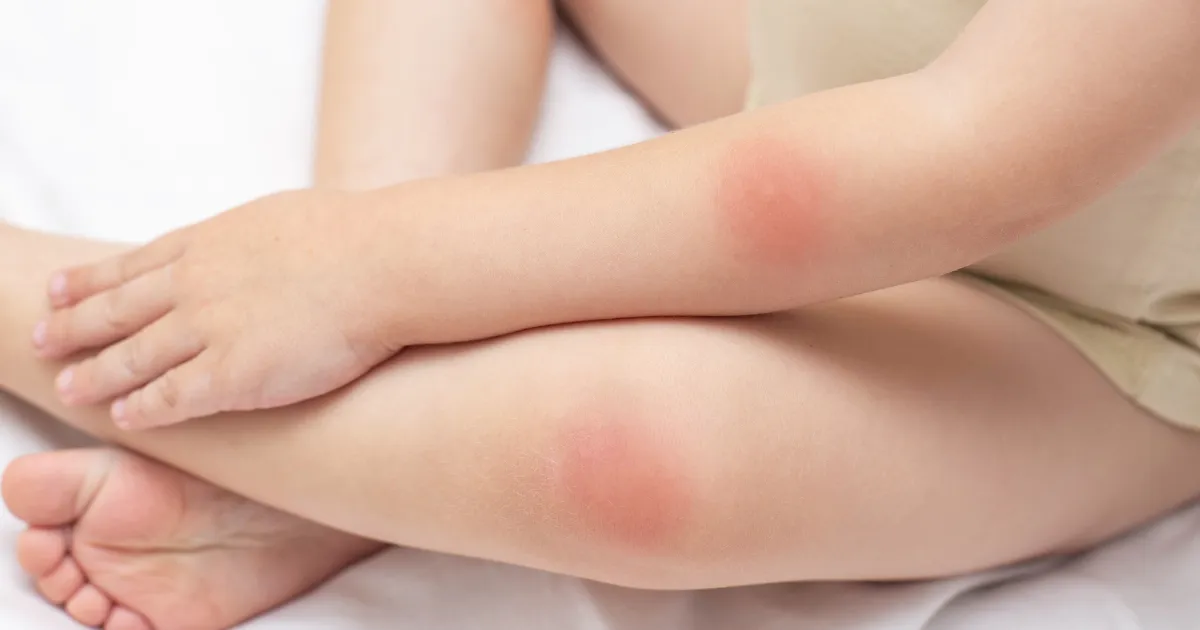
What causes dry, peeling skin in babies?
Flaky, peeling skin during the first 1–2 weeks after birth is usually the natural shedding of the outer skin layer as a baby adjusts from being surrounded by amniotic fluid to the outside air. It is common on the hands, feet, and skin folds, particularly in babies born past their due date. It usually resolves on its own without treatment. Other causes of dry, peeling skin include dry air or air-conditioned rooms, lengthy baths or water that is too hot, and soaps or products containing fragrances or irritating ingredients. Peeling accompanied by a red, itchy rash or greasy scales on the scalp may be eczema or cradle cap and should be assessed by a doctor.
Symptoms associated with peeling skin in babies
Dry, peeling skin can cause symptoms that leave a baby uncomfortable and distressed. Common symptoms include the following:
1. Rough skin
Flaky, peeling skin can feel rough and coarse, making it look less smooth than healthy skin.
2. Thick scales
Flaky, peeling skin often has thick scales built up on its surface, which may cause itching and irritation.
3. Inflammation and patches of redness
Areas of flaky skin are often inflamed and red, which may cause pain.
4. Light or dark patches
Peeling can change the color of a baby's skin. Sometimes the affected areas develop light or dark patches, which may indicate friction against the skin.
5. Itching and irritation
Flaky, peeling skin may cause itching and irritation, leaving a baby uncomfortable and unable to settle.

How to care for a baby's peeling skin
Skin that peels as part of natural shedding does not need special treatment. The important thing is to avoid picking or scrubbing off peeling skin and let it fall away on its own. Keep baths short and use comfortably lukewarm water, rather than hot water. Afterwards, gently pat your baby dry with a soft towel, particularly around skin folds. Plain water is enough for bathing during the first month. If you want to use lotion or oil, choose a fragrance-free product made for babies (read more from the NHS).
Precautions: Do not apply honey, lemon juice, or fresh fruit such as oranges, apples, or papaya to a baby's skin. They may cause irritation or allergic reactions, or introduce germs. Do not use medicines or treatment creams without consulting a doctor.
How to prevent dry, peeling skin in babies
Understanding what causes dry, peeling skin can help you reduce the likelihood of it developing. Here are some ways to care for your baby's skin:
- Keep your baby's skin moisturized: After bathing, apply a thin layer of fragrance-free baby lotion or cream to dry areas, and avoid lengthy baths or hot water.
- Choose gentle cleansing products: Use a small amount of gentle, fragrance-free baby soap or bath wash. Harsh cleansers may strip the skin of its natural oils.
- Provide enough milk: Babies under 6 months should have only breast milk or formula, without other foods or plain water. Fruit and age-appropriate complementary foods can be introduced at around 6 months.
- Dress your baby in skin-friendly clothing: Choose soft clothing made from natural fibers such as cotton. Wash new clothes before the first wear, and avoid clothing that is so thick that it makes your baby sweat.
- Protect against the sun: Babies under 6 months should stay in the shade and avoid direct, intense sunlight. Use lightweight, long-sleeved clothing and a wide-brimmed hat. If sun exposure cannot be avoided, some medical guidelines allow a small amount of sunscreen on limited areas such as the face. Children over 6 months can use sunscreen made for children (source: HealthyChildren.org (AAP)).
Following these steps can help prevent skin problems and keep your baby's skin healthy.
Feeding and Care for a Baby with Peeling Skin
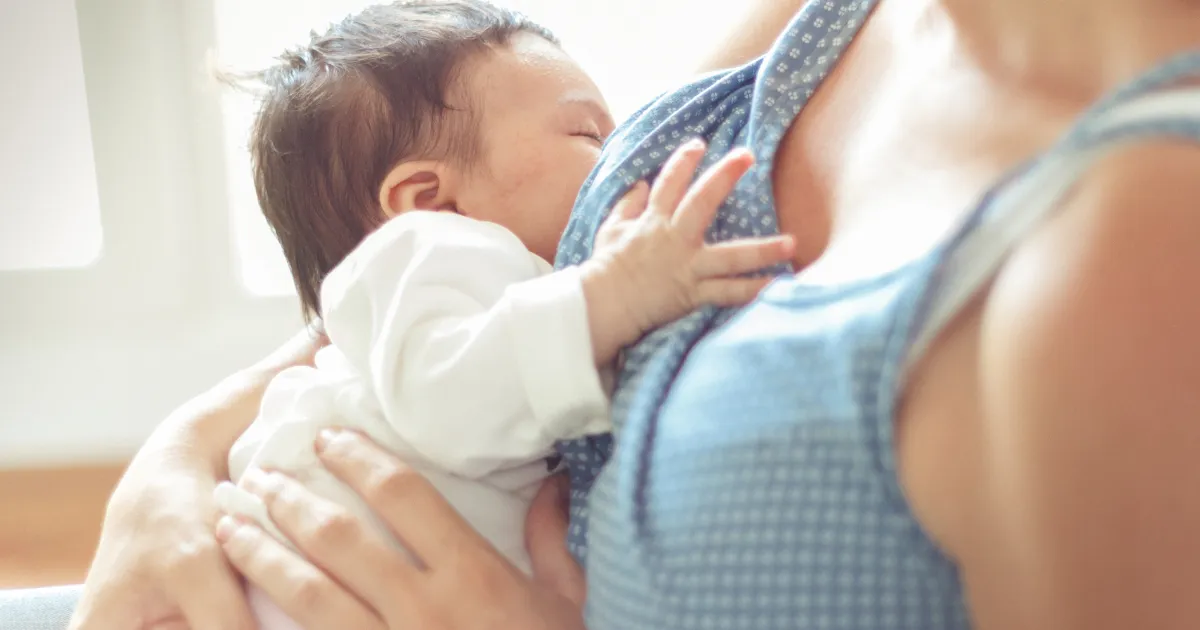
Breast milk is the most suitable food for babies during their first 6 months, providing both the nutrients and fluid they need, so extra plain water is unnecessary. Breastfeeding mothers should eat a varied, balanced diet, drink enough water, and get as much rest as possible. Learn more about breastfeeding technique in How to Breastfeed Your Baby Correctly.
There is no evidence that a mother's diet directly causes a baby's skin to peel. However, a rash accompanied by frequent vomiting, loose stools, or stools containing mucus and blood may indicate a food allergy or cow's milk protein allergy. Consult a doctor before eliminating any foods (read more: Signs of Cow's Milk Allergy in Children).
Steps for treating flaky, peeling skin in babies
When you notice your baby's skin is flaky and peeling, you may feel worried and want to help it recover as quickly as possible. Here are some steps you can try:
- Switch your baby's clothes and diapers to soft materials that do not irritate the skin.
- Moisturize with fragrance-free baby lotion or cream, applying a thin layer after bathing.
- Choose baby skincare products without ingredients that may irritate or damage the skin.
- Avoid cleansers or soaps containing ingredients that may cause allergic reactions or irritate your baby's skin.
- Keep your baby's skin clean with regular lukewarm baths and gentle wiping with a soft cloth.
- Monitor symptoms and adjust your baby's skincare routine according to how well it works and what your baby needs.
These steps can help your baby's skin become smooth and healthy again. Continue to give your baby loving care and appropriate skincare to help prevent flaky, peeling skin from returning.
Tips for preventing dry, peeling skin in babies
When your little one develops skin problems, care and prevention are especially important. Here are some tips for preventing dry, peeling skin:
- Maintain skin moisture: If your baby has dry skin, choose a fragrance-free moisturizer made for babies and use it as directed. Normal newborn shedding does not need to be scrubbed away or prevented.
- Use a soft cloth for cleaning: If your baby's skin is peeling, clean it with a soft, clean cloth. Choose a fabric that will not irritate or chafe your little one's skin.
- Check skincare ingredients: Choose gentle products appropriate for your baby and avoid known irritants. Natural ingredients are not automatically safer and can also cause reactions.
- There is no need to give babies plain water: Babies under 6 months receive enough fluid from breast milk or formula. Giving extra plain water may reduce their milk intake. For external skincare, wipe your baby with a soft cloth dampened with lukewarm water, then pat dry and apply a thin layer of cream.
- Choose suitable clothing: Select clothing made from materials that are gentle on a baby's skin. Soft fabrics can help reduce flaky, peeling skin.
Following these tips can help prevent flaky, peeling skin and keep your little one's skin soft and healthy.
Consulting a doctor about your baby's peeling skin
If you notice flaky, peeling skin and are worried about your baby's skin condition, consult a doctor promptly for a diagnosis and appropriate skincare advice.
Consulting a doctor about flaky skin is an important step in protecting your little one's health. A doctor can provide accurate information about the cause of peeling, the associated symptoms, suitable treatment, and ways to prevent it in the future.
At the appointment, the doctor will examine your baby's skin to make a diagnosis. They may ask for more information about your baby's symptoms, such as how long the skin has been peeling, when the peeling gets worse, and what the skin is like when there are no symptoms.
If the doctor determines that the peeling has a minor cause, such as dry skin or natural shedding, they will usually recommend short baths, gentle products, and regular use of a baby moisturizer.
However, if the doctor identifies another cause, such as atopic dermatitis (eczema), an infection, or an allergy, they will provide appropriate treatment. Use medicines or creams only as prescribed, and seek medical attention immediately if the skin cracks and bleeds, develops pus-filled spots, or has a rapidly spreading rash, or if your baby has a fever or symptoms do not improve within 1–2 weeks. For rashes in other areas, read How to Treat a Rash on a Baby's Face and Diaper Rash.
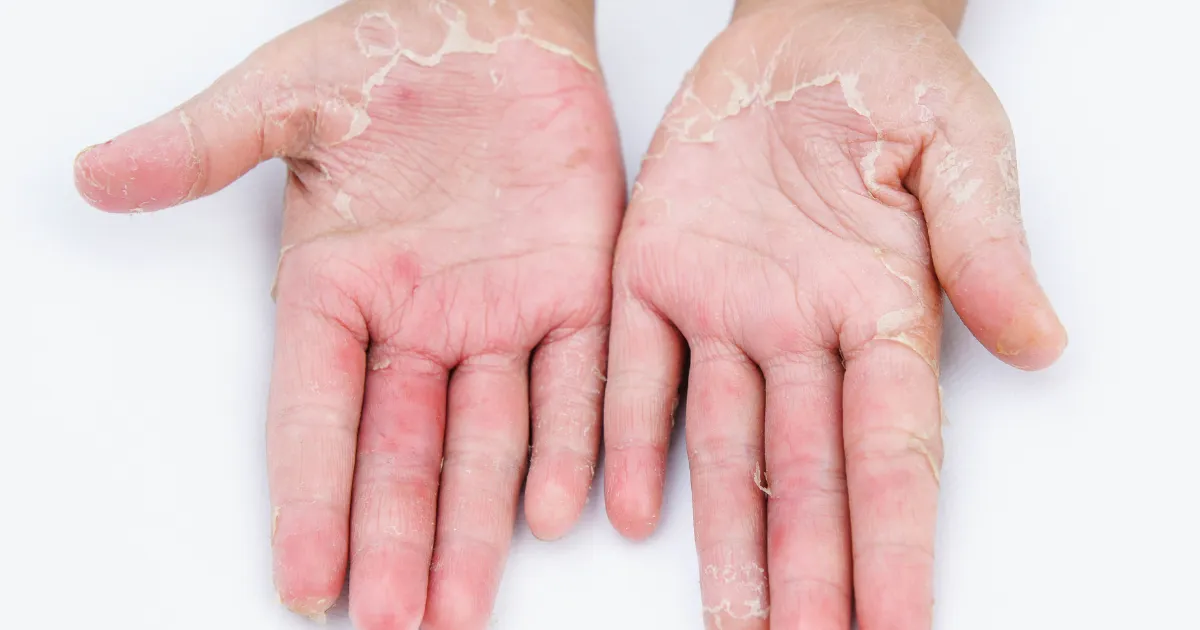
Most peeling skin in newborns is normal and resolves on its own. You can care for it with gentle bathing, patting the skin dry, applying baby cream, and choosing soft clothing. If peeling occurs with redness, itching, swelling, or oozing, or your baby seems unwell, see a doctor to identify the cause.
For more parenting advice, read Tips for Preparing to Become a New Mother, and explore baby bathtubs that help make bathing safer.