








Diaper rash is a very common skin problem in babies and young children who wear diapers. Adults who need to wear diapers can also develop it. It can cause skin irritation and itching, but do you know what causes it and which factors contribute to it?
This section explains diaper rash from a medical perspective, including its causes and the factors that often contribute to it. However, if the rash is severe or does not improve with care, see a doctor promptly for a diagnosis and appropriate advice.
Recommended: At What Age Can Babies Sit, and How Can Parents Help Safely?
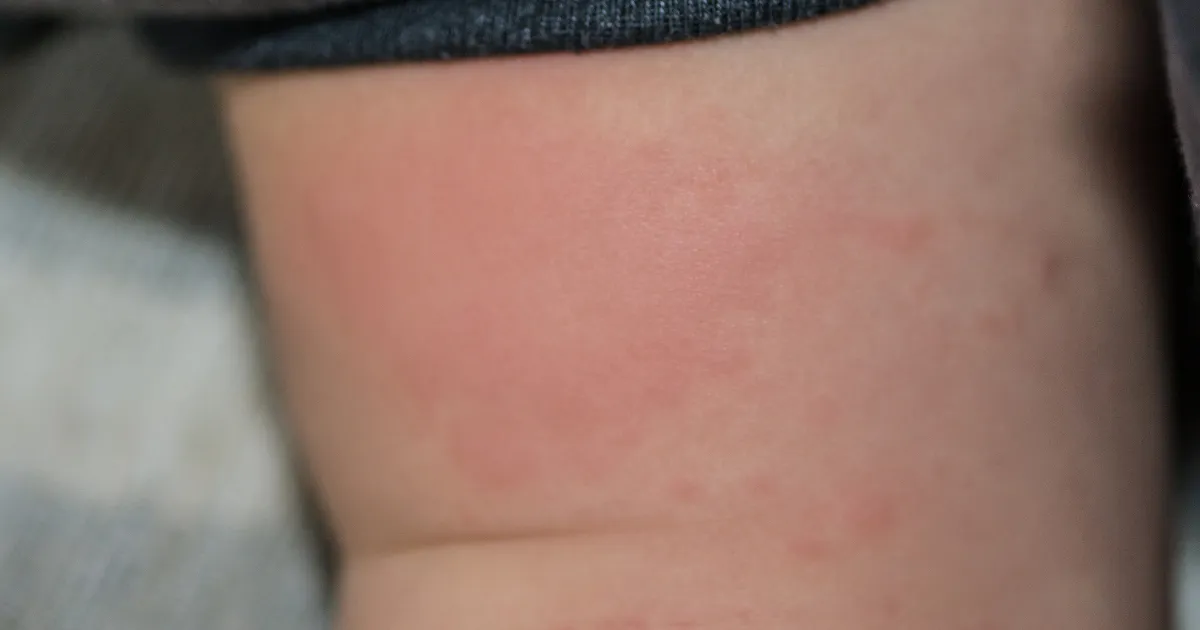
What Causes Diaper Rash?
Diaper rash, or diaper dermatitis, is inflammation of the skin covered by a diaper, such as the bottom, genitals, groin, and inner thighs. Common symptoms include redness and irritation, with babies becoming fussy or crying during diaper changes or cleaning. Most cases are mild and improve within a few days with proper care.
A bright red rash with small red spots around its edges, or a rash in the skin folds, may indicate a yeast infection. A rash with pus-filled spots, blisters, or raw areas may also involve a bacterial infection and should be examined by a doctor.
Causes
Symptoms commonly appear on skin that comes into contact with a diaper, and several factors may contribute to the rash. Here are the main possible causes of diaper rash:
- Prolonged wetness from an unchanged diaper: Urine and stool left in contact with the skin for a long time soften and irritate it. This is the most common cause.
- Friction: Diapers or clothing that are too tight rub against the skin.
- Yeast or bacterial infections: The diaper area is warm and moist, making it a suitable environment for these organisms to grow, especially when a rash has lasted several days or after a baby or breastfeeding mother has taken antibiotics.
- New foods or food allergies: When babies start new foods, changes in the consistency and frequency of their stools can irritate their skin. Some babies may be allergic to substances in foods such as milk, nuts, or flour.
- Diarrhea: Loose or frequent stools can irritate the skin more easily than usual.
- Contact with chemicals: Chemicals in products used to care for children may cause a rash, including soap, laundry detergent, wipes containing alcohol or fragrance, and creams with ingredients unsuitable for babies' skin.
The causes can vary from person to person, and identifying the triggers and contributing factors may take time and some investigation and trial and error. If your child or an adult in your care has severe symptoms or symptoms that do not improve, see a doctor for an appropriate diagnosis and treatment.
Recommended: How to Choose the Right Formula for Your Baby
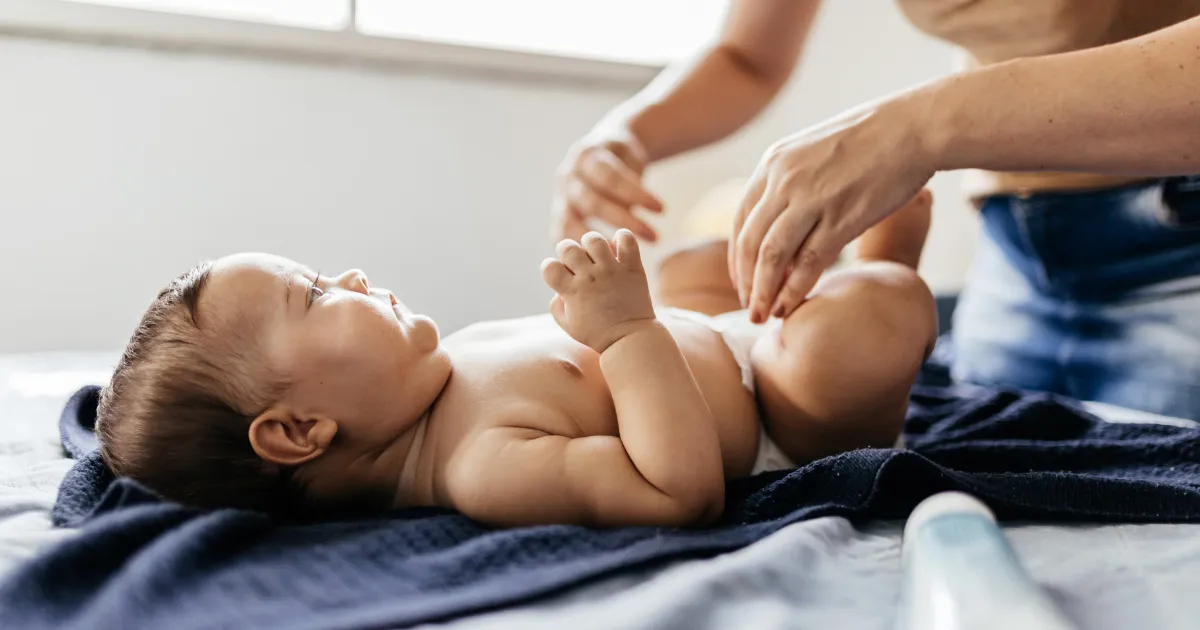
Treatment
Treatment depends on the severity of the symptoms, and identifying the cause of the rash is important when choosing the right approach. There are also general care measures that can be used for everyone. Recommended treatments include:
- Change diapers frequently: Change diapers promptly. Changing them whenever needed helps reduce infection and skin irritation.
- Clean gently: Wash with clean, warm water or use cotton wool dampened with water. Gently pat dry without rubbing hard, and avoid wipes containing alcohol or fragrance while the rash is present.
- Apply a diaper barrier cream: Apply a thick layer of cream or ointment containing zinc oxide or petroleum jelly at every diaper change to create a barrier that keeps moisture away from the skin. You do not need to wipe off all the cream each time. (Source: HealthyChildren.org)
- Let the skin get some air: Give your baby some diaper-free time each day on a washable pad or play mat, and fasten diapers a little more loosely.
- Prescription medicines: If the rash does not improve within 2–3 days or a fungal infection is suspected, a doctor may prescribe an antifungal cream or a mild steroid cream. Use these only as prescribed. Do not buy and apply steroid creams yourself, because skin in the diaper area is thin and can absorb more medicine.
When to seek medical care: Take your baby to a doctor if they have a fever, blisters, pus-filled spots, or open sores; if the rash spreads beyond the diaper area; if your baby is unusually fussy; or if the rash does not improve after 2–3 days of care.
Follow the advice of a doctor or medical professional to help the rash heal faster and reduce the severity of symptoms. If symptoms do not improve or become more severe, consult a doctor for an appropriate diagnosis and treatment.
Prevention
Diaper rash is a common problem in children and adults. Here are some simple ways to prevent it, reduce the severity of symptoms, and help avoid future episodes.
1. Choose suitable diapers
Choose good-quality diapers suited to the skin of the child or adult wearing them. You can choose diapers made with fabric and breathable materials to reduce moisture and skin irritation. Also look for diapers without chemicals or ingredients that may cause irritation, and choose options that are gentle on sensitive skin.
2. Keep the skin clean
Keeping the skin clean is important for prevention. Clean your baby's bottom with clean water at every diaper change, then pat it completely dry before putting on a fresh diaper. Remember to use products suitable for sensitive skin and protect the skin with a nourishing cream.
3. Change diapers properly
Proper diaper changes are important for prevention. Change diapers immediately when wet and regularly at appropriate intervals. Do not leave a damp or wet diaper on for too long, as this can irritate the skin. You can also regularly apply a thin layer of zinc oxide cream for prevention. Talcum powder is not recommended for babies because airborne powder may be inhaled into the lungs and irritate the airways. Find essential supplies in newborn essentials.
Additional Advice
The following tips may help reduce the severity and frequency of symptoms:
- Choose diapers that do not cause irritation or allergic skin reactions in your baby.
- Clean your baby regularly, using a clean cloth to help wash the area after every bowel movement.
- Adults should wear loose-fitting clothing that allows the skin to breathe.
- If symptoms are severe, see a doctor for further examination and appropriate treatment.
Remember that these additional tips are only general guidance to help reduce the severity of symptoms and cannot replace medical advice. If your baby also has dry, peeling skin, read more about flaky skin in babies.

Chemicals in Baby Products
Some chemicals may trigger rashes in children, so choosing baby products without harmful chemicals is particularly important.
Chemicals used in baby products may cause rashes or make symptoms worse. Examples include fragrances, alcohol, and certain preservatives, which may cause irritation or allergic reactions in some children with sensitive skin.
Also be cautious about chemical contamination in baby products that have not undergone adequate safety checks and testing. Products without standards certification may contain chemicals that could be harmful or trigger diaper rash in children.
Table: Chemicals to Avoid in Baby Products
| Chemical | Risk |
|---|---|
| Fragrance and alcohol, such as those found in wipes | Can cause stinging and further irritation on skin affected by a rash |
| Certain preservatives | May cause allergic contact dermatitis in some children, although this is uncommon |
| Chemicals that have not undergone safety checks and testing | May include chemicals that could be harmful or trigger diaper rash in children |
For these reasons, choosing a range of baby products that meet certified standards is important to help prevent diaper rash and keep children's skin healthy.
Summary
Diaper rash is very common in babies. Its main symptoms are redness and irritation in the area covered by a diaper. The main causes are prolonged wetness from an unchanged diaper, friction, and yeast or bacterial infections, followed by irritants in products and changes in diet.
The main care measures are changing diapers immediately when wet or soiled, cleaning gently, patting the skin dry, applying zinc oxide cream as a protective barrier, and allowing the skin some time exposed to air. See a doctor if the rash does not improve within 2–3 days, or if there is fever, pus-filled spots, or sores.
Recommended: How to Treat a Rash on Your Baby's Face