






When your baby has heat rash or tiny bumps on their face, you may feel worried and want to know how to care for and treat them properly. This article explains appropriate ways to manage facial rashes in babies.
Recommended: How to Treat Mild Pregnancy Rashes and Itchy Skin
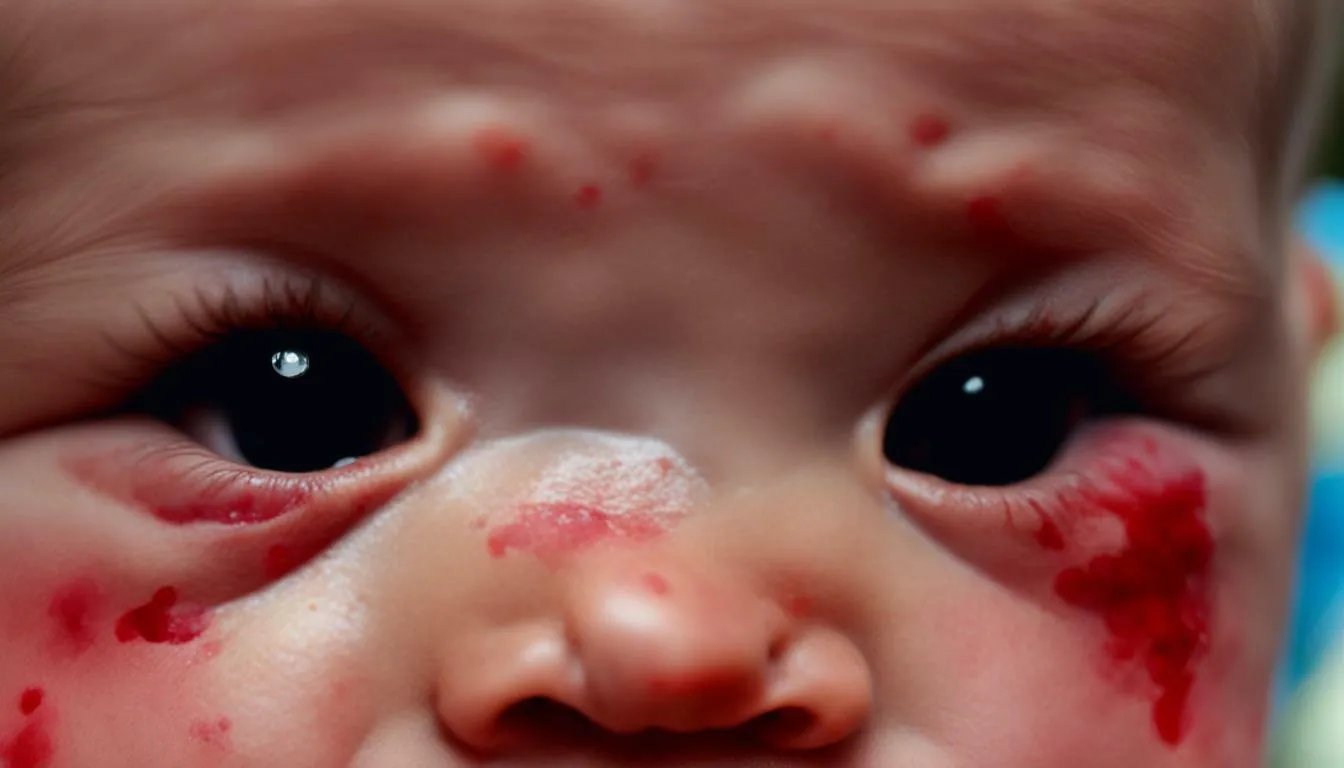
Common Facial Rashes in Babies
Rashes and small bumps on babies’ faces are very common, and most are harmless. Common causes include:
- Heat rash: Small red or clear bumps caused by immature sweat ducts becoming blocked in hot weather or when a baby wears overly thick clothing. They commonly appear on the face, neck, chest and skin folds.
- Baby acne: Small red bumps or pimples on the cheeks, nose and forehead. It often appears in the first few weeks and clears up on its own.
- Milia: Tiny white bumps on the nose and cheeks that occur in newborns and disappear on their own within a few weeks.
- Eczema: A red, dry, itchy rash often found on the cheeks and in skin folds. It may be persistent and should be managed by a doctor.
- Seborrheic dermatitis: Greasy yellow scales on the scalp, eyebrows and sides of the nose (read more: Flaky Skin in Babies).
According to the NHS, most rashes in babies are not serious, but you should always watch for other symptoms.
Things to Remember:
- Heat rash is caused by heat and sweat, not an immune deficiency.
- You can help prevent it by keeping your baby from getting too hot.
- Gently clean your baby’s face with clean water. Do not use herbs or home remedies on their face.
- If your baby has a fever, is unusually drowsy or has a rash that does not fade when pressed, seek medical attention immediately.
Heat Rash in Babies: Causes and Symptoms
Heat rash develops when a baby sweats a lot but their sweat ducts are still small and easily blocked. Sweat becomes trapped beneath the skin, forming small red or clear bumps. These may feel slightly itchy or sting, making your baby fussy. Heat rash often occurs in hot, humid weather, when babies are wrapped in too many blankets or dressed too warmly, or when they sleep somewhere poorly ventilated.
According to the NHS, heat rash usually improves on its own within a few days once the skin is cooled, without needing medication.
| Causes | Symptoms |
|---|---|
| Hot, humid weather or a stuffy room | Small red or clear bumps on the face, neck, back or skin folds |
| Overly thick clothing or too many blankets | Mild itching or stinging that makes your baby fussy |
| Sweat buildup, such as where the skin touches a pillow or car seat padding | The rash often appears in areas that trap heat and moisture |
How to Prevent Heat Rash
- Keep your baby in a well-ventilated room that is neither too hot nor too cold. You can use a fan to help circulate air, but do not point it directly at your baby.
- Dress your baby in lightweight, breathable cotton clothing. Avoid unnecessary layers of clothing or blankets.
- Gently wipe sweat and drool from your baby’s face with a soft cloth dampened with clean water.
- Avoid heavy creams or lotions that can clog the skin during hot weather.
- Bathe your baby in room-temperature or slightly warm water in a baby bathtub, then pat them dry.
Caution: Babies under 6 months should not drink plain water. On hot days, help prevent dehydration by offering breast milk or formula more frequently, according to their needs. Babies aged 6 months and older who have started complementary foods can have small additional sips of clean water.
Gentle Facial Skin Care for Babies at Home
When your baby has mild heat rash or a minor facial rash, the simplest and safest care is to:
- Cool your baby’s skin, remove thick layers of clothing and keep them in a well-ventilated space.
- Wash their face with clean, room-temperature water, then gently pat dry without rubbing.
- Keep your baby’s nails short to prevent scratches and broken skin (see How to Trim Your Baby’s Nails).
- Do not squeeze, pick at or scrub the bumps on your baby’s face.
Caution: Do not apply neem water, herbs, essential oils, loose powder or home remedies to your baby’s face. There is no evidence that they help treat these rashes, and they may cause irritation, allergic reactions or infection. Loose powder also poses a risk of being inhaled into your baby’s airways.
When to Take Your Baby to a Doctor
Take your baby to a doctor if:
- The rash does not improve within 3–4 days despite care, or it spreads further.
- The rash develops pus-filled bumps, blisters, oozing fluid or spreading redness and warmth, which may indicate an infection.
- Your baby has a persistent red, dry, itchy rash that may be eczema.
- Your baby also has a fever. In particular, babies under 3 months with a temperature of 38 degrees Celsius or higher need prompt medical attention.
Caution: If your baby has red or purple spots that do not fade when pressed with a clear glass, along with a fever, unusual drowsiness, refusal to feed or difficulty breathing, call 1669 or go to an emergency department immediately.
Medical Treatment
A doctor will identify the type of rash before choosing treatment, such as a moisturizer for eczema or a topical antimicrobial medicine for an infection. Topical steroids and all other medicines should be used only as prescribed by a doctor. Do not use adult topical medicines or acne treatments on babies.
Everyday Care for Your Baby’s Face
- Wipe milk and drool from around your baby’s mouth and chin after every feed, as moisture buildup can irritate the skin.
- Choose a gentle, fragrance-free baby bath product, or use plain water alone during the newborn period.
- If the skin is dry, apply a thin layer of fragrance-free baby moisturizer.
- Wash your baby’s pillowcases, swaddles and clothing with baby laundry detergent, and rinse thoroughly.
- Wash your hands before touching your baby’s face, and avoid letting other people frequently kiss your baby’s cheeks.
These care steps can help reduce rashes on the face and other areas of the skin, such as diaper rash (read more: Diaper Rash Symptoms).
Tiny Bumps on Your Baby’s Face: Baby Acne and Milia
Most small bumps on a newborn’s face are baby acne or milia. These are normal conditions, are not contagious and are not caused by poor hygiene.
| Type | Appearance | Care |
|---|---|---|
| Baby acne | Small red bumps or pimples on the cheeks, nose and forehead | Wash with clean water. Do not squeeze or apply acne medication. It usually clears up on its own within a few weeks to a few months. |
| Milia | Very small white bumps on the nose and cheeks | No treatment is needed. They disappear on their own within a few weeks. |
| Heat rash | Red or clear bumps that appear when the baby is hot | Cool the skin and remove thick layers of clothing. |
If the bumps develop pus, spread extensively or occur alongside signs that your baby is unwell, see a doctor.

Why You Should Avoid Herbs and Home Remedies on Your Baby’s Face
A baby’s skin is thinner and absorbs substances more easily than an adult’s. Although herbs, essential oils, lime, turmeric and neem water are natural, they may cause skin burns, allergic reactions or increased irritation. Applying products that are not clean also carries a risk of infection. There is currently no medical evidence that these methods help treat rashes in babies.
A more effective and safer approach is to keep your baby from getting too hot, wash their face with clean water and see a doctor if symptoms do not improve, following the advice of HealthyChildren.org (AAP).
Choosing Baby Skin Care Products
- Choose products labeled for babies that are fragrance-free and contain few ingredients.
- Test new products on a small area first. Stop using them if redness or a rash develops.
- Do not use any topical medicine or rash cream without consulting a doctor or pharmacist, especially steroid medicines.
- Prepare essential newborn supplies, such as soft cotton washcloths and breathable clothing.
Summary
Most facial rashes in babies, such as heat rash, baby acne and milia, are harmless and usually clear up on their own. The best care is to keep your baby comfortably cool, dress them lightly, wash their face with clean water and avoid using herbs or topical medicines without advice. Babies under 6 months should have breast milk or formula according to their needs instead of plain water. If your baby has a fever or the rash spreads, develops pus or does not fade when pressed, seek medical attention immediately.