







Recommended: Teaching Your Child to Manage Their Emotions: How to Respond
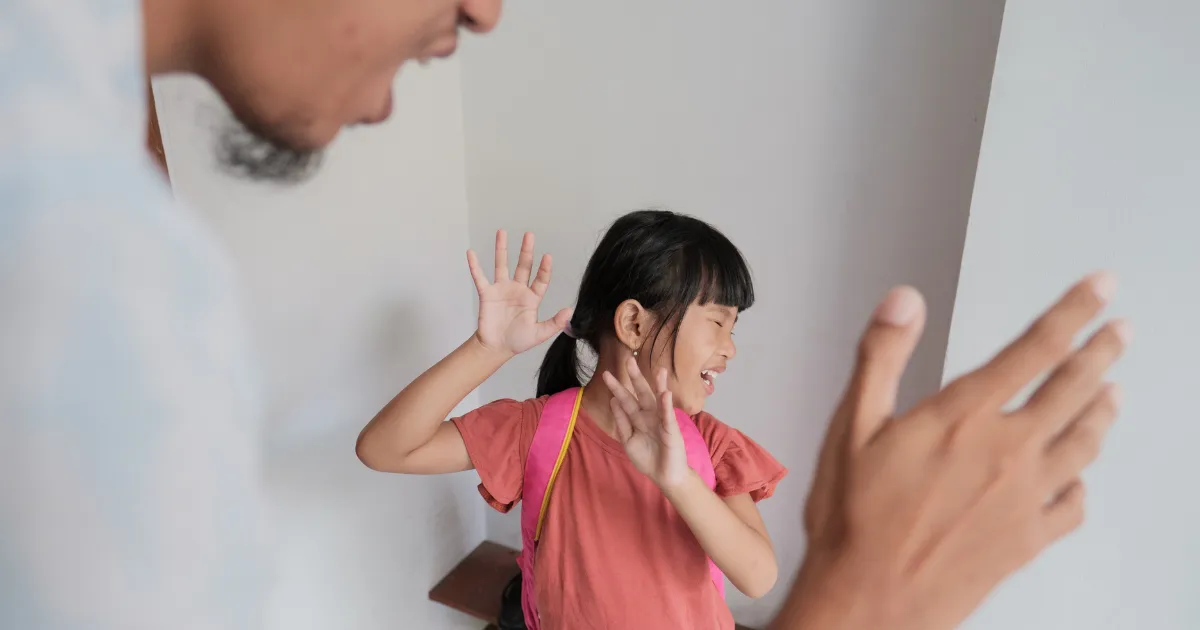
Is Hitting Children Good or Bad?
Hitting children harms them physically and psychologically. It makes them feel unsafe, encourages violent behavior, causes emotional difficulties and reinforces unwanted behavior. Violence against children violates their rights and has serious consequences for society and human rights. Parents should create a nonviolent environment and encourage behaviors that support children's growth. Both the American Academy of Pediatrics (AAP) and the World Health Organization (WHO) recommend that parents avoid hitting and all other forms of physical punishment.
How Hitting May Affect Different Areas of Child Development
Hitting children may affect different areas of their development in the following ways:
- Physical development: Hitting can cause physical pain and injuries, and children may become bored with or lose interest in physical activities.
- Cognitive development: Hitting may affect children's learning and decision-making abilities. It may have positive or negative effects on their interest in learning or willingness to follow rules.
- Social development: Hitting can damage relationships with peers and may lead to social difficulties later.
Recommended: 5 Signs of Developmental Delay: What Causes It, and What Should You Do?
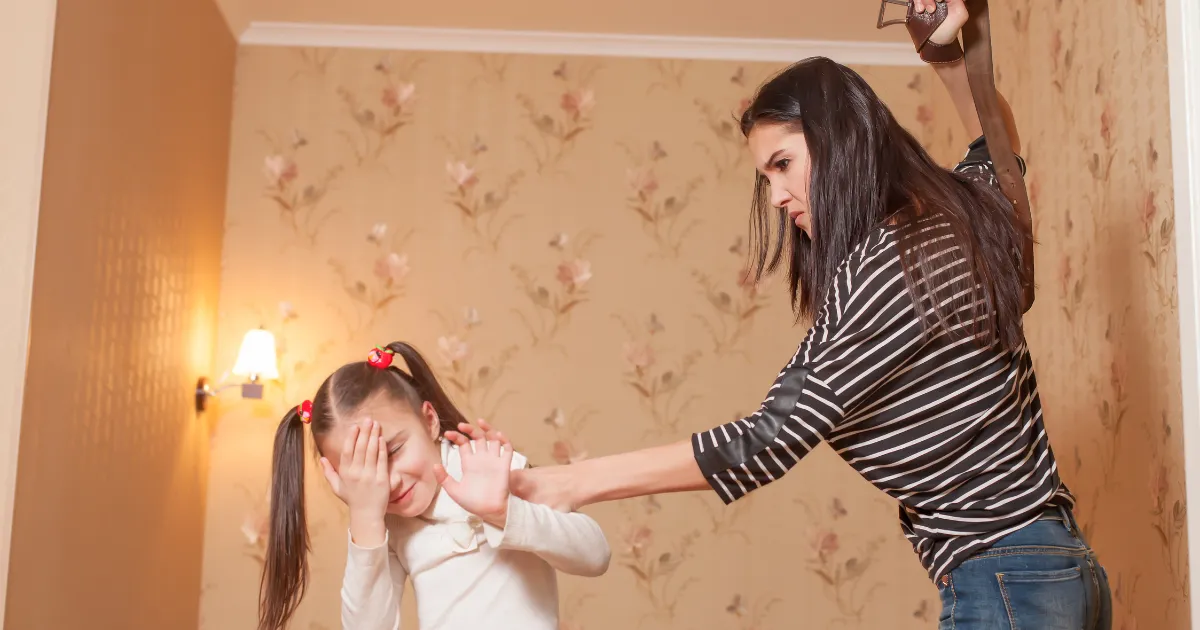
Why Does Hitting Seem to Work?
Many parents feel that hitting works because their child stops the behavior immediately. However, children usually stop out of fear and pain, rather than because they understand what they did wrong or what to do instead. Research compiled by the AAP and WHO has found that hitting does not improve children's behavior in the long term and is instead associated with more behavioral problems over time.
| What Parents Often Think Hitting Achieves | What Actually Happens |
|---|---|
| The child stops misbehaving immediately | The child stops out of fear but does not learn the right way to behave, and often repeats the behavior when their parents are absent. |
| The child understands that the behavior is wrong | The child learns that using force is a way to solve problems, and their relationship with their parents deteriorates. |
Hitting is therefore not a recommended approach. Nonviolent, positive discipline produces better results in both the short and long term.

The Drawbacks of Hitting
Using hitting as punishment may have unwanted effects on children's mental health and development. Possible drawbacks include:
- Effects on development and learning: Hitting can physically injure children. WHO states that physical punishment is associated with poorer cognitive development and academic performance, while the AAP states that severe stress from repeated physical punishment may affect brain development.
- Increased violence and anxiety: Being hit may cause anxiety and stress in children, leading to long-term mental health problems such as depression and anxiety, or unwanted aggressive behavior.
- Creating a cycle of violence: Hitting may create a cycle of violence within the family, drawing parents and children into patterns of threats and resentment that cause stress and damage family relationships.
- Violent behavior later in life: Children who are hit may face a risk of depression and violent behavior later, and the resulting harm may be difficult to reverse.
- An increased risk of violence in society: Using hitting as punishment may teach children to accept violence as an appropriate way to solve problems, potentially contributing to a cycle of violence in society that is difficult to eliminate.
Hitting as punishment may cause serious harm that is difficult to address in the long term. Creating cycles of violence within families and society may increase the risk of violent behavior later. Parents should therefore consider the possible consequences before using hitting to punish children.
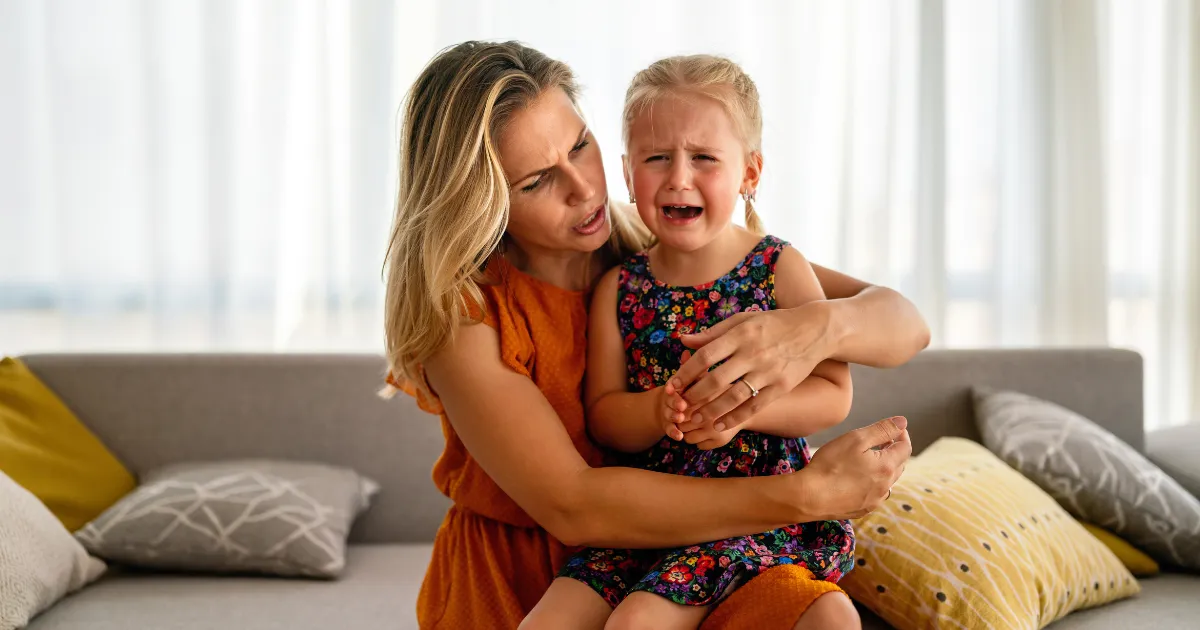
How to Teach Your Child Without Hitting
Give verbal warnings: Use a firm tone when your child misbehaves to help them recognize and change their behavior.
Have your child spend time alone (Time Out): Give your child a quiet moment alone to reflect on their inappropriate behavior.
Withhold attention from attention-seeking behavior: Use this approach for harmless behaviors such as whining or shouting for attention. Avoid responding to the behavior while continuing to keep your child safe, and give attention or praise immediately when they calm down or behave well. This does not mean ignoring your child or their feelings, and it should not be used when your child is doing something that could harm themselves or others.
Teach responsibility for actions: Teach your child to take responsibility for what they do to build good discipline.
Use the loss of activities or rewards as a consequence: Use consequences to set conditions and teach principles.
Discipline should be based on reason and consequences, without violence, and accompanied by love and support. If your child frequently has intense emotional outbursts, read how to handle your child's temper and how to talk with your child to build positive communication.
https://www.youtube.com/watch?v=_Ri4QwwN4AwTips for Raising Children Constructively
In this section, we suggest constructive parenting approaches that support positive personality and behavioral development, using alternatives to hitting as punishment to bring about meaningful change.
To guide children constructively, you can use the following approaches:
- Make learning engaging: For example, use games or enjoyable activities that allow children to learn and develop different skills quickly while having fun.
- Create an environment that encourages creative thinking: Give children more opportunities to ask questions and solve problems, encouraging them to think creatively and find solutions themselves.
- Give children opportunities to take part in creative activities and projects: For example, let them make art, build models or take part in other creative activities to develop critical thinking and creativity.
Constructive parenting can effectively encourage creativity, problem-solving and the development of various skills, including initiative, concentration, systematic thinking and thinking that leads to solutions.
Constructive parenting can bring about lasting change and positive outcomes in children's behavior and activities. It also helps children grow into capable individuals and responsible members of society.
Conclusion
In this article, we explored why hitting is not an appropriate form of punishment: it harms children's development and causes lasting damage. We suggest considering nonviolent approaches, such as adapting how you structure conversations and observing children's behavior to build understanding and develop their abilities creatively.
Education and guidance are important for helping children reach their full developmental potential through appropriate care and support. These should also draw on academic knowledge and ethical experience. Discipline should therefore teach children and create an environment that supports their development without relying on hitting.
Recommended: 10 Things You Shouldn't Say to Your Child: Why Might They Encourage Aggression?