







Many expectant mothers wonder what they can eat to give their baby fair skin. The truth is that your baby's skin color is determined mainly by genes inherited from both parents. What you eat cannot make your baby's skin "lighter," but eating a varied, balanced diet from all five food groups can support your own skin health and your baby's healthy growth in the womb. Here, we bring together five groups of foods that support skin and overall health during pregnancy, along with foods to avoid. Let's take a look.
What Are the 5 Food Groups That Support Skin and Health During Pregnancy?
- Foods high in vitamin C
- Foods containing omega-3s
- Eating colorful fruit and vegetables
- Foods containing antioxidants
- Drinking coconut water
1. Foods High in Vitamin C
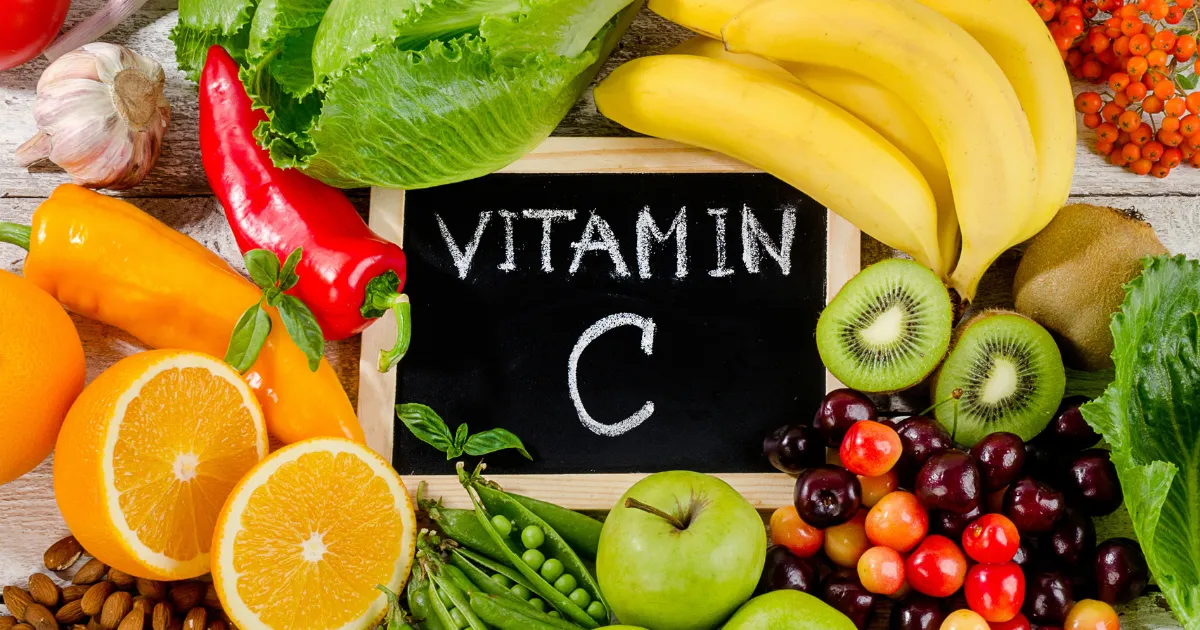
Vitamin C is a nutrient the body uses to make collagen, a structural protein in the skin, blood vessels and other tissues. It also helps the body absorb iron from food more effectively, which is especially important during pregnancy.
Foods high in vitamin C include guava, oranges, ripe papaya, kiwi, strawberries, bell peppers, broccoli and leafy greens such as Chinese water spinach. Choose fresh fruit over fruit juice with added sugar, and always wash fruit and vegetables thoroughly before eating.
2. Foods Containing Omega-3s

Omega-3 fatty acids, especially DHA, play an important role in the development of your unborn baby's brain and eyesight. They are also healthy fats that help support your skin health.
Good sources of omega-3s include fish such as salmon, sardines and short mackerel. Choose low-mercury fish, always cook it thoroughly, and eat about 2–3 fish meals a week, following the advice of the U.S. Food and Drug Administration (FDA). Avoid high-mercury fish such as shark, swordfish and large Spanish mackerel. If you do not eat fish, walnuts, chia seeds and flaxseeds can provide some omega-3s. (Consult your doctor before taking fish oil supplements.)
3. Eating Colorful Fruit and Vegetables

Different colors of fruit and vegetables provide different vitamins, minerals, fiber and antioxidants. Eating a variety of colors helps you get a full range of nutrients, supports regular bowel movements and cares for your skin at the same time.
Examples of fruit and vegetables you can choose during pregnancy:
- Watermelon: Its high water content helps increase your fluid intake.
- Kiwi: High in vitamin C and fiber.
- Carrots, pumpkin and ripe papaya: Contain beta-carotene, which the body can convert into vitamin A.
- Dark leafy greens such as spinach and broccoli: Sources of folate, which is important for the formation of your baby's nervous system.
- Mung beans and other beans: Sources of protein, fiber and folate.
Read more: A checklist of nutritious fruits for pregnancy and Fruits to be cautious about during pregnancy
4. Foods Containing Antioxidants

Antioxidants help protect cells in the body, including skin cells, from damage caused by free radicals. They are abundant in deeply and brightly colored fruit and vegetables.
Foods containing antioxidants
- Purple and blue fruits such as blueberries, blackberries and red grapes
- Red fruits such as pomegranates, strawberries and tomatoes
- Orange and yellow fruit and vegetables such as oranges, ripe papaya, pumpkin and carrots
- Green vegetables such as broccoli, spinach and Chinese kale
5. Drinking Coconut Water

Coconut water can provide fluid, but it is not a treatment for skin problems and does not make a baby's skin lighter. There is no need to drink it specifically for your baby's complexion.
If you choose coconut water, select a pasteurized product and drink it in moderation because it contains natural sugars. If you have gestational diabetes, follow your care team's advice. Plain water can remain your main drink.
Foods to Avoid
Alongside foods that support skin health, there are certain foods to be careful about during pregnancy for your safety and your unborn baby's safety.
There is no need to avoid all preservatives or flavor enhancers solely because you are pregnant. Avoid ingredients you are known to be allergic to, follow any individual medical advice, and focus on a varied diet and safe food preparation.
Foods to avoid or limit during pregnancy, according to the NHS, include:
- Raw or undercooked meat, seafood and eggs
- Unpasteurized milk and certain soft cheeses, which carry a risk of listeria
- High-mercury fish
- All alcoholic drinks
- Caffeine: Limit intake to no more than 200 milligrams a day (about 2 cups of instant coffee).
- Foods and drinks high in sugar
Refrigerate leftovers and reheat them until hot throughout before eating. Do not keep them for too long. Read more in What Not to Eat During Pregnancy. If you have an underlying health condition or questions about food, consult the doctor overseeing your prenatal care.
Getting Enough Sleep

Getting enough sleep should be a priority throughout pregnancy. Adequate rest helps the body recover and supports hormonal balance. Sufficient sleep also contributes to your skin health.
Not getting enough sleep may leave you feeling tired, irritable or stressed, causing your body to release more cortisol. This can make your skin look tired and less refreshed.
To get enough sleep during pregnancy, aim for about 7-9 hours a day. Use a pregnancy pillow or body pillow to make sleeping on your side more comfortable. Keep your bedroom dark, quiet and comfortably cool, and avoid using your phone or doing mentally demanding work before bed so your body can relax. (Read more: What to Do About Insomnia During Pregnancy)
If you are expecting a baby and looking for parenting tips, ABC the Baby has collected them for you. Click here!
Q: Can eating certain foods during pregnancy really make my baby's skin lighter?A: No. Your baby's skin color is determined mainly by genetics. However, eating a balanced diet from all five food groups, including colorful fruit and vegetables, eggs, thoroughly cooked meat and low-mercury fish, supports your health and your unborn baby's growth.
Q: Which foods are high in vitamin C?A: Many foods are high in vitamin C, including oranges, kiwi, roselle, dark leafy greens and orange-skinned fruits.
Q: Can I drink coconut water during pregnancy?A: Yes, in moderation. Coconut water provides fluids and minerals, but it contains natural sugars, and there is no evidence that it makes your skin or your baby's skin lighter.