






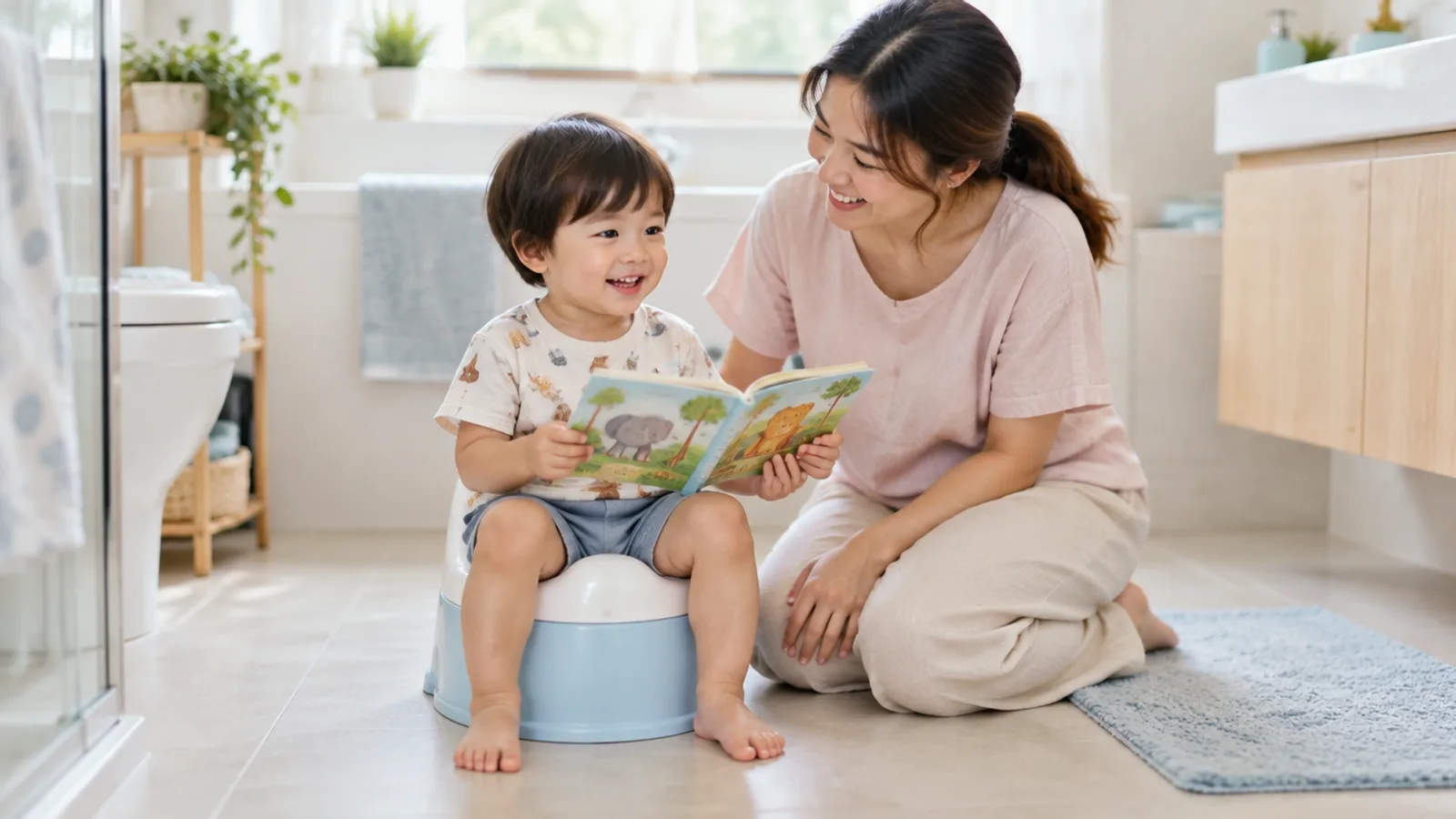
Potty training is an important step in your child's development. It helps them learn bathroom skills and build confidence as they discover how to use the toilet independently.
In this article, we explore simple potty training methods, signs that your child is ready, and guidance on what age to start teaching them to use the toilet independently.
Recommended: Is Smacking Children a Good or Bad Form of Discipline? Should You Do It, and Why?
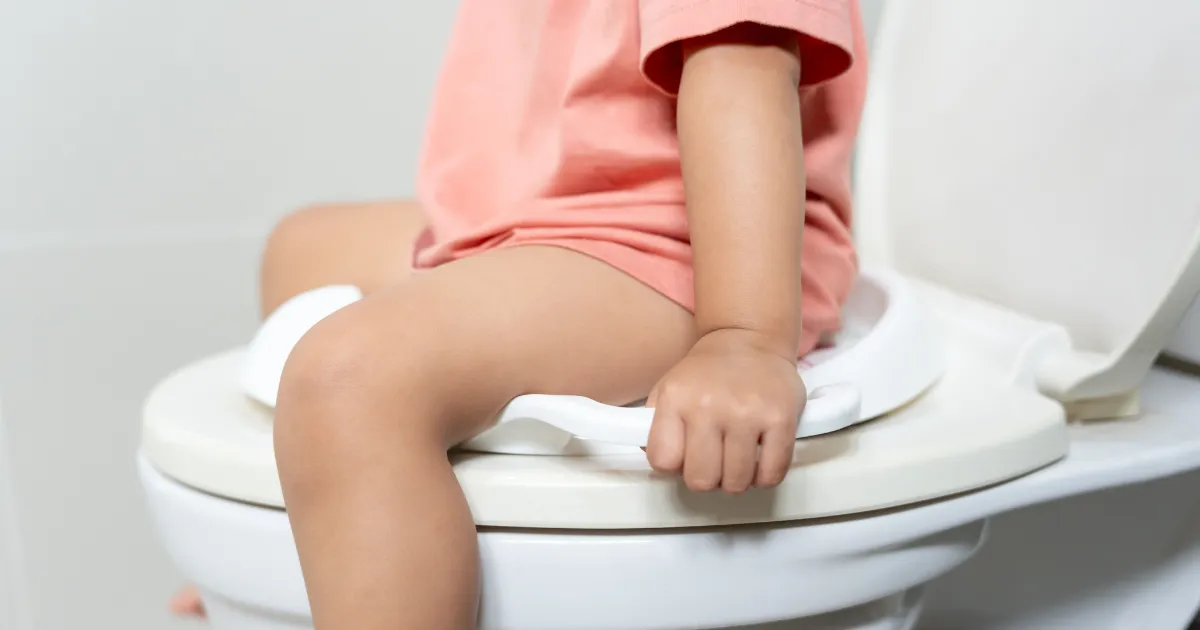
Signs Your Child Is Ready for Potty Training
The key to potty training is your child's readiness, rather than their age alone. Look for these signs (HealthyChildren.org).
- Their diaper stays dry for longer, such as around 2 hours, or is still dry when they wake from a nap.
- They recognize and communicate through words or gestures when they are about to pee or poo, or have just done so.
- Their bowel movements happen at fairly regular times.
- They can walk to the bathroom, sit on a potty independently, and manage pulling their pants up and down to some extent.
- They can follow simple instructions, show interest in using the toilet like adults, or dislike wearing a wet diaper.
If your child is not showing these signs yet, there is no need to rush. Forcing training before they are ready often makes the process take longer and may lead to resistance.

What Age Should You Start Potty Training?
Most children are ready to start between about 18 months and 3 years, with many starting around 2–3 years old. However, every child becomes ready at a different time (NHS). Before then, parents can help their child become familiar with the idea by showing them a potty, reading stories about using the toilet, or letting them see adults use the bathroom, without forcing them to sit on a potty. Here is a general overview.
1–2 years: A time to build familiarity. Introduce words for peeing and pooing, the potty, and the bathroom.
Around 2–3 years: Most children begin practicing sitting on a potty or child toilet seat, communicating when they need to go, and washing their hands after using the bathroom.
Around 3–4 years: Children become more independent in the bathroom and often no longer need diapers during the day. Staying dry at night may take longer.
5 years and older: Children become better at cleaning themselves, but an adult should still help check. Bedwetting remains common at this age.
Also pay attention to your child's behavior and circumstances that may affect training, such as moving home, welcoming a new sibling, or being unwell. If your child is anxious, postpone training until a more suitable time.
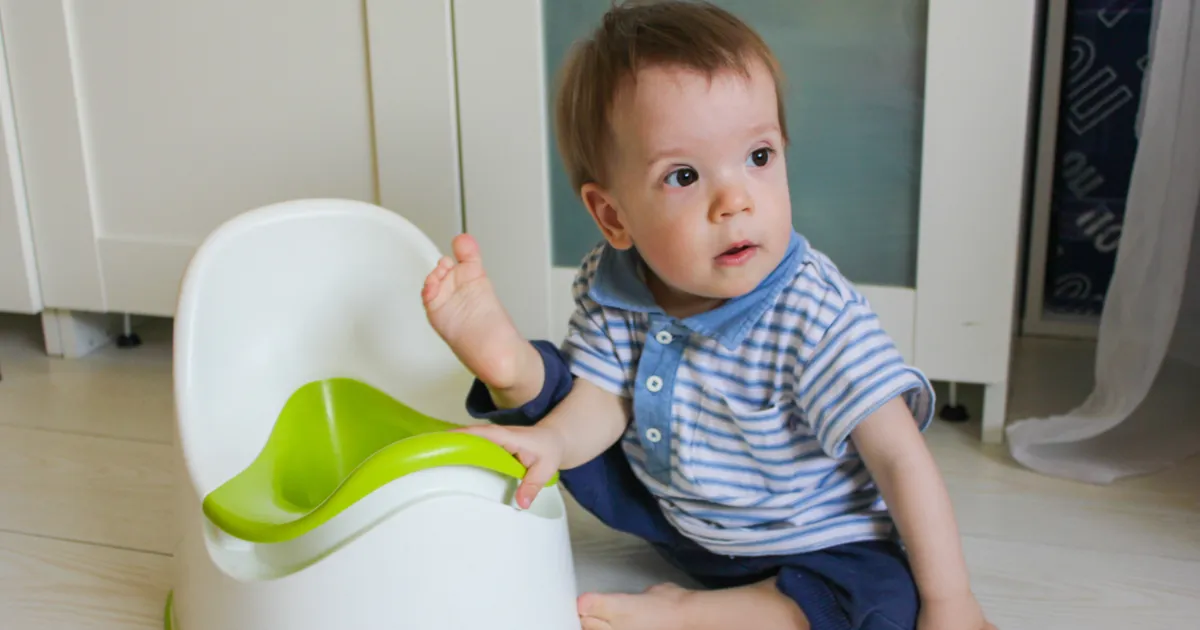
Steps for Potty Training Your Child
- Prepare a potty or a child toilet seat with a footstool so your child can sit securely.
- Invite your child to sit on the potty at times when they usually go, such as after waking or after meals. A few minutes at a time is enough; they do not need to sit for long.
- When you notice signs that your child needs to go, take them to the bathroom straight away, and dress them in pants that are easy to remove.
- Teach your child to clean themselves after using the toilet. Girls should wipe from front to back. Always wash hands with soap afterward.
- Praise your child when they succeed, and avoid scolding or punishment when they have an accident. Accidents are a normal part of training.
Benefits of Teaching Your Child to Use the Toilet
- Your child learns to understand and use the toilet correctly.
- They practice self-care skills, such as washing their hands and taking their pants off and putting them back on independently.
- It helps prepare your child for school (read more: Packing a Bag for Kindergarten).
- It builds confidence and a sense of pride in doing things independently.
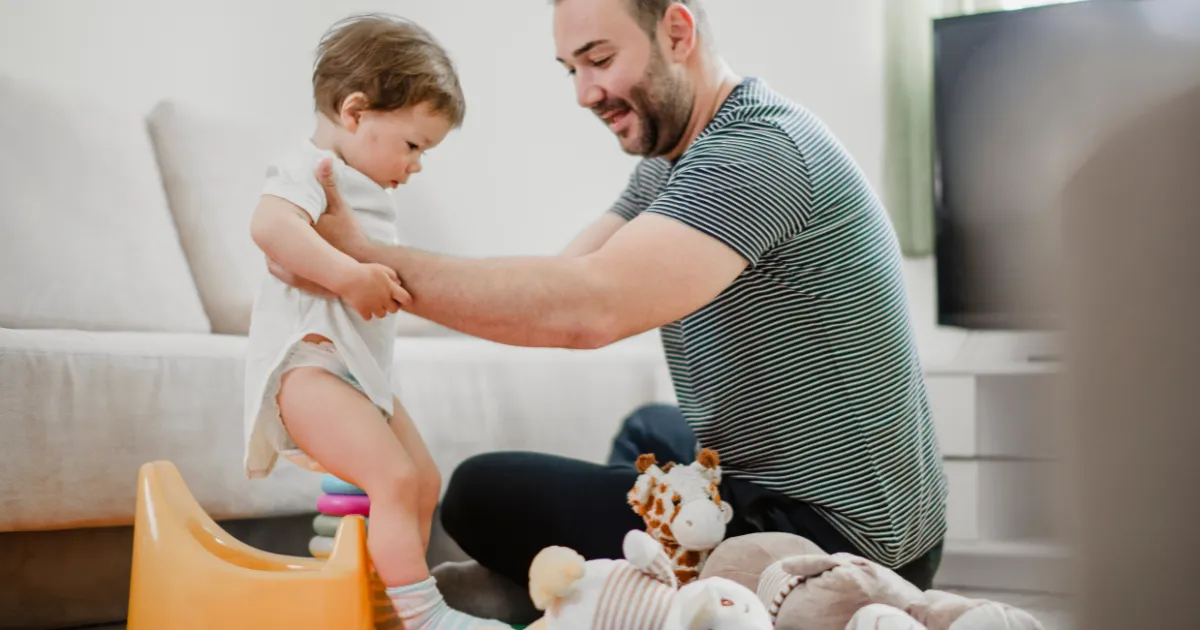
How to Handle Potty Training Problems
During potty training, you may encounter difficulties that make your child afraid of using the toilet. These problems can be addressed, so try not to worry. Here are some ways to work through challenges that may arise.
- Build confidence and a sense of safety: If your child is frightened or unsure about using the toilet, help them feel secure by reassuring them that you are there to give them attention and care. Sharing helpful information about using the toilet can also build their confidence and understanding.
- Give them time to adjust: Allow your child time to get used to the process. If they are not ready or are still frightened, do not pressure them to use the toilet. Give them time to adjust and prepare to try training again at a more suitable time.
- Use helpful equipment: A child toilet seat and footstool can help your child sit securely without worrying about falling into the toilet. Alternatively, start with a potty placed on the floor.
- Make it enjoyable: Bringing a sense of play and fun into the bathroom may help your child feel happier and more willing to use the toilet. Try reading a story or singing a short song while they sit on the potty, or use stickers to praise their successes.
- Watch and respond to your child: During potty training, keep observing your child and respond to any fears or discomfort that arise. If you encounter problems, try adjusting your approach or your role in training to better suit your child and improve the results.
- Consult a doctor if problems arise: If your child holds in their poo, has constipation, experiences pain when passing stools or burning when urinating, or starts having frequent accidents after previously being toilet trained, consult a doctor (read more: When Your Child Is Not Pooing or Cannot Pass Stools).
Addressing potty training problems is important. Guide your child through the process with care, gentleness, and a thoughtful understanding of their needs.
Potty Training Precautions
Potty training is an important part of helping your child stay safe and comfortable in daily life. The following precautions can help make the process safe and effective:
- Choose a suitable time to practice, when your child is in a good mood and there is no rush.
- Make the bathroom safe. Use a non-slip mat and keep cleaning products, medicines, and sharp objects out of reach. Never leave standing water in buckets or basins, as young children can drown even in shallow water. Supervise your child closely while they are in the bathroom.
- Always wash hands with soap after using the toilet, and clean the potty or child toilet seat regularly to help prevent infection.
- Teach your child to use the bathroom correctly and safely, including using the handheld bidet sprayer and taking their pants off and putting them back on independently.
Parents should pay close attention to precautions and safety during potty training so their child can fully develop bathroom skills safely.
Potty training is an important process in your child's development and understanding of how to use the toilet. Whether you are choosing the right time, creating a suitable environment, or teaching bathroom skills, give these tips and recommendations careful attention to make training more effective and safer.
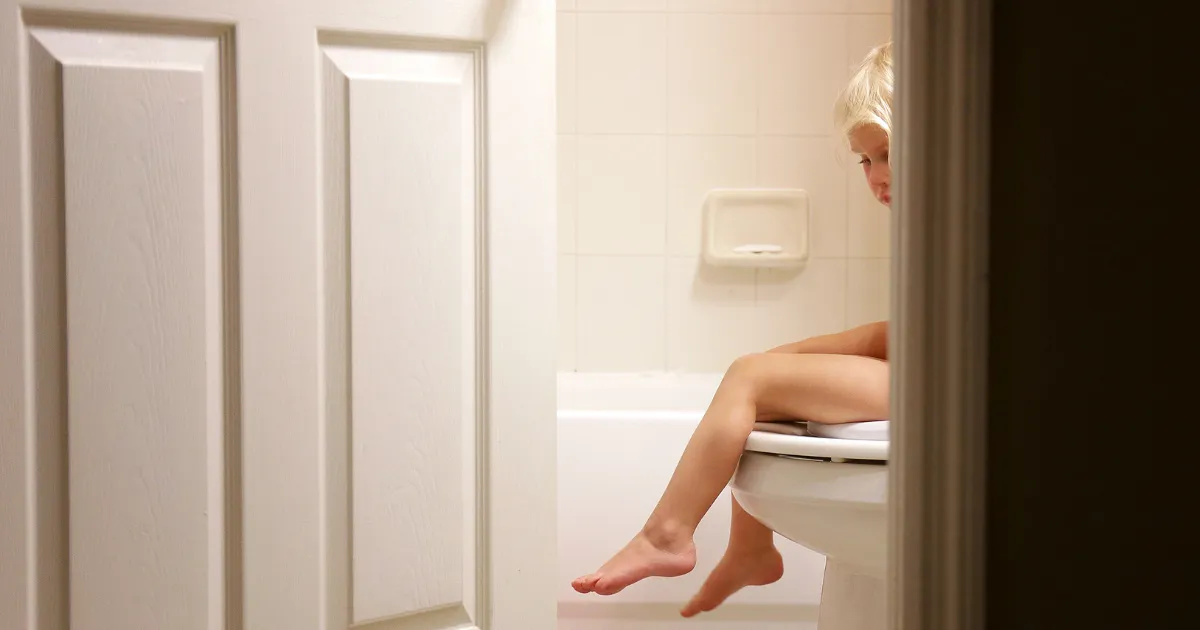
Advice for Parents
The potty training advice above can support your child's bathroom skills and confidence. Pay attention to their development, adapt your expectations to their readiness, and provide the care and attention they need. Remember that every child becomes ready and progresses at a different pace. Aim to make training fun and positive to build a strong foundation for your child's future bathroom habits.
Conclusion
Start potty training when your child shows signs of readiness. Most children are ready between about 18 months and 3 years, with many starting around 2–3 years old. Prepare equipment that helps your child sit securely, invite them to sit on the potty at regular times, praise successes, and avoid scolding them for accidents. Make the bathroom safe and teach handwashing every time. If your child is frightened or not ready, take a break and try again later. Consult a doctor if your child has constipation or urinary problems.