






What should you pack in your child’s school bag?
1. Spare clothes
 Your little one may still have toilet accidents or get messy during activities, so spare clothes are among the first essentials to think about. Parents can fold a spare set and pack it in their child’s bag.
- Pack suitable spare clothes: Check with the school about its requirements and the size of the spare clothes you should pack in your child’s bag. Some schools require a spare uniform, while others ask for casual clothes or a PE kit. Follow the school’s requirements, and remember spare underwear and socks.
- Explain when to use spare clothes: Teach your child what their spare clothes are for and help them understand the importance of staying clean at school. If something happens to their uniform or they have a toilet accident, they can change into their spare clothes.
- Keep them clean: Check the spare clothes in your child’s bag to make sure they are fresh and clean every day. If your child uses them after an accident at school, bring the worn clothes home to wash and put a fresh set in the bag immediately. If your child is still toilet training, read more about how to teach your child to use the toilet independently.
2. Drinking water in a personal bottle
 Sending your little one with a personal water bottle or flask helps protect them from germs by avoiding sharing drinks with friends and other people. Choose a bottle with a shoulder strap to make it easier for your child to carry and help prevent it from getting lost.
- A personal water bottle or flask: Choose a water bottle or flask that suits your little one’s size and fits in their bag. Most importantly, make sure it does not leak during use and can be closed securely.
- Teach your little one: Teach your child why they should not swap water bottles or flasks with friends. Explain the reasons, including hygiene and safe drinking.
- Caring for the bottle or flask: Check and wash the water bottle or flask regularly to keep it clean and safe to drink from.
3. Stationery
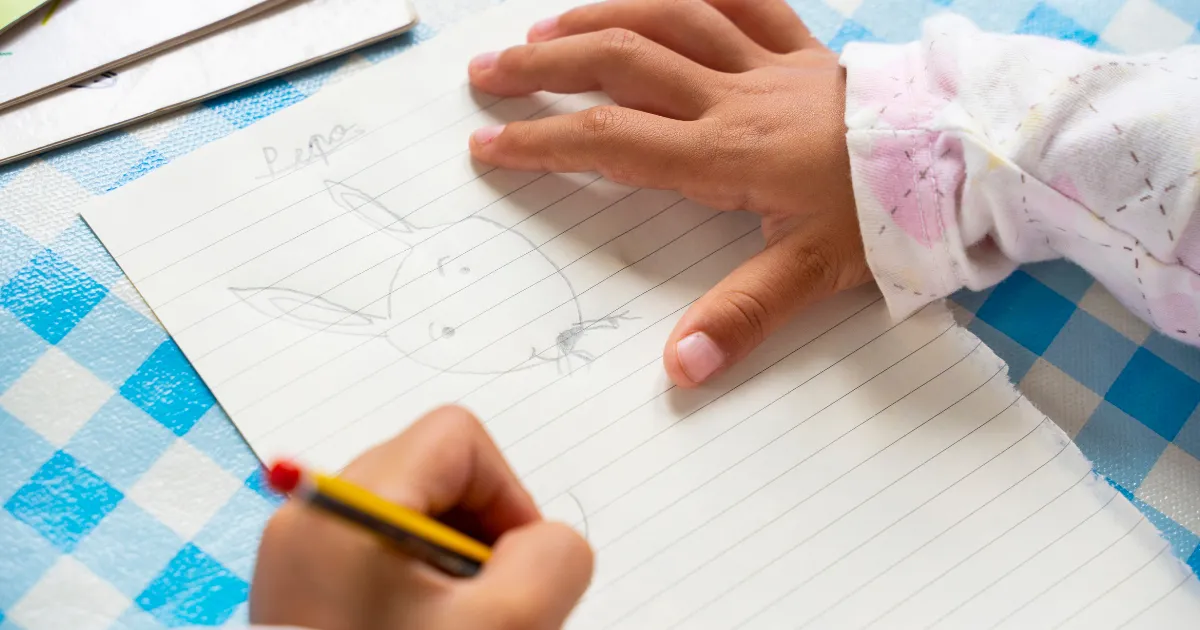 Stationery is another important part of teaching and learning, so parents should pack it for their little one. Prepare the following basic supplies.
- A pencil case: Put pencils in different colours in the case so your child can use them for drawing and creating pictures.
- Pencils: Pack pencils in basic colours in your child’s bag for drawing and art activities.
- An eraser: Keep an eraser in the bag so your child can correct mistakes when drawing or writing.
4. A handkerchief
 A handkerchief is a very useful item for helping kindergarten children stay clean and healthy every day. Using a hand towel or handkerchief is a good habit because children often need to wipe their hands or faces after activities such as eating, playing with soil or objects, and using the toilet.
Building good health and hygiene habits early is important, as it supports your child’s readiness to learn and long-term brain development. Keeping a hand towel or handkerchief in your child’s bag also helps prevent their clothes or uniform from getting wet or dirty when they frequently need to wipe their hands or face, and helps them stay cleaner while learning.
5. Parent contact numbers
 A contact card or note with your child’s name, a parent’s name, and a reachable phone number is another essential item in case of an emergency.
- A contact card: A card showing your child’s name, a parent’s name, and a reachable phone number should be kept in an inside pocket of the bag. Give the same information to the class teacher.
- Keeping personal information safe: Do not display your child’s real name, address, or phone number on the outside of their bag or on clothing where strangers can see it. A stranger could call your child by name to gain their trust. Write their name on the inside instead.
- Teach your child: Show your child where the card and your contact information are kept in their little bag. Explain that this card and contact information are important and should stay in the bag for emergencies.
Other items you may need to pack
- Nap supplies: A small blanket, pillowcase, or portable sleeping mat, as required by the school.
- Toothbrushing essentials: A child’s toothbrush, children’s toothpaste, and a cup, packed in a box with a lid or a bag that closes.
- Label every item: Write your child’s name or attach name stickers to their water bottle, pencil case, shoes, and clothes to prevent mix-ups with friends’ belongings.
Precautions: Choose a backpack with two padded shoulder straps, have your child wear it over both shoulders, and avoid overloading it. According to HealthyChildren.org (AAP), a backpack should weigh no more than approximately 10–20 percent of a child’s body weight.
Alongside packing the essentials, emotional preparation matters too. Take a look at toys that help ease back-to-school anxiety, and regularly talk with your child about their first day at school.