






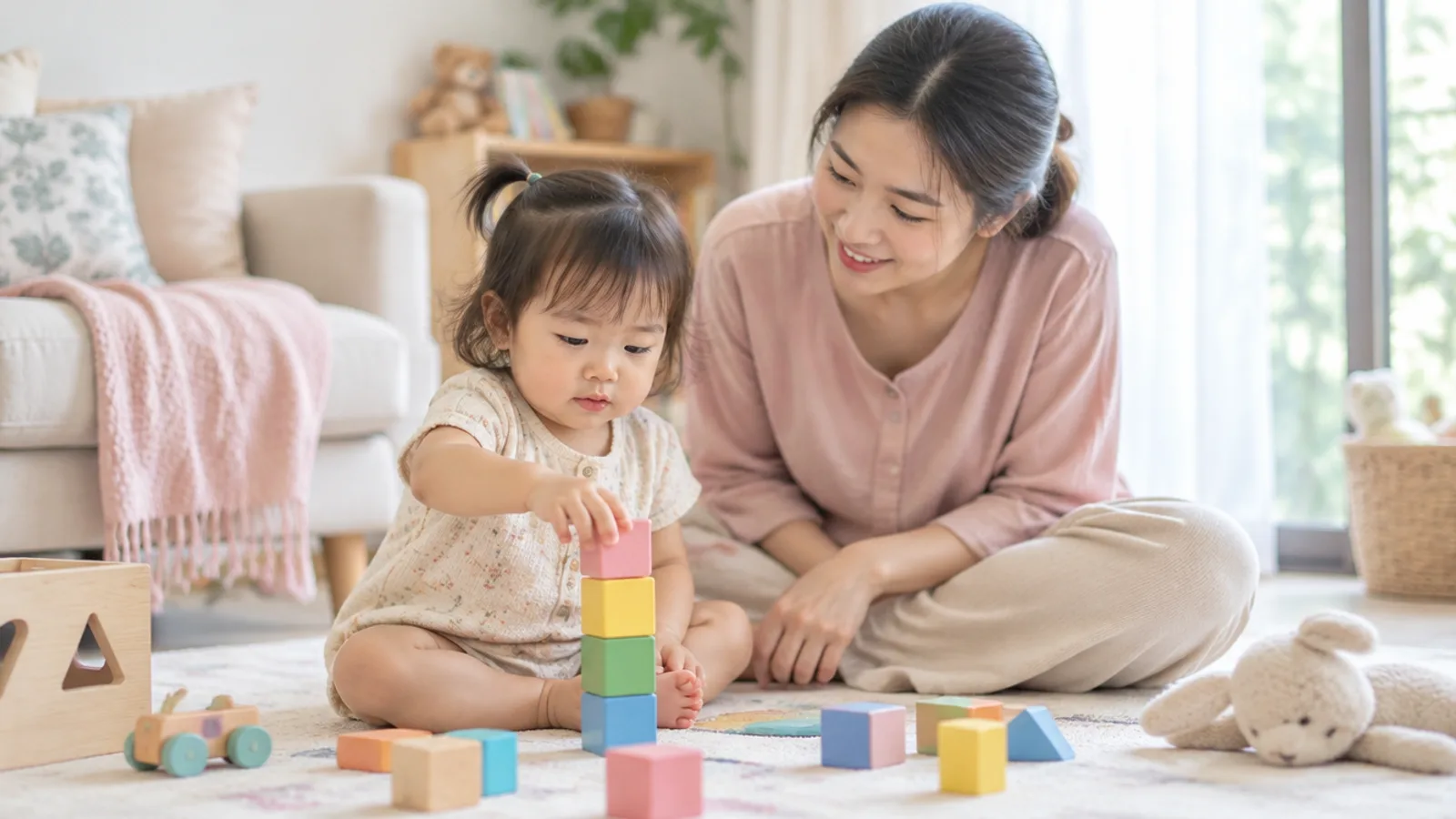
As your child grows, development is an important area for parents to observe closely. Developmental difficulties may have several causes, including environmental factors, genetics, or factors related to caregiving.
What causes developmental delays?
A developmental delay means a child acquires skills noticeably later than most children of the same age. It may affect one area or several. Possible causes include premature birth or low birth weight, genetic or chromosomal conditions, hearing or vision problems, neurological and muscular conditions, autism, malnutrition, and too little stimulation through play and conversation. In many cases, no clear cause is identified.
Developmental milestones to know
Children develop at somewhat different rates. This table summarizes skills most children can perform at each age, based on milestones from the CDC (US Centers for Disease Control and Prevention). If your child has not acquired a skill by the age shown, consult a doctor. In Thailand, parents can also track development using the Ministry of Public Health's Developmental Surveillance and Promotion Manual (DSPM) in the Maternal and Child Health Handbook, known as the pink book.
| Age | Skills most children can perform |
|---|---|
| 2 months | Smiles when someone talks to them; holds their head up while lying on their tummy. |
| 4 months | Holds their head steady when being held; coos; brings their hands to their mouth. |
| 6 months | Rolls from tummy to back; laughs out loud. |
| 9 months | Sits without support; makes repeated sounds such as "mamama"; turns when their name is called. |
| 12 months | Pulls up to stand and walks while holding on to support; waves goodbye; says "mama" or "dada." |
| 18 months | Walks independently; says at least 3 meaningful words. |
| 2 years | Runs; kicks a ball; combines 2 words, such as "drink milk." |
| 3 years | Has short back-and-forth conversations; shows interest in other children and joins their play. |
Important: If your child loses a skill they previously had (developmental regression) at any age, does not make eye contact, or does not turn toward sounds, see a pediatrician promptly. Early identification and developmental support lead to better outcomes.
5 signs your child may have a developmental delay
1. Movement
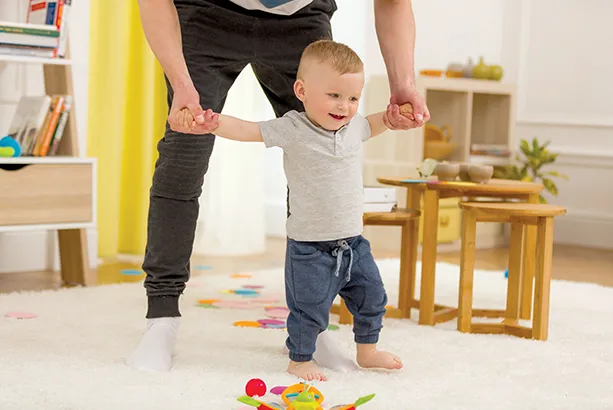
Slow movement or moving only for short periods may indicate factors affecting development, such as muscular or neurological problems. Attentive support and sensory activities may help your child's movement development. Read more about when babies can sit and activities for fine motor development.
Movement:
| Signs of delayed movement may include: | Possible causes: |
|---|---|
| Your child cannot get into a sitting position at the expected age. | Related muscular or neurological problems. |
| Your child moves only for short periods. | Delayed sensory development. |
| Your child's movements differ from those of other children of the same age. | Muscular or neurological problems affecting movement control. |
Delayed movement may result from physical and environmental factors affecting your child, such as neurological problems. Physical developmental activities may help your child develop their movement abilities fully.
Recommended: Which Developmental Toys Are Best for a 1-Year-Old? Supporting Big Steps in Development
2. Speech

Speech is how we communicate with others. A child with developmental delays may have difficulty speaking or may speak unclearly. They may also struggle to understand spoken words or answer questions correctly at the level expected for their age.
Delayed or unclear speech may have several causes, including hearing problems, delayed cognitive or social development, autism, or too few opportunities to listen and talk with adults. Children with delayed speech should therefore have their hearing checked. These difficulties may sometimes affect a child's ability to understand language or instructions, making it harder to learn and remember words or communicate accurately.
Ways to encourage speech development
- Support speech by encouraging your child to read books or listen to stories that are engaging and suitable for their age.
- Give your child as many opportunities as possible to listen and speak.
- Create experiences involving speech, such as imaginative play or imitating other children's speech.
Talking with your child often, reading stories aloud every day, and responding when they make sounds or point are simple ways to encourage language development. Find more ideas in 7 Ways to Encourage Your Child to Talk.
3. Play and interests
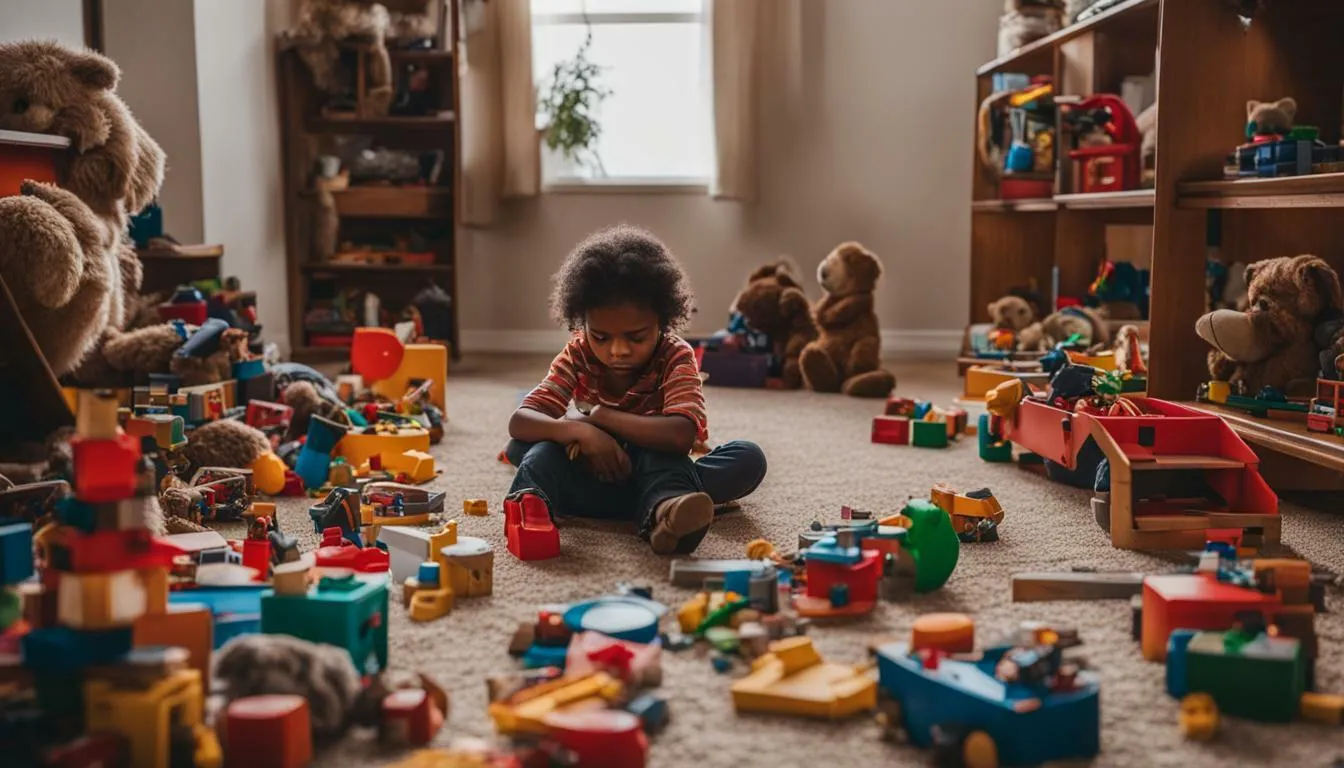
Play is important for your child's development because it helps them learn and succeed in different activities. If your child has a developmental delay, offer varied opportunities to play and help them explore the available choices. For example, you can provide age-appropriate toys or show them how to play with them.
You should also create an environment that encourages interest in a variety of things. For example, visit a zoo or take a walk in a park to make learning enjoyable and motivating.
If your child shows no interest in play or has difficulty learning new things, consult a doctor or specialist for guidance and appropriate care to support their development.
Recommended: Which Toys Support Your Child's Development at Each Age?
4. Communication

Communication difficulties are another sign that your child may struggle to understand questions or answer them correctly. Communication plays an important role in helping children learn and reach developmental milestones. If you notice communication difficulties, you can use the following approaches to help build your child's communication skills:
- Use simple, easy-to-understand language when talking with your child.
- Use hand signs and pointing gestures to help your child learn.
- Give your child opportunities to join activities that involve communication, such as storytelling or games that require communicating with others.
Good communication helps your child learn and grow to their full potential. Continue paying attention to and supporting your child's communication development.
5. Behavioral problems
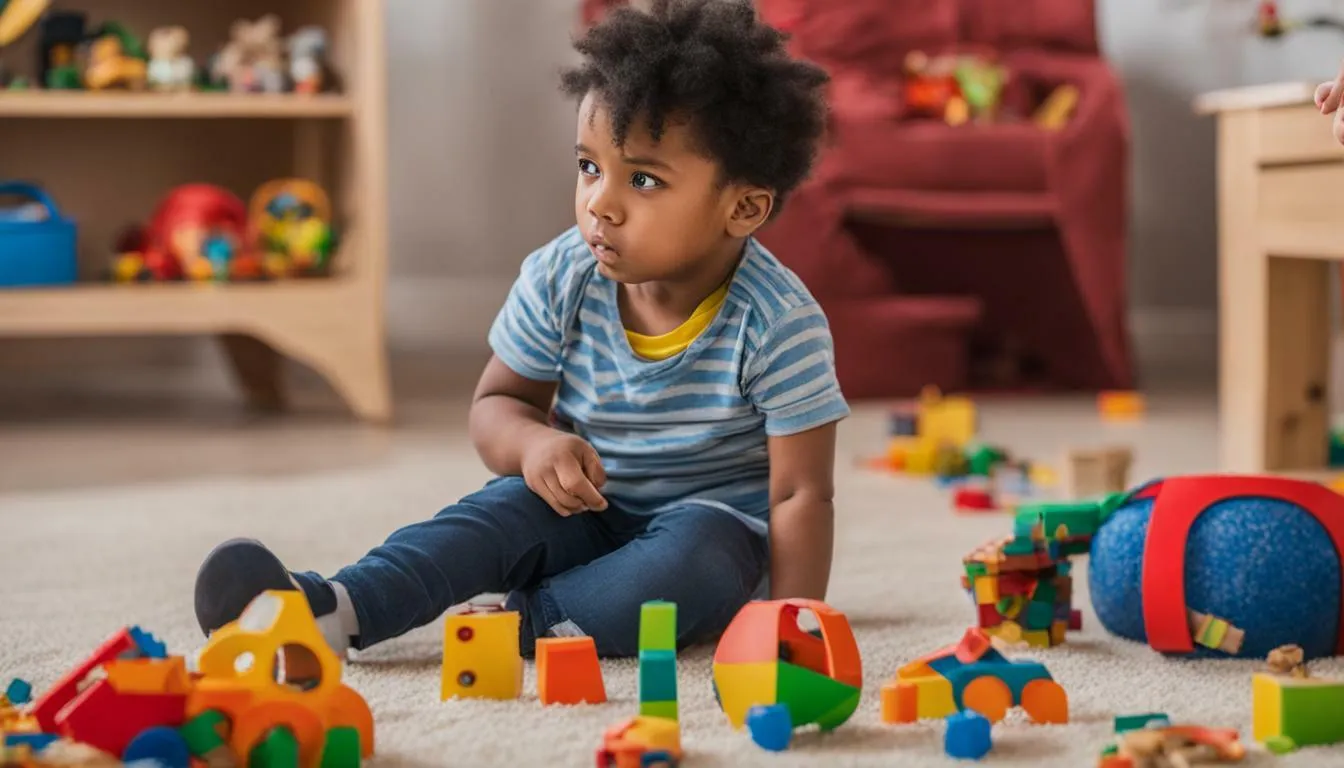
Behavioral difficulties may appear in different ways, such as self-harming behavior or difficulty behaving in ways typical of other children of the same age.
Behavioral problems may have several causes, including an unsuitable environment, caregiving that does not match your child's needs, or psychological conditions affecting their behavior.
If you notice inappropriate behavior, consult a doctor or relevant specialist for guidance and suitable care. They can assess your child's behavior and investigate possible causes, such as psychological or environmental factors, and may recommend appropriate behavior changes.
Addressing behavioral problems in a child with developmental delays should focus on creating a suitable environment, providing consistent love and attention, and working steadily to change inappropriate behavior.
What should you do if your child has a developmental delay?
1. Family support

Family plays an important role in supporting your child's development and helping them reach their full potential. The quality of family relationships significantly affects your child's learning and development. Positive family relationships create a suitable environment for physical, emotional, cognitive, and social development.
Family support can include playing games together, reading aloud, or telling stories to encourage language, communication, and creativity.
Above all, provide consistent love and attention, create opportunities for your child to learn and observe their surroundings, and fully support their development.
2. Consulting a doctor

If you notice a developmental delay, consulting a doctor is an important step toward diagnosis and advice on suitable treatment for your child. A specialist will use appropriate assessment methods and tools to identify the cause of the delay and recommend treatment.
Consulting a doctor also gives you more information about caring for your child at home and developmental activities that can help them reach their full potential. The doctor may recommend suitable caregiving approaches and ways to create an environment that supports learning and development.
Do not hesitate to consult a doctor if you are concerned about your child's development. Medical guidance can help you feel more confident and better understand your child's situation.
3. Support from teachers and caregivers
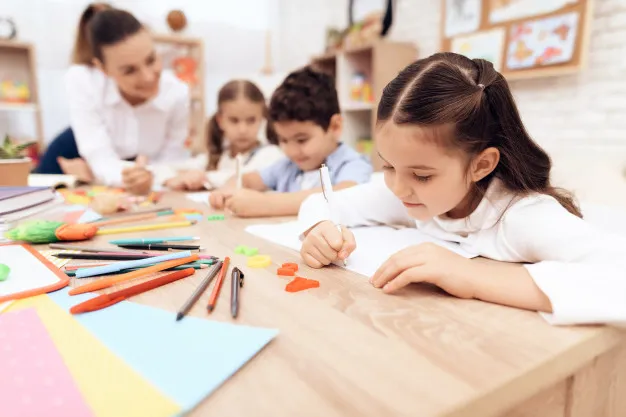
Teachers and caregivers play an important role in supporting your child's development through learning. Guidance and supervision at each stage help your child reach their full potential. Teaching and advice should therefore match your child's abilities and developmental level.
Teachers and caregivers should create an enjoyable, engaging learning environment, using tools that are easy to understand and appropriately integrated to help children learn effectively.
They can also build understanding and cooperation between your child and their classmates. For example, small groups give your child opportunities to work with classmates and learn from other people's ideas and experiences.
| Ways teachers and caregivers can support learning for a child with developmental delays |
|---|
| 1. Provide learning guidance and supervision suited to the child. |
| 2. Create an engaging and enjoyable learning environment. |
| 3. Build understanding and cooperation between the child and their classmates. |
With appropriate support from teachers and caregivers, your child can learn and develop to their full potential. This support deserves attention throughout your child's learning and development.
Developmental activities
Developmental activities are an important way to help your child reach their full potential through attentive support and a suitable environment. You can also use age-appropriate techniques and activities to encourage learning and build different skills.
Techniques for supporting development
To help your child reach their full potential, use techniques suited to the skills or abilities you want to develop. Examples include thinking games that encourage creativity or group activities focused on teamwork to build skills in working with others.
Activities for supporting development
Other useful activities include reading books with simple, engaging stories and playing with toys that require focus and attention to encourage problem-solving and creativity. Movement activities, such as dancing, sports, or active games, can help develop and strengthen muscles and the nervous system.
Developmental activities are an important part of helping your child reach their full potential. Give your child attentive support as they learn and build skills, using techniques and activities suited to their age and needs.
| Techniques for supporting development | Activities for supporting development |
|---|---|
| Providing attention and support | Reading engaging books |
| Using appropriate techniques | Playing with toys that require focus and attention |
| Movement activities | Dancing, sports, or active games |

Conclusion
Developmental delays in children may have several causes, including environmental factors, genetics, or other factors affecting growth. If you notice a delay, consult a specialist for diagnosis and advice on suitable treatment.
Delayed movement, delayed speech, lack of interest in play and learning, communication difficulties, and behavioral problems can indicate developmental delays. If your child has a delay, provide attentive support and opportunities to develop their skills fully.
Families, teachers, and caregivers also play important roles in supporting development. Provide consistent love and attention, along with guidance and supervision during learning, to help your child reach their full potential.