






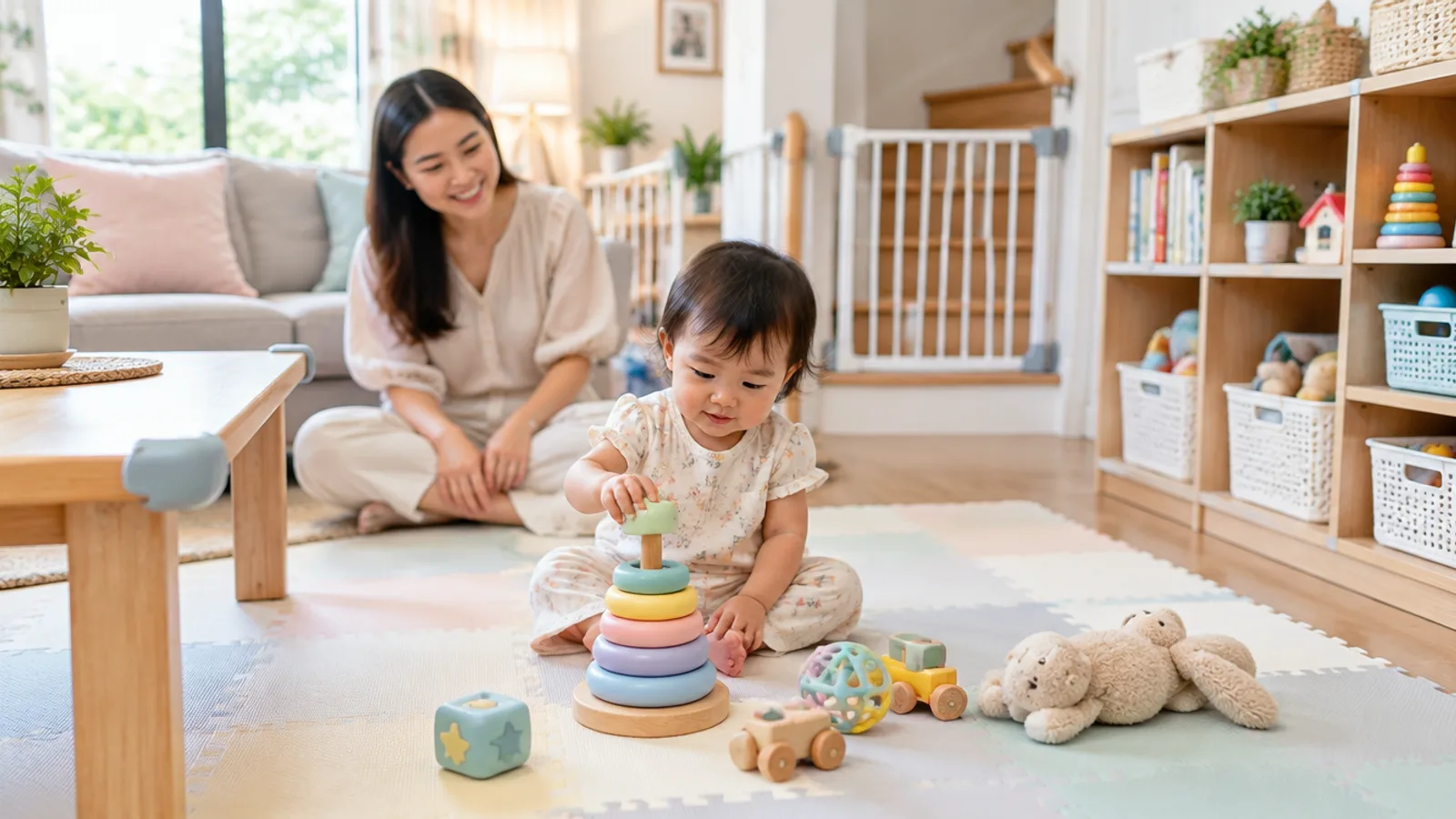
Recommended: Preparing a Newborn's Bedroom: How to Arrange It and What You Need

How Should You Organize Your Home?
1. Keep Dangerous Items Out of Reach
To prevent accidents involving hazardous items, store them in high cupboards, install cupboard locks or use locked cabinets and boxes, choose safe materials, keep hot objects safely positioned, build understanding within the family and teach children about hazards. These measures reduce risks and make the home safer. In particular, keep medicines, vitamins, cleaning products, button batteries, small magnets, plastic bags and small objects that could be swallowed or choked on out of reach (read about first aid for a choking child).
Important: If a child swallows medicine, chemicals or a button battery, do not put fingers down their throat or induce vomiting. Call 1669, Thailand's emergency medical number, or the Ramathibodi Poison Center at 1367 promptly, and bring the packaging.
2. Choose Safe Furniture and Equipment
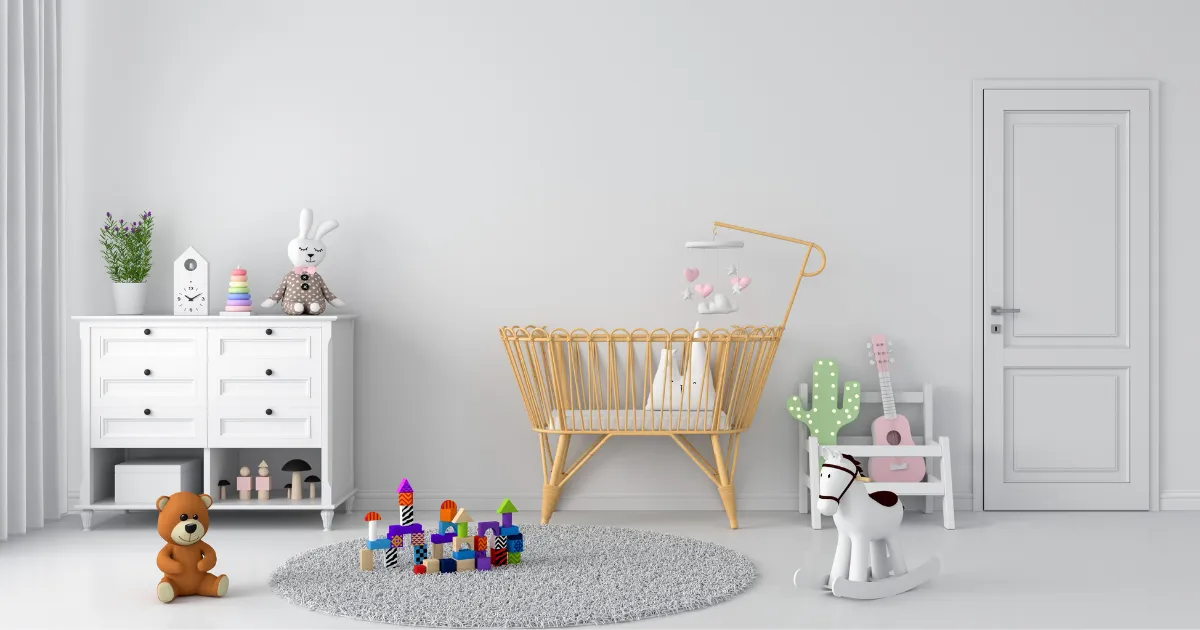
When organizing a child-safe home, choosing furniture and equipment that do not endanger young children is important. These choices help children learn and grow in a safe, suitable environment.
Choose furniture with rounded edges or fit corner cushions to tables. Anchor cupboards, shelves and televisions to the wall so they cannot fall onto a climbing or pulling child. Keep toys on low shelves children can reach without climbing, and use a play mat in the play area to cushion falls.
3. Pay Attention to Stair Safety
If a child's bedroom is upstairs, careful supervision on stairs is important. Non-slip stair surfaces, secure handrails, stair lighting or markings, stair gates and fall-protection equipment help prevent accidents effectively.

4. Secure Electrical Cords and Devices
Keeping cords and electrical devices safely out of reach helps prevent accidents and creates a safer home. Alongside tape, cable clips and organizers, the following approaches can improve storage:
Silicone tape or cable clips: Bundle cords together and control their length easily.
Cable storage boxes: Use covered boxes to protect cords and prevent children from handling them.
Cable organizers: Use devices to separate cords and prevent contamination.
Cable routing: Install routing to stop cords coming loose and maintain a safe environment.
Cable fasteners: Help prevent cords from coming loose or overlapping.
Cable conduits: Run cords through conduits to prevent children from handling them and reduce accident risks.
Inspection: Check cords regularly and replace damaged ones immediately.
Child-safe sockets: Use socket covers or shuttered outlets to prevent children inserting fingers or objects.
Safe cord and electrical-device storage reduces electrical accident risks and makes the home safer and more organized.
5. Watch Changes in Floor Level
To protect children in homes with different floor levels, use measures such as impact-cushioning rugs, non-slip materials, handrails for balance, warning lighting, barriers and safety education. These help reduce accident risks and create a safer home environment.
6. Make Doors and Windows Safe
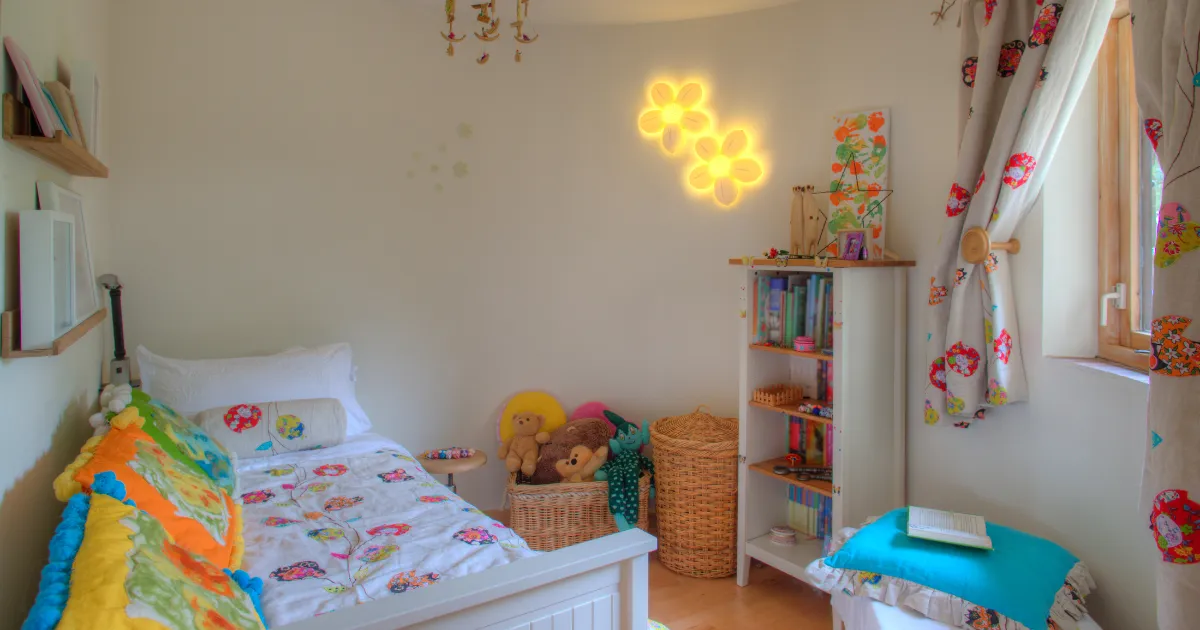
To improve door and window safety, install door guards and locks, choose sturdy windows that do not break easily, lock windows and limit access to them. Do not place beds, sofas or chairs beneath windows where children can climb. Fit guards or restrictors so windows open no more than around 10 centimeters. Keep curtain and blind cords high out of reach because of strangulation risk, and teach children about safety. These measures help prevent accidents and make the home safer.
7. Clean Your Home Regularly
For children's safety and health, clean household areas regularly, including floors, air systems, drainage systems and bathrooms.
Keeping toys tidy and walkways clear, and choosing a vacuum cleaner or air purifier with a dust filter, can reduce risks from accidents, dust and infectious disease. An orderly home creates a suitable, safe setting for learning and play.
8. Choose Products Without Hazardous Chemicals
To protect curious children, choose equipment and supplies without chemicals that pose health risks. Examples include safer cleaning products, toys made from safe materials, safe clothing and bedding, safe food and seasonings, bathroom products without hazardous chemicals and safe travel equipment. Careful product choices reduce the risk of children taking in harmful chemicals during play.
9. Provide Suitable Indoor Lighting
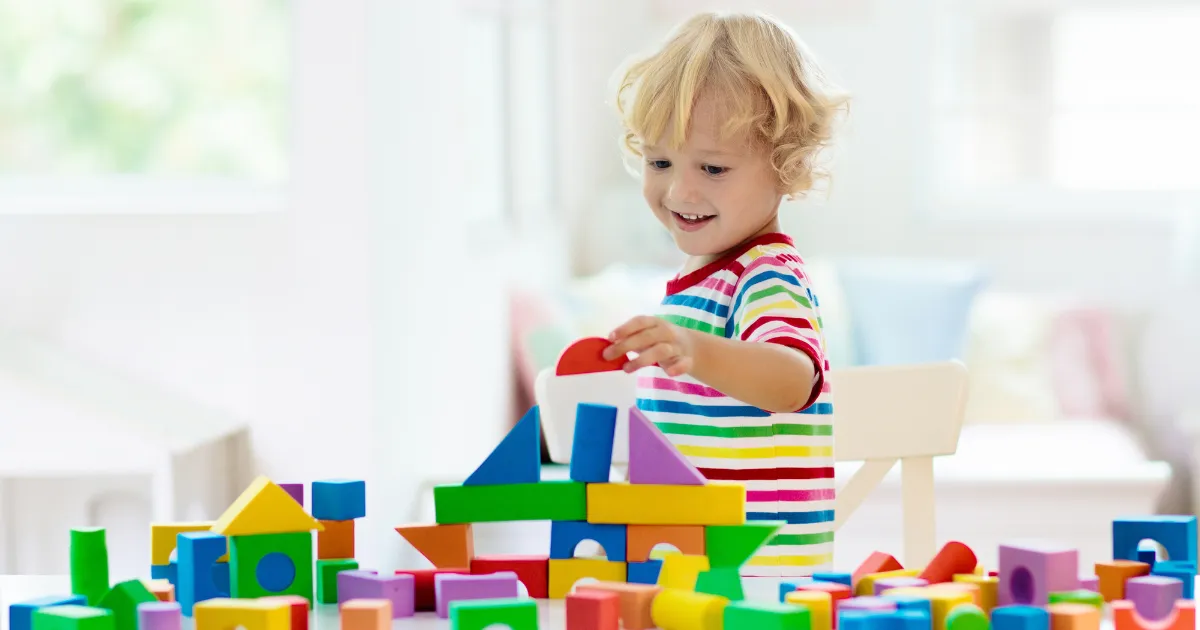
Adequate indoor lighting is important for children's growth and development. Make good use of natural light, choose gentle LED lighting and consider decorative lights or appealing lamps in the playroom.
Use thick curtains or blackout blinds in the bedroom to control light when your child needs to sleep. Dimmable bedside lamps and enough playroom lighting are also helpful. These choices support visual comfort, safety and enjoyment at home.
10. Pay Attention to Beds and Cots
For babies who cannot protect themselves, beds and cots can pose hazards. To prevent falls, choose a cot or baby bed with a stable structure and protective sides all around.
Protective rails also help prevent falls. They should be high enough that a child cannot climb over them. Lower the mattress when your baby begins sitting or pulling up to stand. Gaps between bars must be narrow enough that a child's head cannot pass through; international standards specify no more than around 6 centimeters. Choose a firm mattress that fits the cot.
The American Academy of Pediatrics (AAP) recommends room sharing on a separate sleep surface, with a cot or baby bed near the parents' bed for at least the first 6 months. This makes care and nighttime feeding convenient and reduces SIDS risk. Babies should not share the parents' bed because of risks of being overlaid or suffocating against pillows or blankets. Place babies on their backs on a firm mattress without pillows, blankets, soft toys or cot bumpers. Read more about things to avoid while babies sleep.
Choosing a bed or cot with high safety standards, fitting rails correctly and observing your child are important in preventing accidents.
Recommended: How to Choose a Newborn Bed That Offers Good Value
Conclusion
This article covers ways to make a home organized and safe for young children: keep dangerous items out of reach, choose and anchor furniture, secure stairs, cords and sockets, watch floor-level changes, protect doors and windows, clean regularly, avoid hazardous chemicals, arrange suitable lighting and choose a safety-standard cot. Babies should share the parents' room on a separate sleep surface. Find more home-safety guidance at HealthyChildren.org. These steps help create a suitable, safe environment for your child to grow.